[pageLogInLogOut]

#Composites

Exciting prospects for composites
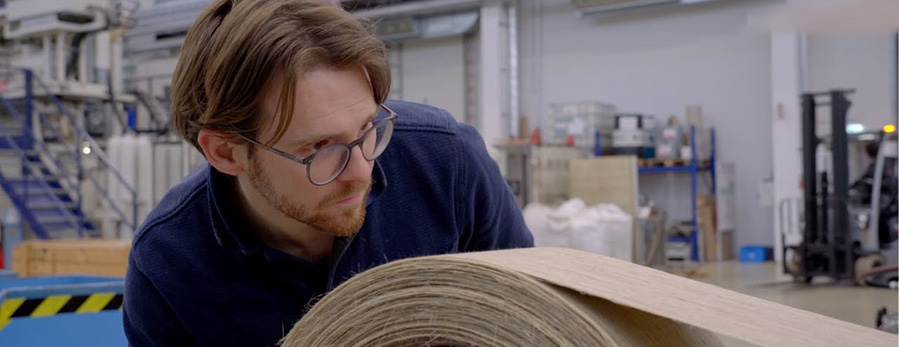
(c) 2024 FUSE - Lovis Kneisel, CEO of FUSE
Interview with Lovis Kneisel, CEO of FUSE, about an alpine ski made from hemp-based composites

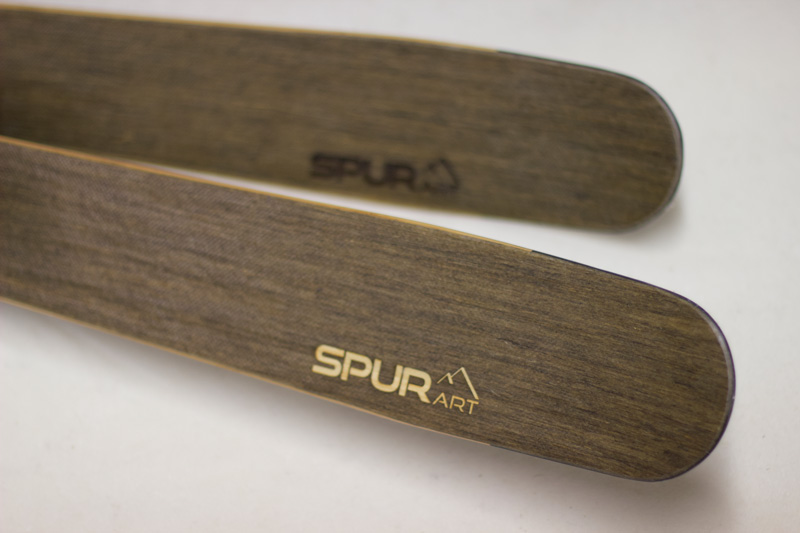
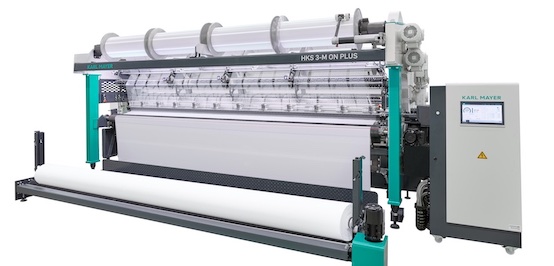
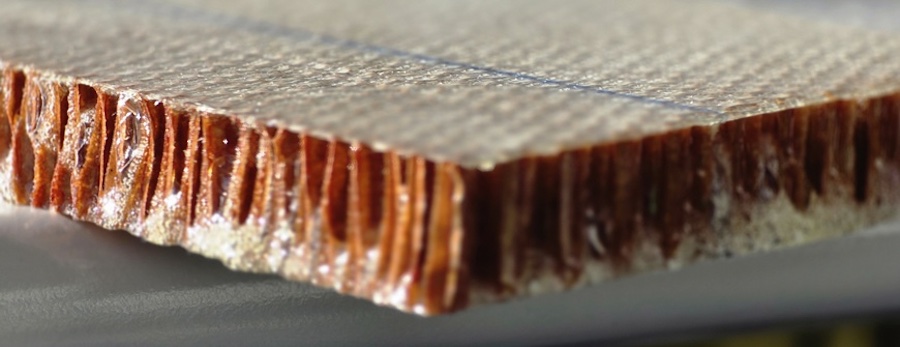
FUSE is one of the main players in a current project to develop an alpine ski with an overall more sustainable and ecological production process than before. Specifically, the CO2 footprint is to be significantly reduced. To achieve this, the value chain is to be converted to a circular economy and production is to be switched to processing the renewable raw material hemp in composite production. FUSE is working together with KARL MAYER Technische Textilien on the latter task.

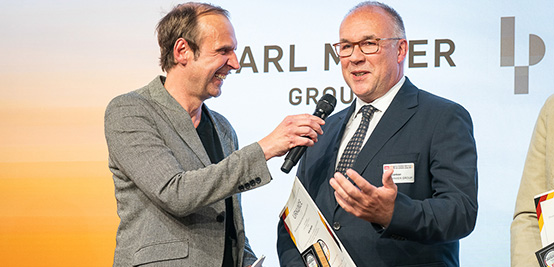
Ulrike Schlenker from Corporate Communication team at the KARL MAYER GROUP spoke to Lovis Kneisel, Managing Director of FUSE GmbH, about the background and expectations surrounding the project.

US: Why did you choose to build an alpine ski for the joint project?

LK: We had already been working on the development of adapted semi-finished products for biocomposite products in various market sectors for some time before the start of the project. Alpine sports is an industry that is fundamentally very open to innovations in the field of sustainability and, due to the many small players, provides rapid feedback on the suitability of new material systems and process approaches. Alpine skiing as such is an enormously exciting product, as the focus here is very much on performance. In close cooperation with SPURart in particular, our team has succeeded in substituting 100% of the glass fiber used and still developing an extremely high-performance ski. Even the SPURart pros are impressed by this innovation both on and off the slope.

US: Flax fibers are already being processed in the composites sector. What fascinates you about hemp? Are there any concrete figures on the benefits of this natural fiber in terms of environmental impact?

LK: Flax and hemp are largely related in terms of their performance in composite materials. The advantage of hemp over flax lies in its ecology, but also in its economy. Unlike flax, hemp can be grown completely without chemical pesticides and is also available in good quality outside Belgium and France. As we consistently rely on secondary fibers - the so-called value fibers - for our semi-finished products, we are not in the usual procurement competition with the clothing industry for flax long fibers and can therefore pass on a very attractive cost structure to our customers.

US: What are the main advantages of using natural fiber tapes compared to natural fiber yarns in terms of the process chain and impregnation behavior?

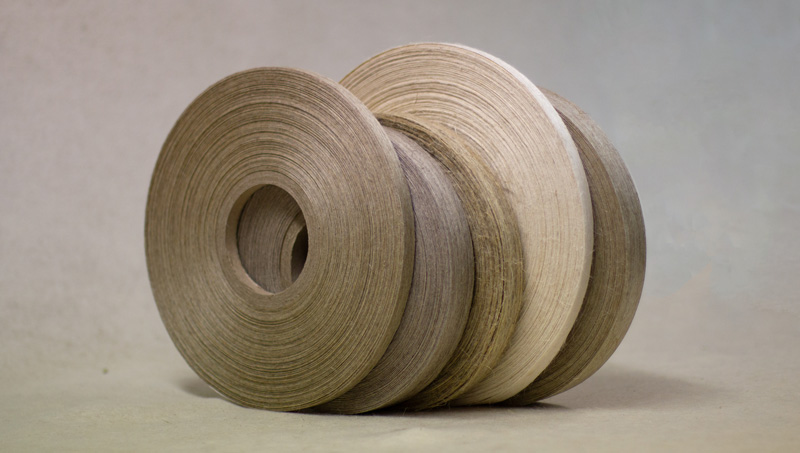
LK: The tapes are produced directly from the fiber as a flat structure, which saves the entire spinning process and also parts of the subsequent surface formation. The advantage of this is an essentially streamlined process.

US: What impact do you expect the project to have? What potential is there for the composites industry in other market segments? In your opinion, what other applications are possible apart from sports and automotive?

LK: Natural fiber composites can be used in many different areas of application. The focus is not only on mobility or sports applications. They also offer advantages when used in load-bearing components in the building and construction sector or in the logistics sector. We are currently working together with a Swiss start-up to develop a circular Euro pallet.

US: How can natural fiber-based composites be paved the way for widespread applications? What challenges are there?

LK: The industry's interest in bio-based materials is very high and growing rapidly in light of the urgent need to decarbonize the industry. Biogenic raw materials in general, and fibers in particular due to their high performance requirements, are growth-dependent in terms of their qualitative and quantitative character. The main challenges are therefore always the reliable provision of high-quality and homogeneous materials and the continuous reduction of supply costs for industrial semi-finished products.

US: Let's talk about the cooperation with KARL MAYER Technische Textilien. How long have you been working with this partner in the composites industry and what do you value about them?

LK: The cooperation with KARL MAYER developed in the course of initial preliminary investigations for the HempSki project described above and has been steadily expanded since then. We value the company for its innovative spirit and its constant willingness to try out new things.

US: Thank you very much for this interesting interview.
(c) 2024 FUSE
(c) 2024 FUSE


(c) 2024 FUSE
(c) 2024 FUSE


More News from Karl Mayer Textilmaschinen AG

More News on Composites

#Composites

JEC World 2026 confirms its standing as the unmissable event for composites and their applications

JEC World 2026 confirms its position as the leading global event for the composite materials industry and its applications across multiple sectors, bringing together the entire composites ecosystem in Paris for three days of business, innovation, and collaboration. True to its Pushing the Limits motto, the 2026 edition delivered outstanding results despite travel disruptions worldwide. The numbers speak for themselves: more than 1,400 exhibitors from over 50 countries, including over 150 first-timers, presented a global panorama of products, equipment, and services across the entire composites value chain.

#Composites

KARL MAYER strengthens partnerships in the composites industry at JEC World 2026

KARL MAYER further strengthened its role as a reliable and competent partner to the composites industry at JEC World 2026. The global market leader in textile machinery manufacturing used the trade show to meet key customers, establish numerous new contacts, and engage in in-depth technical discussions.

#Composites

Kordsa showcases its global expertise in material technologies at JEC World 2026

Kordsa, a subsidiary of Sabancı Holding, shared its global expertise in material technologies with participants at JEC World 2026, held in Paris. The company’s solutions developed for a wide range of industries—particularly aviation, energy, and automotive—stood out among its key innovations at the exhibition. Throughout the event, Kordsa also presented its vision for sustainable growth and its strategic transformation in composite technologies to international stakeholders.

#Composites

JEC Composites Startup Booster: 2026 winners announced

The leading global startup competition for composites and advanced materials has crowned its 2026 champions, ahead of a landmark 10th anniversary edition next year. The winners of the JEC Composites Startup Booster 2026 were announced on Wednesday, 11 March, at JEC World, recognizing the most promising emerging companies reshaping the future of composites and advanced materials.

Latest News

#Raw Materials

New study shows low environmental impact by Cotton made in Africa Organic Cotton from Tanzania

Today, the Aid by Trade Foundation (AbTF) is announcing the results of a comprehensive life-cycle analysis (LCA) for cotton produced in Tanzania under the Cotton made in Africa Organic (CmiA Organic) standard. The study emphasises the small ecological footprint of CmiA Organic verified cotton. This can largely be traced back to the absence of synthetic pesticides, artificial fertilisers, and artificial irrigation. Consequently, CmiA Organic cotton can help the textile industry meet regulatory requirements as well as science-based targets. The results also show that the consequences of climate change threaten the livelihoods of these cotton farmers, even though the type of agriculture they practise barely contributes to climate change.

#Raw Materials

Better Cotton Initiative strengthens regenerative focus in standard update

The Better Cotton Initiative (BCI) has strengthened the regenerative focus of its field-level standard with the launch of a new version of its Principles & Criteria (P&C), which marks the next step in the organisation’s journey to becoming a regenerative standards system.

#Man-Made Fibers

Selenis and Kintra Fibers partner to scale 100% bio-based synthetic fiber technology

Selenis, a leading global specialty polyester manufacturer, today announced a strategic manufacturing partnership with materials science company Kintra Fibers to scale Kintra’s patented fiber-grade PBS resin - a 100% bio-based and biodegradable material designed for textile applications.

#Functional Fabrics

PERFORMANCE DAYS proves its relevance as the industry’s key meeting point

Held on March 18–19, 2026, PERFORMANCE DAYS once again confirmed its position as a leading international platform for functional textiles. A total of 3.366 trade visitors and around 560 exhibitors gathered in Munich, with the event already kicking off successfully on DAY 0, which received highly positive feedback for its interactive format. Despite challenging conditions caused by the public transport strike in Munich, the event saw strong attendance and a consistently high level of activity across both exhibition days.

TOP