[pageLogInLogOut]

#Europe

EU and Mercosur sign historic and ambitious partnership
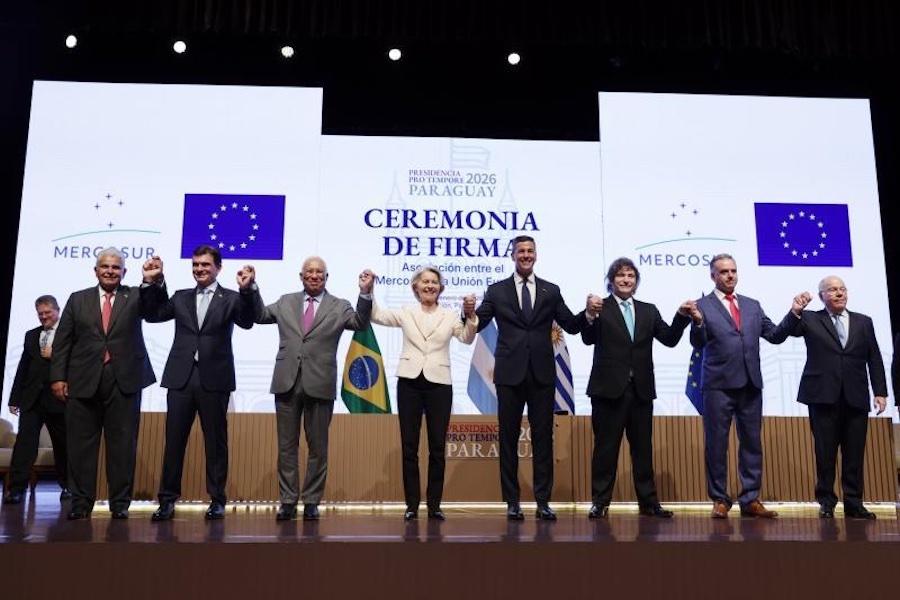
Today, the European Union and Mercosur signed a Partnership Agreement (EMPA) and an Interim Trade Agreement (iTA), representing a historic milestone between the two regions, and an ambitious platform for strengthening their economic, diplomatic and geopolitical relations.

The Agreement signed today will create one of the biggest trade zones in the world covering a market of around 700 million consumers. The Agreement will deliver substantial new commercial opportunities for companies across the EU, driving an estimated 39% increase in annual exports to Mercosur (a value of approximately €49 billion), while supporting hundreds of thousands of EU jobs.

The Agreement also sends a strong geopolitical signal, demonstrating the EU and Mercosur's shared commitment to multilateralism and the rules-based international order. At a time of global uncertainty and increasing fragmentation, this agreement underlines the value of cooperation, dialogue and international partnerships. The agreement presents significant opportunities for mutual gain through strengthened economic, geopolitical, sustainability, and security cooperation.

President of the European Commission Ursula von der Leyen, President of the European Council Antonio Costa, and leaders from Mercosur countries witnessed the signing of the EU-Mercosur Partnership Agreement (EMPA) and the EU-Mercosur Interim Trade Agreement by EU Trade Commissioner Maroš Šefčovič and his Mercosur counterparts. 

European Commission President, Ursula von der Leyen, said: “Today, two like-minded regions open a new chapter of opportunity for more than 700 million citizens. With this win-win partnership, we both stand to gain – economically, diplomatically and geopolitically. Our companies will create exports, growth and jobs. We will support each other in our clean and digital transitions. And our signal to the rest of the world is clear: the EU and Mercosur are choosing cooperation over competition, and partnership over polarisation.”

Fewer duties, more exports

The Agreement will create a wide range of economic opportunities in the EU by:

  • Removing tariffs on EU exports, including agri-food and key industrial products such as cars, machinery, and pharmaceuticals, saving EU businesses €4 billion worth of duties per year;
  • Making it easier, quicker and safer to invest in key supply chains, including critical raw materials and related goods;
  • Strengthening economic security and supporting the digital and green transitions on both sides;
  • Helping the EU and Mercosur to shape global trade rules in line with the highest EU standards.

A balanced deal for EU agriculture

The Agreement will open unprecedented access to the Mercosur region for European farmers and food producers. The deal is expected to increase EU agri-food exports to Mercosur by up to 50% by:

  • Reducing tariffs on key EU agri-food products, such as wine, spirits, dairy, and olive oil;
  • Protecting 344 EU Geographical Indications, high-value traditional food and drink products, from unfair competition and imitation.

At the same time, the EU has taken great care to ensure that sensitive agri-food sectors benefit from every necessary protection, thanks to the following measures:

  • Carefully calibrated tariff rate quotas that limit market access of sensitive products imported from Mercosur;
  • A legally binding safeguard mechanism that protects sensitive European products in case of a surge in imports from Mercosur countries;
  • Enhanced controls preventing non-compliant products from entering the EU market, including more audits and checks in third countries, and strengthened controls at EU borders;
  • Taking actions by the Commission to operationalise the commitment in the EU's Vision for Agriculture and Food, for a stronger alignment of production standards, such as pesticides and animal welfare, applied to imported products; and
  • A €6.3 billion fund, the Unity Safety net as from 2028, as an additional layer of protection for our farmers in case of market disturbances.

Sustainability and environmental commitments

The Agreement is one of the most ambitious deals ever signed by the EU in terms of sustainable development, as it features:

  • Ambitious and enforceable commitments on climate action, including the Paris Agreement as an essential element;
  • Concrete commitments on sustainable development, including on women's economic empowerment and labour rights;
  • A pledge to work towards climate neutrality by 2050; and
  • A clear contribution for trade to the green transition.


Next steps

Following the signature of the EMPA, the EU and Mercosur will now follow their respective procedures to work towards the ratification of the Agreement.

On the EU side, the EMPA will be subject to ratification by all Member States, following their national procedures. At the same time, the ITA will follow EU-only ratification process as it falls under EU exclusive competences. This will require the consent of the European Parliament and the adoption of a decision on the conclusion by the Council, after which it will enter into force.

The iTA will expire once the EMPA enters into force.


More News from European Commission

#Europe

New EU rules to stop the destruction of unsold clothes and shoes

The European Commission today (Feb 9) adopted new measures under the Ecodesign for Sustainable Products Regulation (ESPR) to prevent the destruction of unsold apparel, clothing, accessories and footwear.

#Europe

Commission adopts a first-ever EU Visa Strategy

Today, the European Commission is adopting its first-ever EU Visa Strategy. It sets out a framework for a visa policy that is more strategic and that advances the EU's long-term interests, allowing it to be better equipped for growing mobility as well as the consequences of regional instability and geopolitical competition.

#Europe

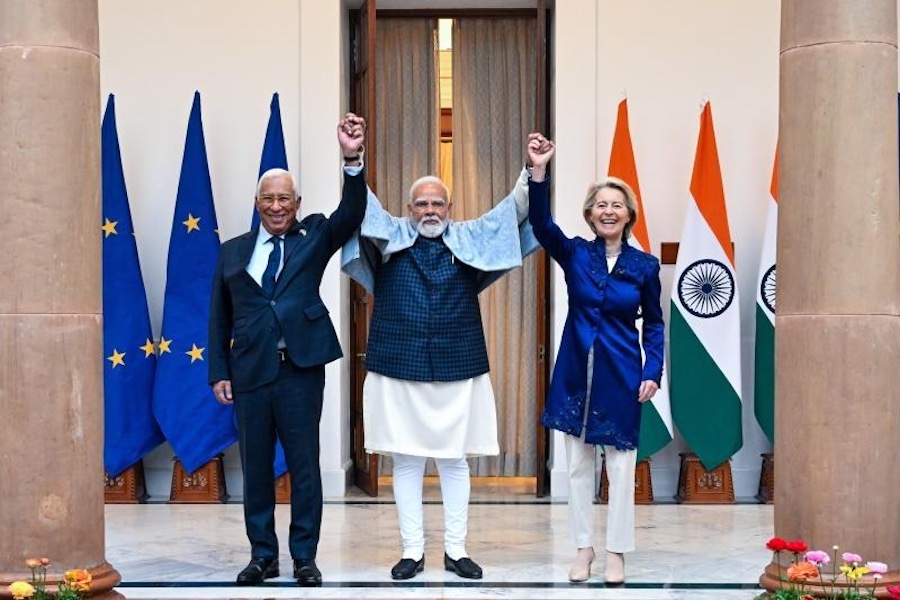
EU and India conclude landmark Free Trade Agreement

The EU and India concluded negotiations today for a historic, ambitious and commercially significant free trade agreement (FTA), the largest such deal ever concluded by either side. It will strengthen economic and political ties between the world's second and fourth largest economies, at a time of rising geopolitical tensions and global economic challenges, highlighting their joint commitment to economic openness and rules-based trade.

#Europe

EU aims to advance global clean transition and implementation of the Paris Agreement at UN's COP30

At the COP30 UN Climate Change Conference in Belém, Brazil, from 10-21 November, the European Union will reaffirm its strong commitment to climate action. The EU is dedicated to paving the way toward a global transition that is clean, fair, and resilient. This transition aims to provide clean and affordable energy, create business opportunities, stimulate growth, enhance industrial competitiveness, and leave no one behind.

More News on Europe

#Europe

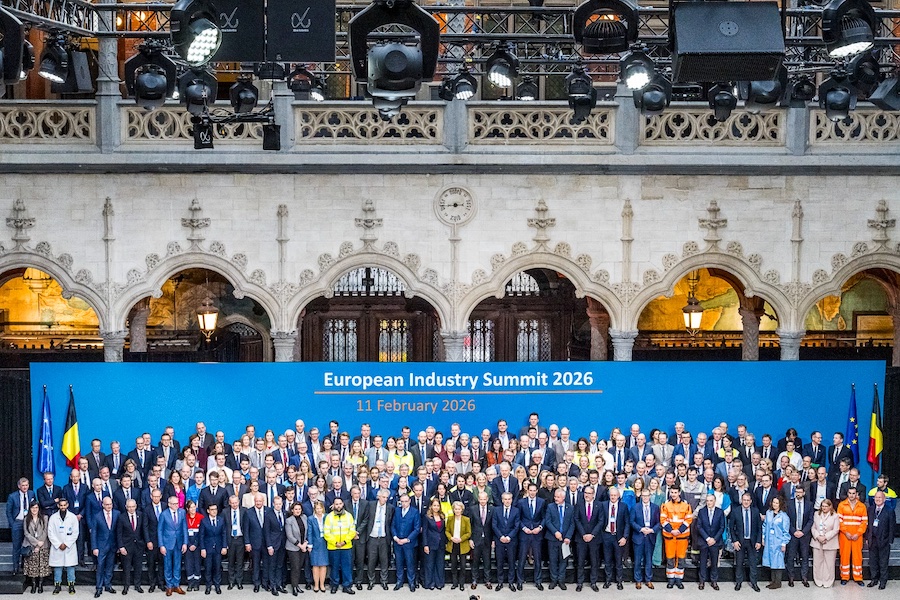
Antwerp Declaration community urges EU leaders to deliver emergency measures as Europe’s competitiveness crisis deepens

EURATEX, representing the European textile and fashion industry, joins the Antwerp Declaration Community’s call on EU Heads of State and Government to adopt emergency measures that restore industrial competitiveness and deliver tangible results for Europe’s manufacturing base in 2026.

#Europe

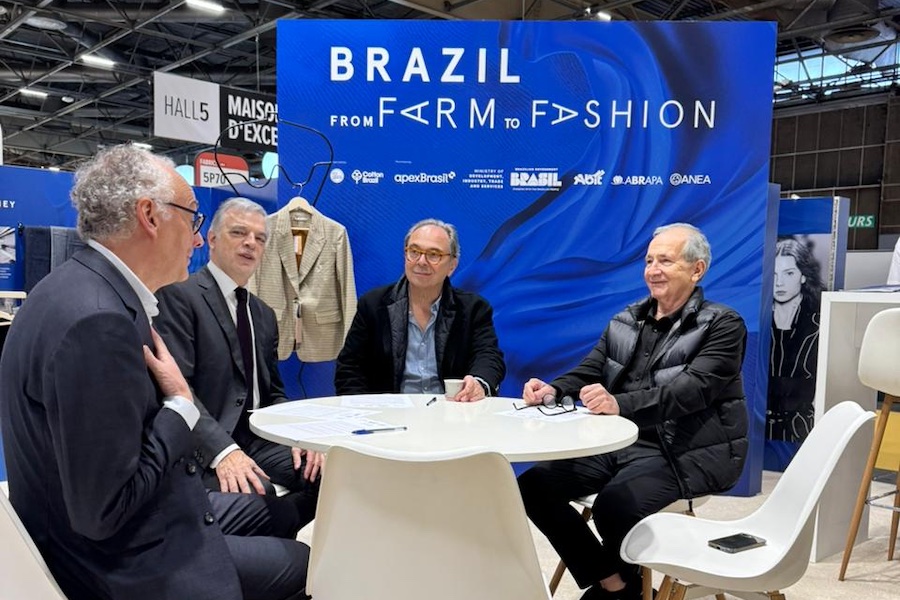
FITA, ABIT and EURATEX underline strategic importance of Mercosur – EU Partnership Agreement for the textile and apparel industry

The Argentine Textile Industry Federation (FITA), the Brazilian Textile and Apparel Industry Association (ABIT), and the European Apparel and Textile Confederation (EURATEX) continue to monitor the process of internalizing the Mercosur-European Union Partnership Agreement. This agreement is essential for the competitiveness of our industries, on both sides of the Atlantic.

#Europe

ICAC to support European Commission on pending PEF legislation

The International Cotton Advisory Committee (ICAC) is proud to announce that it has been included as a member of the European Commission’s Technical Advisory Board (TAB) on the Product Environmental Footprint methodology. The Commission developed the Product Environmental Footprint (PEF) to assess and communicate the life cycle environmental performance of products and organizations.

#Associations

Industry associations warn against state-run EPR models in the EU

European industry associations, led by Euratex, have raised concerns over a growing trend in several EU Member States to introduce state-run Producer Responsibility Organisations (PROs) within Extended Producer Responsibility (EPR) schemes.

Latest News

#Recycling / Circular Economy

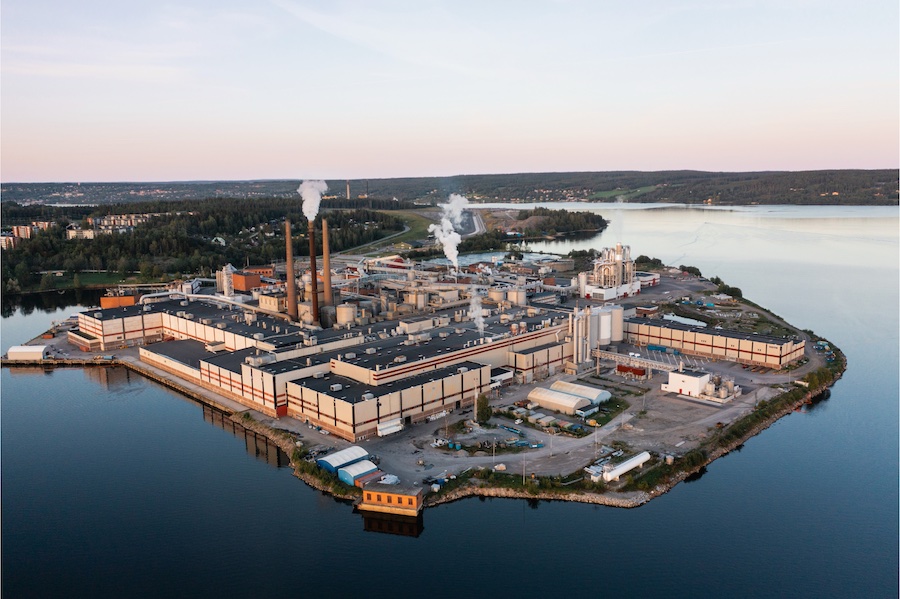
Circulose restarts commercial-scale production at Ortviken plant in Sundsvall

Circulose today announced the restart of its commercial-scale production plant at Ortviken in Sundsvall, Sweden, marking a significant step in scaling next-generation materials for the global fashion industry. The company plans to resume production of CIRCULOSE®, a recycled pulp made entirely from discarded cotton textiles, in the fourth quarter of 2026.

#Textiles & Apparel / Garment

VIATT 2026 to debut German Pavilion, strengthening European participation alongside key Asian textile hubs

Vietnam’s textile and garment sector continues to be a major contributor to the country’s economic growth, with export revenues expected to reach USD 46 billion in 2025, a 5.6% increase from 2024 . From 26 – 28 February, the Vietnam International Trade Fair for Apparel, Textiles and Textile Technologies (VIATT) is set to contribute to economic growth opportunities by accelerating digital transformation and green transition across the entire textile value chain. The upcoming edition will respond to the rising demand for advanced technologies and sustainable materials with the introduction of the German Pavilion, alongside strong exhibitor participation from key Asian sectors, as well as several high-profile fringe events.

#Sustainability

Ying McGuire becomes new CEO of Cascale

Cascale today announced the appointment of Ying McGuire as Chief Executive Officer, effective June 1, 2026.

#Technical Textiles

Sustainable, lightweight, and sound absorbing: Polyester-based front trunk solution for BEVs

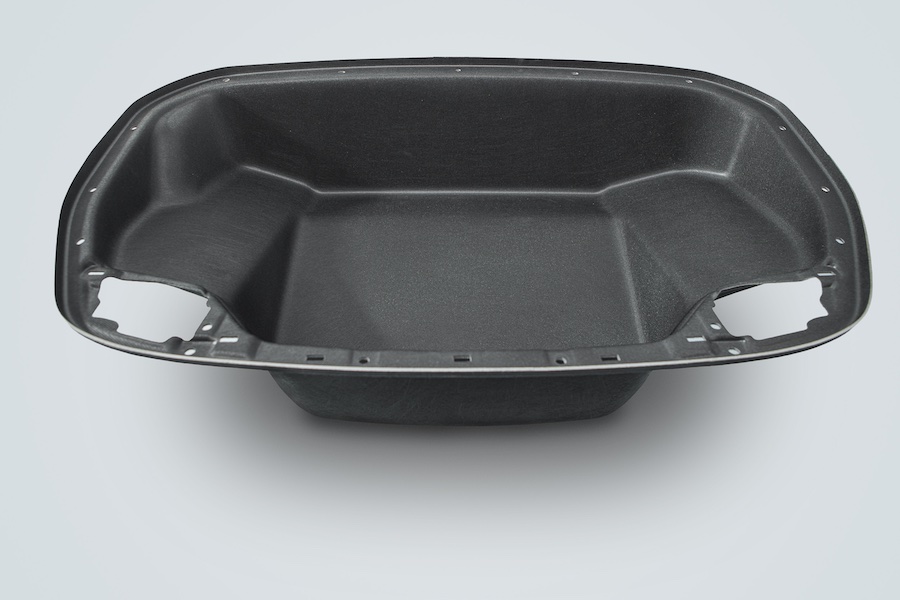
As car manufacturers look to further reduce their carbon footprint, Autoneum has developed an innovative front trunk solution for battery electric vehicles (BEVs), made entirely from polyester-based textile. The Ultra-Silent Frunk offers significant weight reduction, improved acoustic and thermal insulation, and uses up to 70 percent recycled material, supporting sustainable and efficient vehicle design. Autoneum, global technology leader in acoustic and thermal management for vehicles, has already received orders for the new frunk from three major OEMs in Asia and Europe to be built in three BEV models. Series production for two BEVs has been underway in China and Germany since last year.

TOP