[pageLogInLogOut]

#Natural Fibers

38th International Cotton Conference Bremen: Let´s Talk about Cotton!

Recycling: Fibre quality – how to measure it accurately
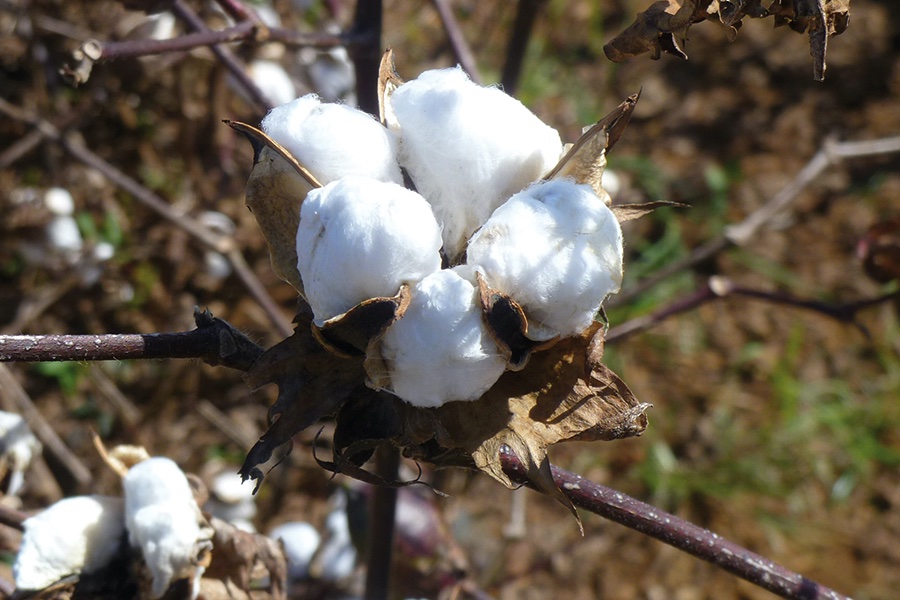
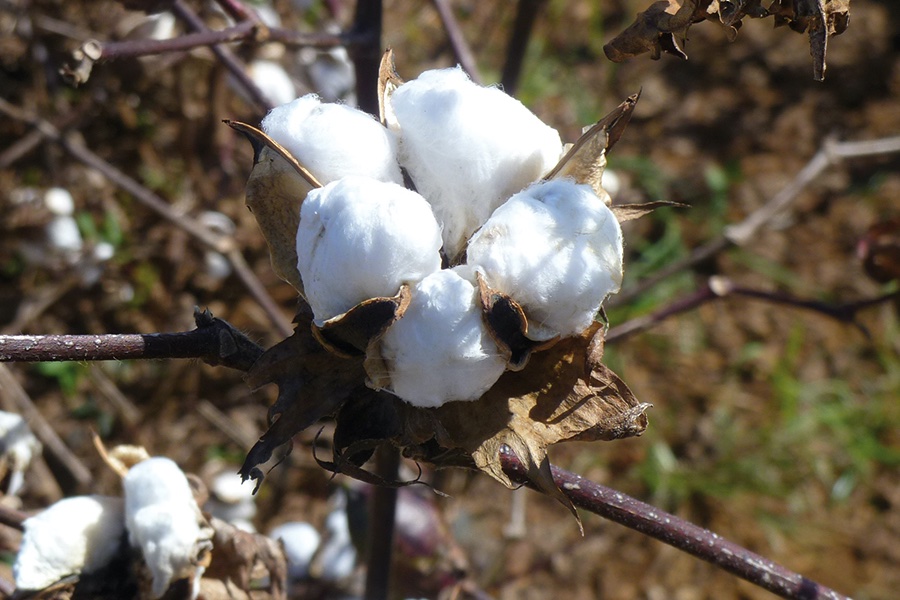
Cotton Boll Brazil © 2025 Bremen Cotton Exchange
The 38th International Cotton Conference Bremen, to be held on 25-27 March 2026 in Bremen’s parliament building on market square, once again sends a powerful signal for professional excellence and international dialogue. The focus is on the latest market trends and technical innovations throughout the entire value chain – from agriculture and quality assurance to processing and the circular economy. With its high-calibre speakers, the conference remains an indispensable forum for anyone involved in shaping the cotton industry scientifically, technically, or economically.


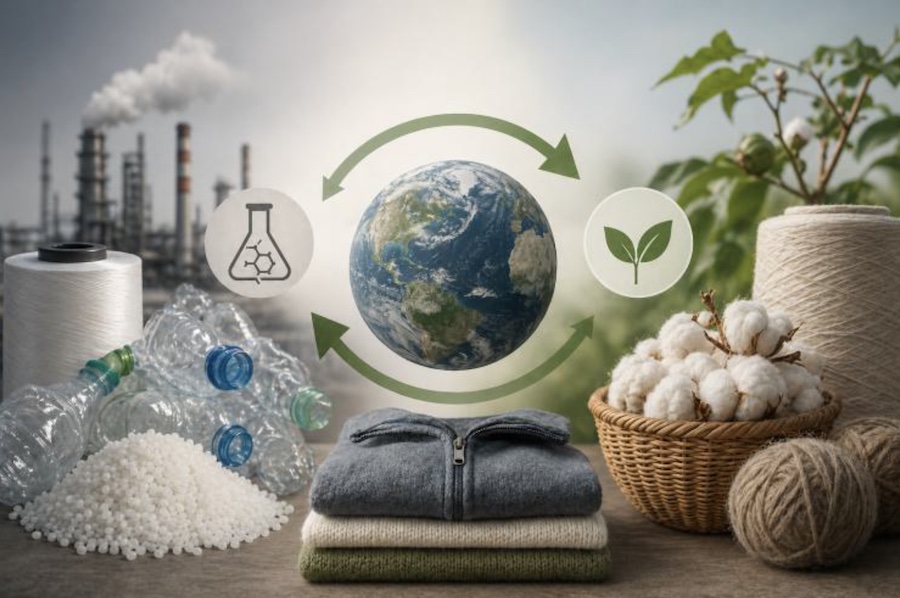
Today’s focus: recycled fibres and their quality assessment. Here, light will also be shed on the topic of the fibre quality of recycled fibres and their impact on yarn quality.

Recycled fibres are key to achieving a truly circular textile industry. However, the way in which they are processed raises crucial questions about quality: how do they compare to new materials – and how can this be reliably measured? How does fibre quality affect yarn quality? One thing is clear: specific testing methods tailored to recycled materials are essential for realistically assessing the performance of recycled fibres. Four experts take a closer look at these challenges and provide fresh answers from research and practice.

Stefan Fliescher, Textechno in Mönchengladbach, talks about “Advances in testing technology for mechanically recycled fibres”. While the suitability of new cotton for spinning can be determined primarily by fibre length distribution and nep content, these characteristics can only be measured to a limited extent in recycled fibres. Their damaged, heterogeneous structural profile requires adapted testing methods. In addition, parameters such as the proportion of unopened yarn remnants are becoming increasingly important. Optimised measurement techniques are therefore essential for improving quality assurance in mechanical recycling and enabling consistent yarn qualities.

Adele Abdoos, Mesdan, Italy, investigates the use of laboratory equipment such as shredders, carding machines and yarn separators to simulate and optimise fibre recovery from various waste textiles in a realistic manner. In her presentation, she shows that woven fabrics are more resistant to shredding and retain longer fibres, while knitted materials suffer greater damage and produce more short fibres. Adjusting the machine parameters, for example by increasing the speed of the main drum and reducing the speed of the working roller, proved particularly advantageous. The study presented in Bremen emphasises the importance of laboratory testing, as small-scale tests reliably predict industrial results while reducing material losses.

In her presentation, Christine Wörner from Uster Technologies examines the quality parameters of mechanically recycled and new cotton yarn. She shows that the quality of recycled cotton depends on the origin and fibre properties of the textile waste. Analysis with new material revealed significant differences. Using a matrix, the fibre properties of different types of waste were recorded and examined to determine how production parameters need to be adjusted to achieve the desired yarn quality and what impact this has on efficiency and yarn properties. The results offer insights into how to optimise recycled yarn production and emphasise the need for differentiated quality assessment in mechanical cotton recycling.

Pierre Lanfer, RWTH Aachen University, examines two mechanical recycling cycles in his presentation. The starting point is a fabric made from 100% new spun respectively knitted cotton, which is torn into fibres in the first cycle. These fibres are reprocessed in the second cycle. Initial results show a significant reduction in fibre length in the first cycle, while the loss is lower in the second cycle. The data suggests that losses in yarn and fabric properties could decrease in later cycles. The findings are presented on the basis of a characterisation of the original fabric and the fibres, yarns and fabrics of both recycling stages.

For the preliminary conference programme, other meetings and registration form, visit our website at www.cotton-conference-bremen.de



More News from Bremer Baumwollbörse

#Natural Fibers

38th International Cotton Conference Bremen launches registration and unveils key topics

Participants can now register online for the 38th International Cotton Conference Bremen, which will be held on 25-27 March 2026 at the Haus der Bürgerschaft parliament building on market square. All visitors can look forward to a high-calibre conference programme, numerous additional meetings and a valuable exchange of knowledge and information. The comprehensive range of topics covering the entire value chain will provide practical expertise, address current developments, answer key industry questions, and provide new impetus for the future.

#Natural Fibers

151st General Assembly of the Bremen Cotton Exchange

Economic change and personnel decisions were the dominant themes on the agenda of the Annual General Assembly of the Bremen Cotton Exchange on 26 June 2025. During the meeting, the new Executive Committee and Board of Directors of the raw material association, which is now almost 153 years old, were elected. Fritz. A. Grobien will take over as President.

#Natural Fibers

The 151st General Meeting of the Bremen Cotton Exchange on 26 June 2025

The General Assembly of the Bremen Cotton Exchange will take place in Bremen and online on 26 June 2025. All members, partners and friends of the association are cordially invited to attend this important event.

#Raw Materials

Cotton-supported study highlights potential dangers of microplastics in synthetic fibers

Microplastics are ubiquitous and evidence of serious harm is increasing. Studies have linked microplastics and nanoplastics to heart attacks, strokes and deaths, and microplastics have been found in the bone marrow of leukaemia patients and in the brains of dementia patients.

More News on Natural Fibers

#Natural Fibers

Cashmere producers stress the importance of The Good Cashmere Standard®

At the invitation of the Aid by Trade Foundation (AbTF), over 70 experts from the cashmere production and supply chain, as well as other specialists, met at the GCS Unit Meeting in Shanghai, China to discuss the progress and new objectives of The Good Cashmere Standard (GCS). The meeting focused on implementation and verification of the standard, important aspects of animal welfare and the importance of the standard in the global textile market.

#Natural Fibers

Human Rights Day: Cotton made in Africa reinforces its commitment to ensuring respect for human rights in cotton production

The sustainable cotton standard Cotton made in Africa (CmiA) has always focussed on respect for human rights, including by prohibiting child labour and discrimination. With the new version of the CmiA standard coming into force, AbTF raises requirements for due diligence in the areas of human rights and risk management.

#Research & Development

How innovations drive BASF’s success

“Innovation has always been part of BASF’s DNA. Especially in these volatile times, it is crucial to leverage our innovative strength to develop competitive solutions that differentiate us as a company in our markets and give us a competitive edge,” said Dr. Stephan Kothrade, Member of the Board of Executive Directors of BASF and Chief Technology Officer, at the company’s Research Press Briefing held today. To achieve this, BASF implemented its “Winning Ways” strategy about a year ago with the clear goal of becoming the preferred chemical company to enable its customers’ green transformation.

Latest News

#People

Happy Holidays!

Dear reader, the year 2025 is drawing to a close. We are entering what we hope will be a peaceful holiday season, spending time with our families and taking a moment to pause and reflect. We hope we have been able to support you once again this year with relevant news and articles, and we look forward to surprising you with many innovations in the coming year. Enjoy the festive season, stay healthy, and we wish you a happy and joyful holiday season.

#Weaving

Lindauer Dornier announces leadership transition in weaving machine business

After more than ten successful years at Lindauer DORNIER GmbH, Mr Wolfgang Schöffl will leave the family-owned company at the end of the year to enter well-deserved retirement.

#Heimtextil 2026

Texpertise Focus AI: Messe Frankfurt puts Artificial Intelligence centre stage at its international textile and apparel trade fairs

Under the banner 'Texpertise Focus AI, Messe Frankfurt will place a strong emphasis on Artificial Intelligence (AI) across its international textile and apparel trade fairs from 2026 onwards, setting a future-shaping signal for the industry. The initiative highlights the responsible use of AI along the entire textile value chain, from fibre production to the point of sale. The programme will launch at Heimtextil in Frankfurt in January 2026.

#Technical Textiles

Autoneum and Polestar set new benchmarks for passenger experience and sustainability

As the global market leader in sustainable acoustic and thermal management, Autoneum is a key supplier of interior and exterior components for the highly anticipated Polestar 5 model. The successful collaboration between Autoneum and Polestar marks a significant milestone in sustainable automotive engineering: the electric grand tourer sports car features several innovations in lightweight, fully recyclable polyester-based components that ensure a superior driving experience. Polestar 5 was revealed at the IAA Mobility 2025 in Munich and is available in 24 markets.

TOP