[pageLogInLogOut]
INNOVATION: IT'S IN OUR DNA - swiss textile machinery

#Technical Textiles

Technical textiles for more and new business

KARL MAYER Technical Textiles presents innovative textile solutions for construction and filtration at ITMA ASIA + CITME
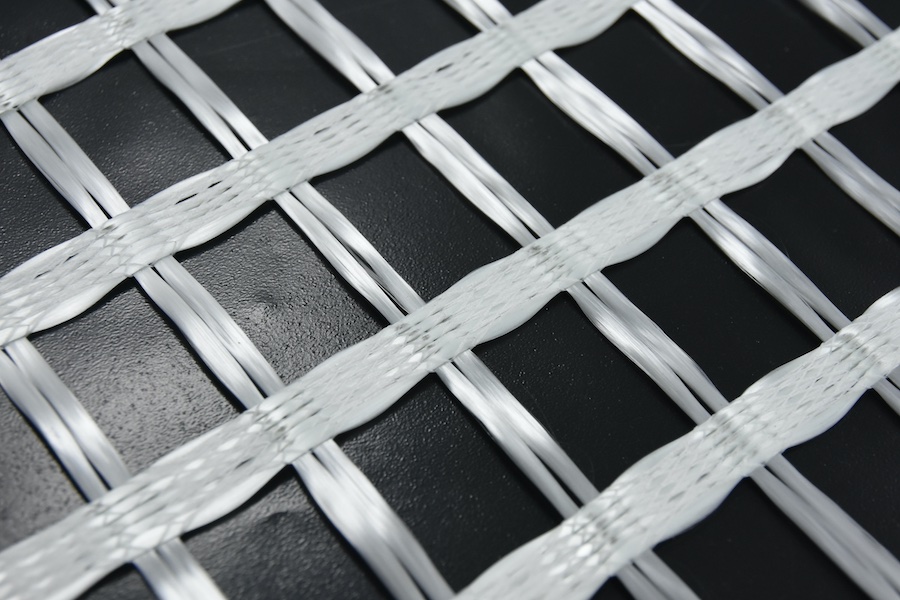
Road reinforcement © 2025 KARL MAYER
KARL MAYER's composite machines and warp knitting machines with weft insertion produce technical textiles offering an impressive variety of properties and textures. The range of tasks these textiles can perform is as broad as the spectrum of their possible fields of application. Both newcomers with the right textile solution and already established players can trust their business will flourish, as demonstrated by the examples from KARL MAYER's Technical Textiles division at ITMA ASIA + CITME 2025. The exhibition at stand A 301 in Hall 5 of the Singapore EXPO focuses on two areas: filtration and construction.

Clean solutions for filtration

The filtration solutions ensure purity, efficiency and taste and are based on the membrane principle. Hollow fibre mats with porous outer surfaces are used. Gases and impurities are transported across these surfaces while the feed medium flows through the fibres. This principle can be used to enrich the preliminary product with oxygen and carbon dioxide during beer brewing, to degas ink for printer cartridges, to decarbonise ultrapure water, and to enrich blood with oxygen or purify it by means of dialysis, to name just a few of the many applications of hollow fibre membranes in industry, beverage production and medicine.

The mats are manufactured to strict specifications for their demanding applications. The hollow fibres must not be crushed, constricted or stretched and must be arranged evenly at a high density – a task tailor-made for the WEFTTRONIC® II RSP WEFT. The sophisticated technical solutions of this Raschel machine with weft insertion ensure high stitch densities of up to 25 M/cm with low knitting yarn tension. This is important for the loose binding of the hollow fibres. The highly sensitive yarn material is processed as a yarn for weft insertion and handled with extreme care: with low yarn tension and deflection points, avoiding any relative speed and thus any stretching. The knitting thread fixes the hollow fibre, keeps it at a distance, prevents it from lying flat in a linear manner and thus guarantees optimum filtration conditions. The filter quality and flow rate of the warp knitted hollow fibre mats simply cannot be beaten – a performance that ensures maximum reliability and efficiency in filtration.
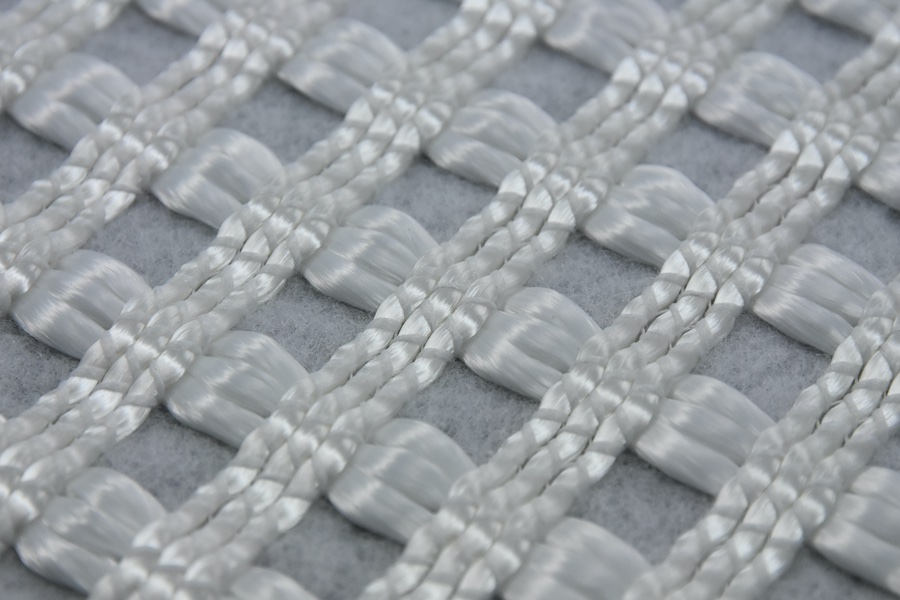
Slope Reinforcement © 2025 KARL MAYER


Saving costs and resources in construction

The construction industry requires more robust yet equally versatile solutions. Road construction has long relied on coarse, high-performance geogrids made of glass fibre material and other high-performance fibres, which are manufactured on warp knitting machines with weft insertion – including the WEFTTRONIC® II G – and used in a wide range of applications. In existing roads, they act as reinforcement grids to prevent cracking and rut formation and to distribute the load from traffic horizontally. When constructing new roadways, the power textiles reinforce the subsurface, separate its individual layers and provide filtration effects. In addition, in sloping terrain the high structural performance of warp knits made on weft insertion machines protects the surroundings from landslides. Unlike steel slope reinforcements, these textiles do not corrode and the textile solution can be easily installed in the landscape with minimum intervention.

Textiles also offer new ways of thinking about the construction and renovation of buildings. Reinforcements made of non-crimp fabrics and warp knits made on weft insertion machines eliminate the need for steel reinforcement in concrete construction, thereby reducing the CO2 footprint and environmental impact of this industry. Warp knitted plaster grids prevent the emergence and spreading of cracks, distribute the force optimally and ensure a long-lasting facade cladding. They can be produced extremely efficiently and in the highest quality on the WEFT GRID ECO. This warp knitting machine with weft insertion protects the functional but brittle fibre material, usually glass, produces very little yarn waste and is highly efficient. Its output of mesh fabric is up to 12 times higher than that of weaving machines for dense variants and up to 17 times higher for open structures.

When it comes to cost-effective roofing solutions, warp knitted coating carriers from WEFTTRONIC® II RS are right on target. The textiles produced by this reliable, high-performance Raschel machine with weft insertion can be processed into flexible, stable material systems characterised by high weather resistance. They are UV-resistant and reflect the sun's rays, thereby reducing the energy required for cooling.
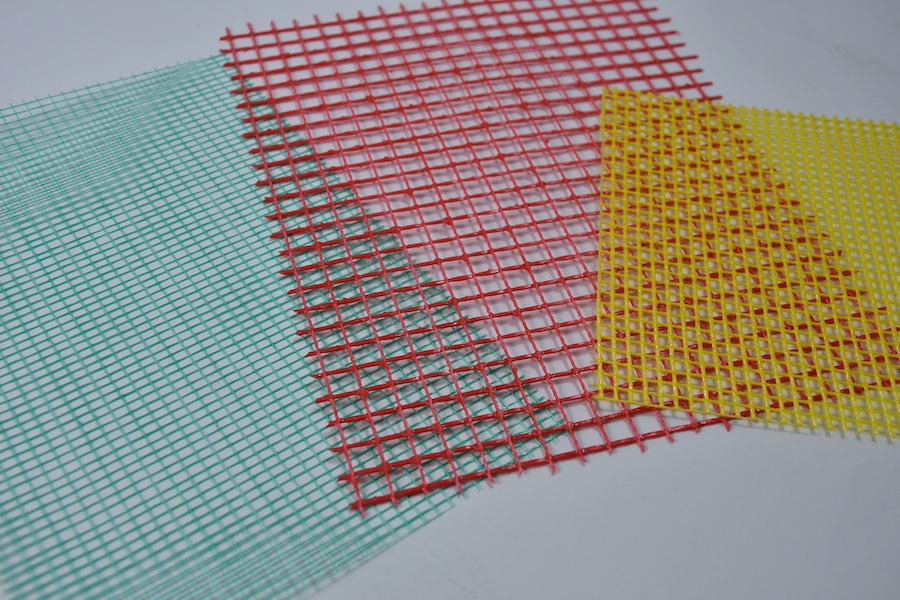
Plaster Grid © 2025 KARL MAYER


More News from

#Raw Materials

New study shows low environmental impact by Cotton made in Africa Organic Cotton from Tanzania

Today, the Aid by Trade Foundation (AbTF) is announcing the results of a comprehensive life-cycle analysis (LCA) for cotton produced in Tanzania under the Cotton made in Africa Organic (CmiA Organic) standard. The study emphasises the small ecological footprint of CmiA Organic verified cotton. This can largely be traced back to the absence of synthetic pesticides, artificial fertilisers, and artificial irrigation. Consequently, CmiA Organic cotton can help the textile industry meet regulatory requirements as well as science-based targets. The results also show that the consequences of climate change threaten the livelihoods of these cotton farmers, even though the type of agriculture they practise barely contributes to climate change.

#Raw Materials

Better Cotton Initiative strengthens regenerative focus in standard update

The Better Cotton Initiative (BCI) has strengthened the regenerative focus of its field-level standard with the launch of a new version of its Principles & Criteria (P&C), which marks the next step in the organisation’s journey to becoming a regenerative standards system.

#Man-Made Fibers

Selenis and Kintra Fibers partner to scale 100% bio-based synthetic fiber technology

Selenis, a leading global specialty polyester manufacturer, today announced a strategic manufacturing partnership with materials science company Kintra Fibers to scale Kintra’s patented fiber-grade PBS resin - a 100% bio-based and biodegradable material designed for textile applications.

#Functional Fabrics

PERFORMANCE DAYS proves its relevance as the industry’s key meeting point

Held on March 18–19, 2026, PERFORMANCE DAYS once again confirmed its position as a leading international platform for functional textiles. A total of 3.366 trade visitors and around 560 exhibitors gathered in Munich, with the event already kicking off successfully on DAY 0, which received highly positive feedback for its interactive format. Despite challenging conditions caused by the public transport strike in Munich, the event saw strong attendance and a consistently high level of activity across both exhibition days.

More News on Technical Textiles

#Techtextil 2026

Covestro to exhibit solutions for a more sustainable and productive textile industry at Techtextil 2026

Covestro will present a broad portfolio of material innovations for textile coatings, adhesive films and thermoplastic polyurethanes (TPUs) at Techtextil 2026 (Hall 11.0, Booth C79). The exhibits will demonstrate how advanced solutions can enhance durability, recyclability and manufacturing efficiency across applications such as automotive, infrastructure, protective apparel and sportswear. A particular focus will be on more sustainable coating technologies, including antimicrobial systems based on INSQIN® in combination with AGXX from Heraeus Precious Metals, as well as the integration of Pontacol® thermoplastic adhesive films into Covestro’s offering.

#Techtextil 2026

From Nature Performance to Circular Economy: Techtextil 2026 focuses on the future market for technical textiles

Alternative materials and recycling technologies are one of the most important future segments and drivers of innovation in technical textiles. Sustainability goals and regulatory requirements increase their relevance, while advances in performance and economic viability enhance their market competitiveness. Taking place from 21 to 24 April 2026, Techtextil reflects this key industry trend with a growing number of specialised exhibitors. With the new “Nature Performance” label, the leading global trade fair bundles relevant market offerings and facilitates access to new solutions – from natural fibres and yarns to bio-based materials and circular approaches.

#Techtextil 2026

Groz-Beckert showcases cross-segment innovations for technical textiles in Frankfurt

From April 21 to 24, 2026, Groz-Beckert will present its latest innovations and solutions across the product areas of knitting, weaving, nonwovens and sewing at Techtextil 2026 in Frankfurt (Hall 12, Booth B90).

Latest News

#Recycling / Circular Economy

Reju secures €135 Million in Dutch NIKI Funding for industrial-scale textile-to-textile regeneration hub at Chemelot Industrial Park, the Netherlands

Reju™, the progressive textile-to-textile regeneration company, has been awarded €135 million in funding under the Netherlands’ Nationale Investeringsregeling Klimaatprojecten Industrie (NIKI) program. The funding will support Reju’s planned industrial-scale Regeneration Hub at Chemelot Industrial Park in Sittard-Geleen, covering both the investment phase and ongoing operations, and represents a critical milestone on the path toward final investment decision.

#Techtextil 2026

TTL showcases nonwoven and needlefelt solutions at Techtextil 2026

Technische Textilien Lörrach GmbH & Co. KG (TTL), part of the Yanpai Group, will present its latest nonwoven and needlefelt solutions for industrial applications at Techtextil 2026 in Frankfurt.

#Composites

JEC World 2026 confirms its standing as the unmissable event for composites and their applications

JEC World 2026 confirms its position as the leading global event for the composite materials industry and its applications across multiple sectors, bringing together the entire composites ecosystem in Paris for three days of business, innovation, and collaboration. True to its Pushing the Limits motto, the 2026 edition delivered outstanding results despite travel disruptions worldwide. The numbers speak for themselves: more than 1,400 exhibitors from over 50 countries, including over 150 first-timers, presented a global panorama of products, equipment, and services across the entire composites value chain.

#Textile chemistry

Orta and Archroma launch denim collection dyed with wool waste

Archroma, a global leader in specialty chemicals, and Orta Anadolu, the premium Türkiye-based denim manufacturer behind the ORTA brand, today announced a collaboration to bring circular dye chemistry into commercial denim production.

TOP