#Associations
F1 – the crucible of innovation for BTMA members
Motorsport Valley
“If there’s one thing the UK does well, it’s Formula One, with seven of the ten F1 teams located within just an hour of each other in the midlands region known as Motorsport Valley,” explains BTMA CEO Jason Kent. “They are all linked to a national network of around 4,500 companies involved in a motorsport and high-performance engineering industry worth around £9 billion annually and employing 40,000 people. This network draws on the services of a significant number of our member companies.”
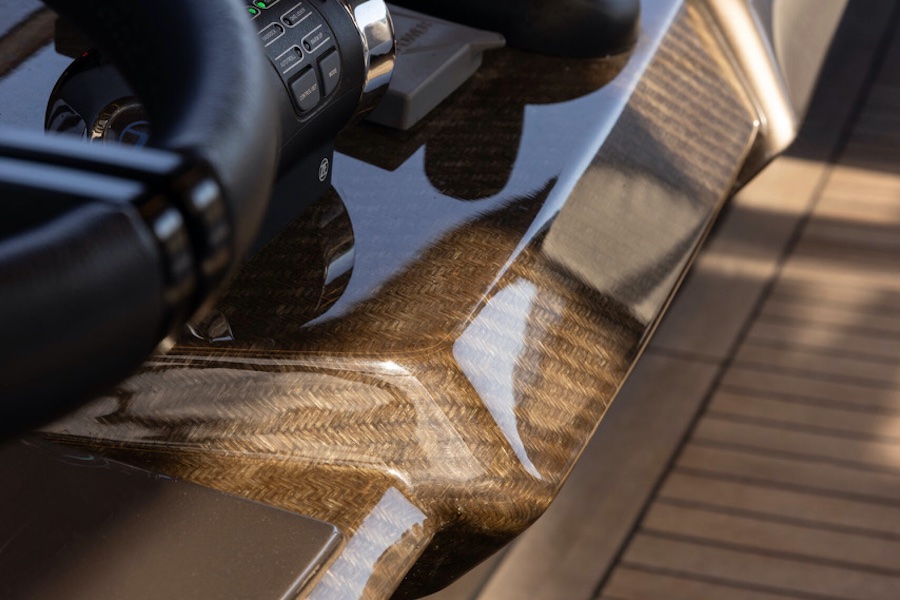
“With the exception of the engine, virtually every part of a Formula One racing car now starts from a textile, including the bodywork, the tyres and many of the latest fuel systems,” says Richard Kirkbright, project manager at Leeds-based Roaches International. “This has influenced developments in the broader automotive sector, in addition to the aerospace industry.”
Show cars and memorabilia
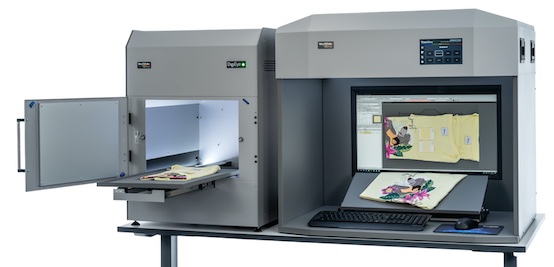
While best known as the developer of textile testing systems, Roaches has over the years also supplied advanced autoclaves to the UK’s composites industry, including a recent delivery to Northampton-based Memento Exclusives, a specialist in the production of show cars working directly with F1 and its leading teams.
Each major F1 team sponsor is supplied with one or two show cars for use at exhibitions and a wide range of other promotional activities arranged around the racing event calendar. These cars have no engine and their bodies may be made of fewer carbon fibre plies, but they are otherwise identical to the latest cars being raced by the F1 teams.
Memento Exclusives has its own in-house carbon fibre parts manufacturing facility and the integration of the Roaches autoclave has significantly expanded its capabilities in show car production.
Master bakers
“Composite materials undergo a metamorphosis in the autoclave which subjects them to both mechanical and chemical processes,” explains Richard Kirkbright. “Trapped air and volatiles are expelled and plies are consolidated under precise pressure. Heat cycles are then introduced, curing the resin systems and yielding flawlessly crafted components. Autoclave specialists are a little like master bakers, knowing exactly how to treat their ingredients at every stage of the process, to achieve the desired final product.”
“The Roaches autoclave now enables us to cure large components with full control and achieve a swift turnover of parts while ensuring the highest quality finish,” adds Terry Wasyliw, Head of Build for Memento Exclusives.
McLaren’s influence
Woking, UK-headquartered McLaren was the very first F1 team to introduce a car chassis manufactured entirely from carbon fibre composites back in 1981, setting the ball rolling for the creation of a completely new and global supply chain.
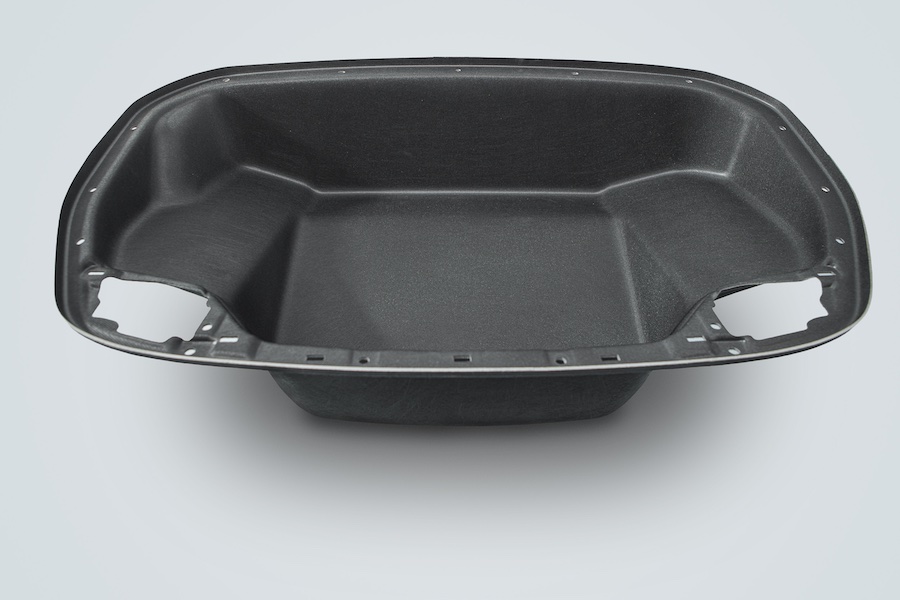
McLaren has this year unveiled a world-first in supercar engineering – aerospace-derived Automated Rapid Tape (ART) carbon fibre, developed at the dedicated McLaren Composites Technology Centre (MCTC) facility in Sheffield. This is being employed to create the active front wings of the W1 hypercar which has a starting price of $2.1 million.
A rear floor component was also developed for McLaren as part of the recently-completed £39.6 million ASCEND programme involving a range of UK partners, including BTMA member Cygnet Texkimp.
Handling, converting and decarbonisation
A wide range of handling and converting machines are supplied to the composites industry by Cygnet Texkimp, including bespoke creels, prepreg, coating, slitting and filament winding machines.
Its technologies are employed in the construction of composite components for aerospace and automotive, as well as in the production of tyre cord and more recently in the advanced construction of hydrogen storage vessels which are largely viewed as the future of F1 propulsion, along with advanced batteries for electric vehicles.
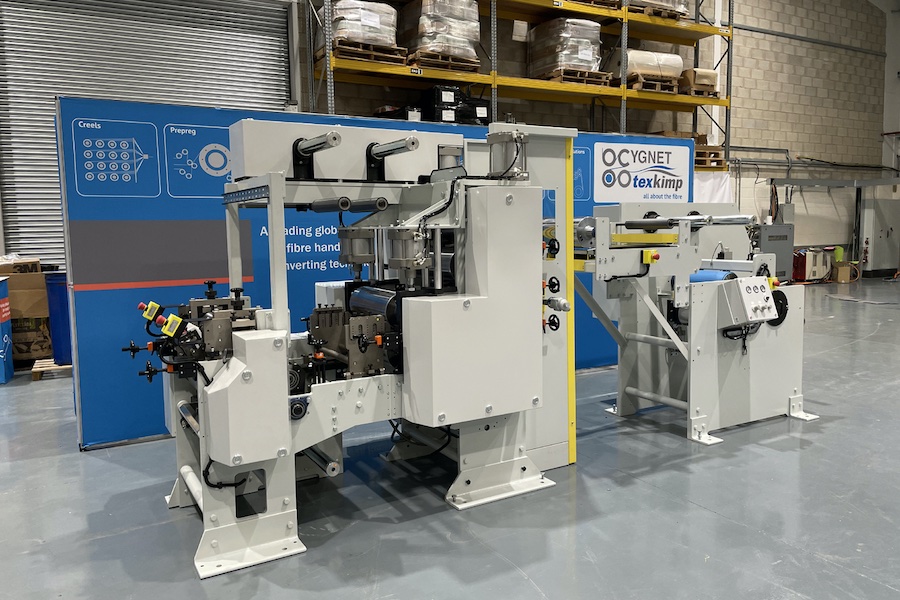
Cygnet Texkimp has been involved in the F1 supply chain for over 20 years and most carbon fibre used in the industry has been processed on one of its VHD creels. The company is also the largest independent manufacturer of prepreg machines in the world and is currently leading the design and build of the UK’s first carbon fibre research lines for a project led by NCC (National Composites Centre) to accelerate the development of more sustainable carbon fibres.
In addition, Cygnet is licensed to design and build the DEECOM® composite recycling system developed by new BTMA member Longworth Sustainable Recycling Technologies, the first of which was recently commissioned by the Henry Royce Institute in Manchester. DEECOM® is a zero emission, low carbon pressolysis solution using pressure and steam to reclaim pristine condition fibres and resin polymers from production waste and end of life composites.
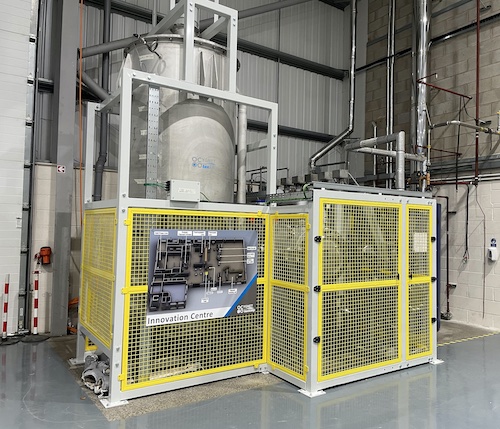
“Decarbonisation is a major priority for manufacturers globally,” says Cygnet CEO Luke Vardy. “At Cygnet Texkimp, we’re developing the capability to process technical fibres in ways that enable lightweighting, hydrogen power and electrification, reduce waste and revolutionise the end-of-life management of composite materials and parts. In collaboration with our industry partners, we’re bringing to market some of the most innovative new fibre processing technologies ever developed to deliver real-world benefits that support the sustainability agenda.”
Prepregging
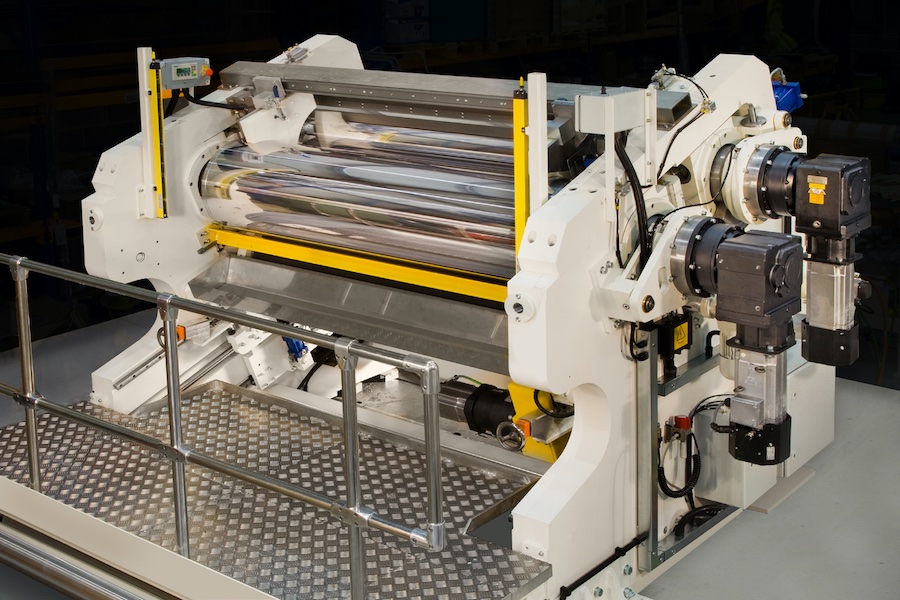
Another new BTMA member, Emerson & Renwick (E+R), a specialist in print, forming, vacuum and coating technologies, also supplies technology for the production of carbon fibre prepregs, which are integrated rolls of fabrics and resins.
Its most recent 1.7-metre-wide line supplied to a customer in Italy operates at speeds of 40+ metres per minute for web coatings or prepreg fibre and resin consolidation, or a combination of both processes. It is distinguished by an ultra precise three-roll reverse roll coater for the processing of high viscosity thermo-activated resins and enables the automatic changeover of sensitive woven fabric materials at zero tension, with three high precision calendaring nips with hot/cool plates. Multiple unwind and rewind systems for intermediate lamination steps include side loading and reliable lap splicing and zero speed splicing with a web accumulator for the main product rewind.
E+R has also been part of a consortium working on the development of lithium-sulphur (Li-S) batteries within the £540 million UK Faraday Battery Challenge. Once commercially viable, Li-S batteries promise to provide relatively high energy density at low cost for sustainable electric vehicles of the future – inevitably starting with F1.
Strong links
“In addition to our powerful base of textile testing and control companies, many other BTMA members are working on further F1 and advanced composite projects,” says Jason Kent in conclusion. “We are also forging strong links with the UK’s key research hubs such as Sheffield University’s Advanced Manufacturing Research Centre, the Northwest Composites Centre in Manchester, the National Centre for Motorsport Engineering in Bolton and the National Composites Centre in Bristol.
“The BTMA recently became an associate member of Composites UK too, because this sector is the crucible of innovation for tomorrow’s textiles.”
www.roaches.co.uk
www.cygnet-texkimp.com
www.bmlongworth.com
www.eandr.com
www.btma.org.uk