#Associations
Engineering depth and diversity for composites
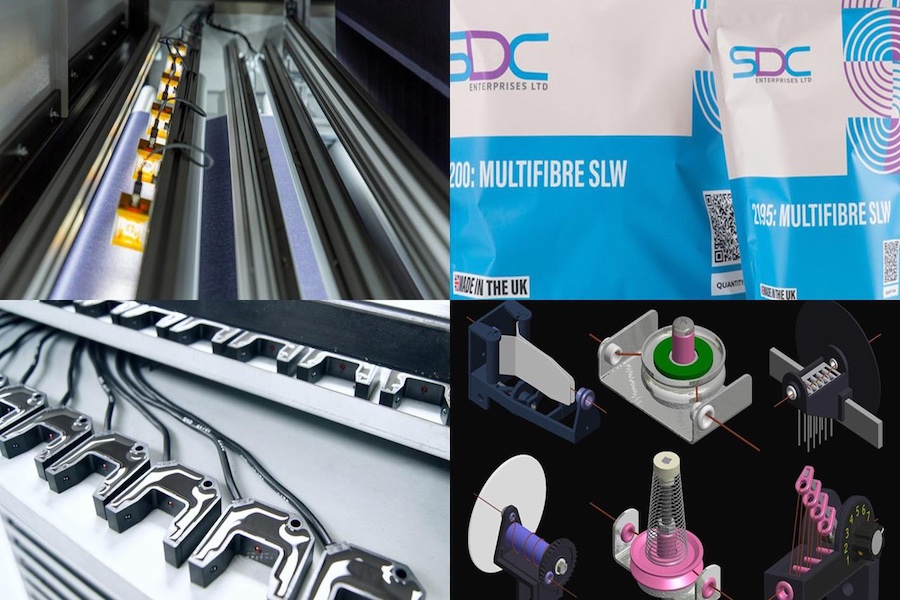
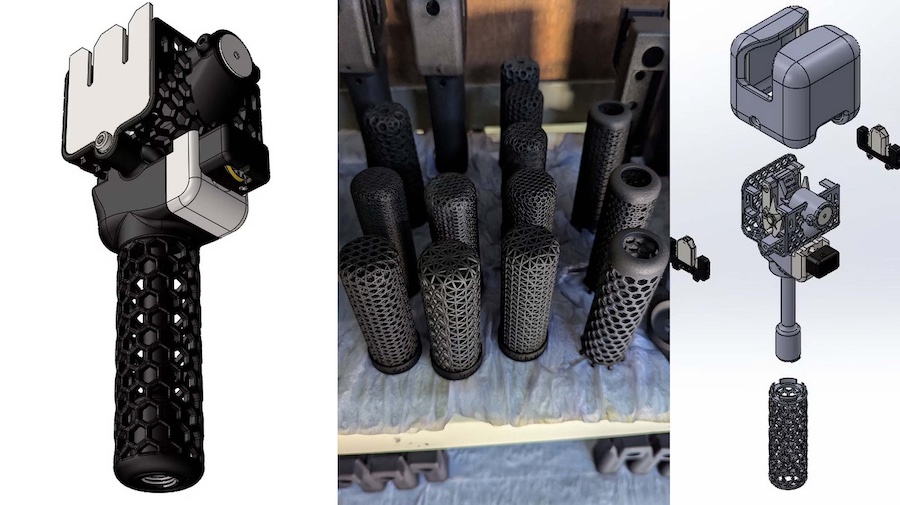
Airbond prototyped and tested a number of structures with different cell sizes and thicknesses before deciding on the optimised structure for its latest range of 3D-printed splicers. © 2026 Airbond
The award recognises the company’s use of industrial 3D printing and advanced design methods to reduce material use and waste in the production of its pneumatic splicers, while improving manufacturing efficiency and maintaining the reliability demanded by industrial customers.
“We’ve used 3D printing to do something traditional manufacturing can’t – build strength and performance into the inside of the part, using far less material,” explains Maxim Wright, Airbond’s Head of Design and Development who leads the company’s design engineering and additive manufacturing programme. “Winning a national sustainability award is a big moment for a small team in Pontypool and it shows what modern Welsh engineering can deliver.”
Optimised structure
Pneumatic splicing was invented by Airbond in the 1960s, initially for the textile industry, and has subsequently been widely adopted by companies manufacturing carbon and aramid-based components for the aerospace, automotive and wind power industries.
Using Carbon3D’s Lattice Design Engine, Airbond prototyped and tested a number of structures – Voronoi, Tetrahedral, Kagome – all with different cell sizes and thicknesses, before deciding on the optimised structure for its latest range of splicers.
Zero mechanical failures and a strong customer response confirmed the design’s robustness and manufacturing viability. The standardised modular design is 33% lighter than previous splicers and has reduced costs in electrical packages, engineering and installation for Airbond, which continues to invest in product development and manufacturing capability in South Wales, applying advanced design to make industrial tools lighter, more efficient to produce and more sustainable.
Interfacing with specialists
This success follows quickly on the heels of the announcement that fellow BTMA member Cygnet Texkimp has been shortlisted for a 2026 JEC Innovation Award for its collaboration with McLaren Automotive on the ART rapid tape-deposition system. Capable of depositing dry fibre tapes at up to 2.5 metres per second with exceptional precision, ART reduces scrap, shortens cycle times and delivers structural improvements already being realised across McLaren’s composite-intensive vehicle platforms.
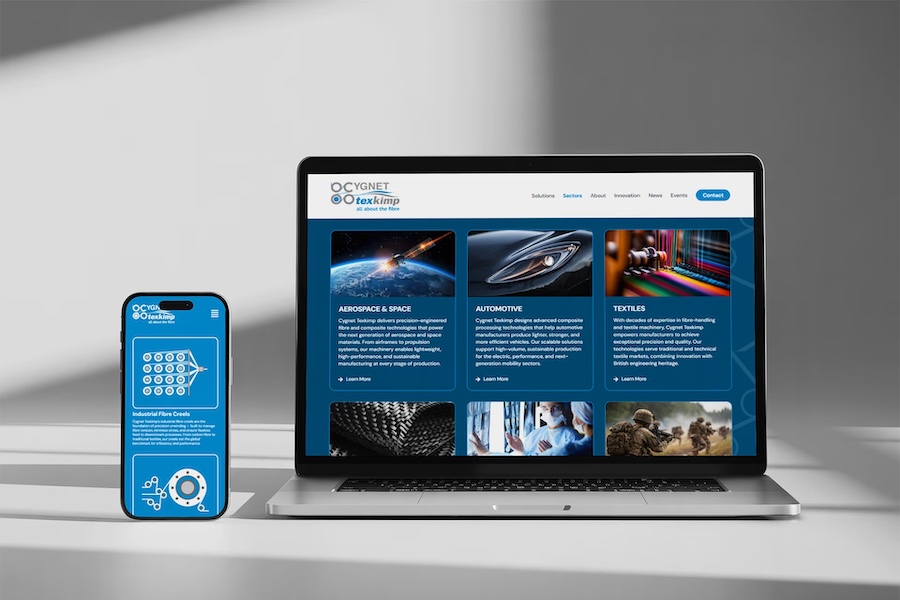
As the world’s largest independent manufacturer of prepreg production machinery and handling and converting systems for the composites industry, Cygnet has just launched a new website for its global audience, providing users with easy access to valuable resources and an interface to connect with product specialists.
“The new site gives us a dynamic platform to share our technologies and expertise with our global audience in a way that reflects the ease and professionalism with which we operate,” says CEO Luke Vardy. “We hope it will provide a sense of what it’s like to collaborate with us and a clear view of our commitment to innovation and performance in fibre processing.”
Autoclave advances
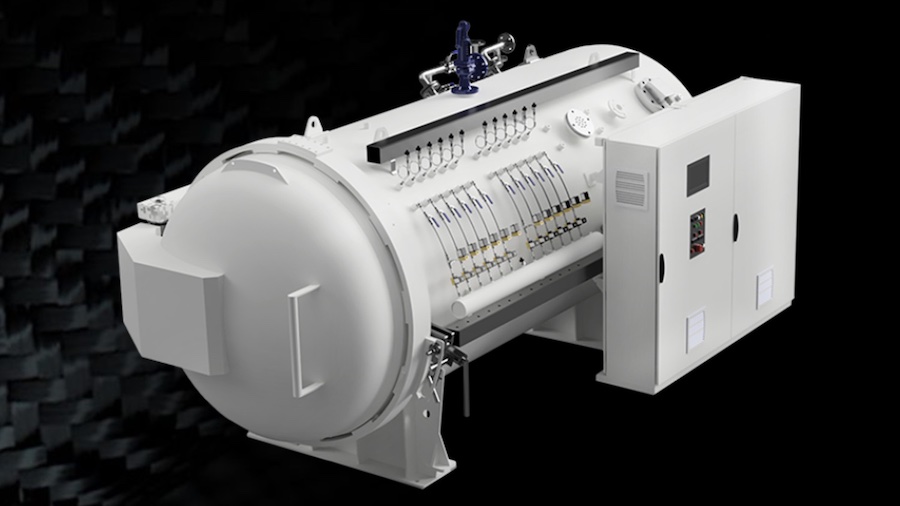
A dedicated new LinkedIn page meanwhile celebrates 15 years of growth, development, and engineering innovation in autoclave and thermosetting technologies for a third BTMA member, Roaches International.
Roaches Autoclaves was founded in 2011 and has subsequently become a central part of the West Yorkshire-based business, supporting the development of aerospace components and high-performance automotive structures, as well as the production of components for commercial construction, sporting goods and food production and processing.
The company’s first ever autoclave was installed at Crosby Composites in Brackley, Northamptonshire, with a diameter of 2.5 metres and a length of three metres.
“We started big and the industry instantly wanted more, so happily, we carried on and Crosby went on to order three more autoclaves of the same size, all of which are still in operation today and receive reliable and ongoing service from us,” says Roaches International MD Sean O’Neil. “In addition to the machines themselves, support, service, calibration and collaboration remain the cornerstones of Roaches Autoclaves and our dedicated new LinkedIn platform will allow for more frequent, higher quality communication with the digital composites community.”
Measurable benefits
“From additive manufacturing and sustainable product design to high-speed fibre placement and advanced autoclave technologies, our members continue to demonstrate how British machinery and engineering expertise are helping to shape the future of the global composites industry,” says BTMA CEO Jason Kent. “These achievements underline the depth and diversity of engineering excellence across our membership, and what is particularly encouraging is the way they all deliver real, measurable benefits in efficiency, sustainability and performance, while being rooted in long-term investment, collaboration and skills within the UK.”