#Associations
German textile industry and retailers form alliance to shape textile EPR system
The two associations are inviting companies, institutions and other stakeholders across the textile value chain to join the initiative and participate in shaping the transition towards a more circular textile economy.
The establishment of the alliance comes as Germany prepares the national implementation of European requirements for Extended Producer Responsibility for textiles and footwear. Under the future system, companies placing relevant products on the German market will assume financial responsibility for their collection and subsequent waste management.
The alliance is calling for an implementation that is practical, efficient and minimizes unnecessary bureaucracy while supporting the environmental objectives of textile circularity.
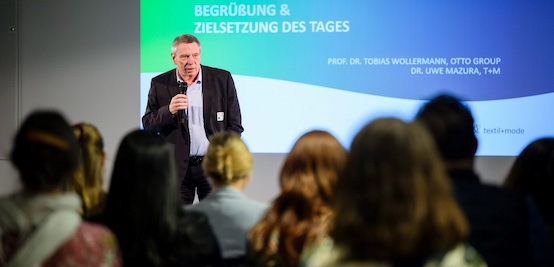
“The introduction of Extended Producer Responsibility is an important building block on the way towards a functioning textile circular economy,” said Dr. Uwe Mazura, Managing Director of Gesamtverband textil+mode. “However, it is crucial that the companies that bear the financing and responsibility can also actively contribute their expertise to the design of the system.”
Mazura pointed to the expertise available within Germany’s textile and fashion industry and textile research sector, arguing that this knowledge should be incorporated into the development of practical solutions for circularity.
Equal rules for European and non-European sellers
A central concern for the alliance is the application of EPR requirements to all companies placing textile products on the European market, including international e-commerce platforms and suppliers based outside the EU.
Stefan Genth, Managing Director of the German Retail Federation (HDE), stressed that the effectiveness of EPR would depend on consistent application of the rules.
“Extended Producer Responsibility can only be successful if it applies equally to all market participants,” Genth said. “German and European companies cannot be expected to bear the costs and obligations of an EPR system while international platforms or suppliers from third countries remain exempt from these obligations.”
According to Genth, companies placing products on the European market should be subject to the same responsibilities in order to establish fair competitive conditions.
The issue has become increasingly important for the European textile, apparel, footwear and retail sectors as international direct-to-consumer and platform business models account for a growing part of the market. At the same time, European companies are preparing for a broader regulatory framework covering product sustainability, circularity and end-of-life responsibility.
Industry seeks role in EPR system design
The new alliance is calling for manufacturers and retailers to have a defined role in designing the future EPR system. Its priorities include a clear and efficient system architecture, transparent allocation of costs according to responsibility, legal certainty and a harmonized European scope.
The initiative also calls for competitive conditions that ensure the obligations apply consistently to all relevant market participants.
The German textile industry has already been developing proposals for the implementation of textile EPR. In February 2026, Gesamtverband textil+mode presented an updated model proposing a streamlined and transparent structure for producer responsibility and registration in Germany. The association has also been working with textile research partners and organizations experienced in existing take-back systems on approaches for textile collection and recycling.
The broader objective of the Alliance for Textile Circularity is to contribute to an EPR system for textiles and footwear that combines environmental effectiveness with economic viability while supporting the competitiveness of companies operating in Germany.
Companies, institutions and other stakeholders along the textile value chain are being invited to participate in the initiative and contribute to the further development of the proposed system.
Allianz für textile Kreisläufe (German site)