[pageLogInLogOut]

#Research & Development

New DIN SPEC supports the development of textiles with low microfibre discharge
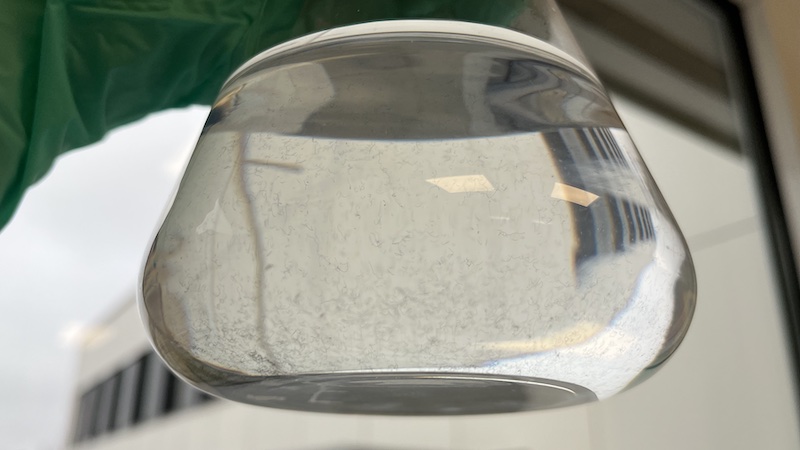
Building on a rapid test for the detection of microfibres in sample water presented in 2023, the sporting goods manufacturer Under Armour, together with the testing service provider Hohenstein and the measuring device provider PPT Group, has now published a standardised test method that enables the determination of microfibre release from textiles under simulated washing conditions. With the help of the new DIN SPEC 19292, apparel/textile companies along the value chain are now able to measure and (e.g. comparatively) evaluate the extent of fibre release of different materials as part of their product development.
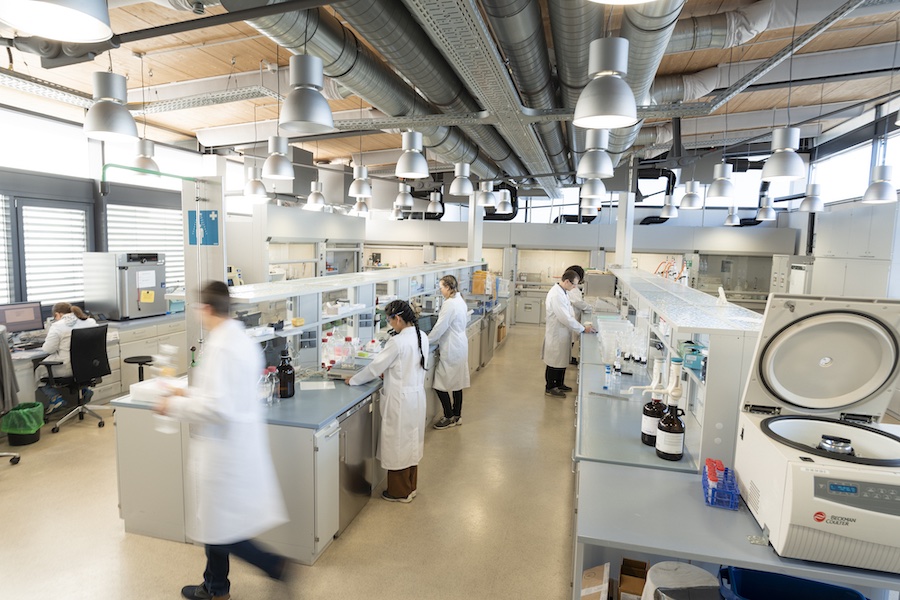
The new DIN SPEC 19292:2024-12, developed by Under Armour, Hohenstein and the PPT Group, makes it possible to determine the (micro)fibre discharge of textiles during washing using a standardised test method. A five-stage rating (from ‘1: very dense amount of fibres’ to ‘5: very small amount of fibres’) evaluates the extent to which a textile material releases fibre fragments into wastewater based on a visual inspection with a microscope. © 2024 Hohenstein


Test method is suitable for materials made of man-made and natural fibres

During the manufacture and use, but also during the care of textile products made from synthetic materials, fibres are released into the environment and pollute the oceans as microplastics, for example. Depending on the washing programme selected, i.e. the temperature and mechanical load, different quantities of textile fibres end up in the wastewater, even when washing items made from natural fibres. This is where the DIN SPEC 19292 test procedure comes in: After a simulated washing process of a fabric sample using tabletop equipment and a defined amount of water, the sample water is filtered and, based on a visual evaluation with a microscope, the degree of fibre fragmentation by the textile material is determined.

“With our broad expertise in sustainable solutions, we have been supporting companies in the textile industry for years in better understanding the fibre discharge of their products into the environment, making it objectively measurable and reducing it in a targeted manner,” says CEO Dr Timo Hammer, summarising Hohenstein's contribution to the new DIN SPEC.

On the industry side, Under Armour was looking to develop an easy-to-use, accessible solution for its producers that would allow the company and others to avoid microplastics through product development. “In the apparel industry, assessing the fibre abrasion of garments can be a costly and time-consuming process,” explains Kyle Blakley, Senior Vice President of Innovation, Development and Testing at Under Armour. “With Hohenstein's expertise, our team was able to align our innovative new test method to the globally recognised framework of DIN SPEC 19292. This exciting milestone supports our aim to make the test method as accurate and internationally accessible as possible.”

In addition to working on the new DIN SPEC 19292, Hohenstein also offers further tests to determine the extent to which (micro)fibres degrade in the wastewater of production plants or in household laundry and how harmful the fibre residues are to the environment. The tests are carried out according to Hohenstein’s in-house methods as well as international standards and procedures.
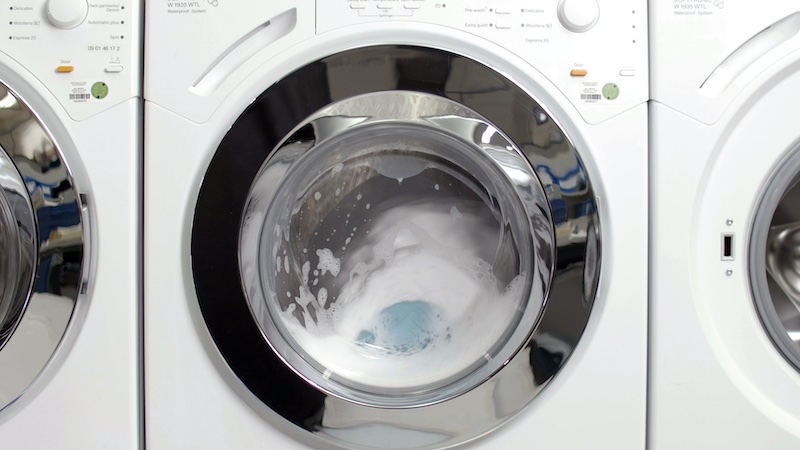
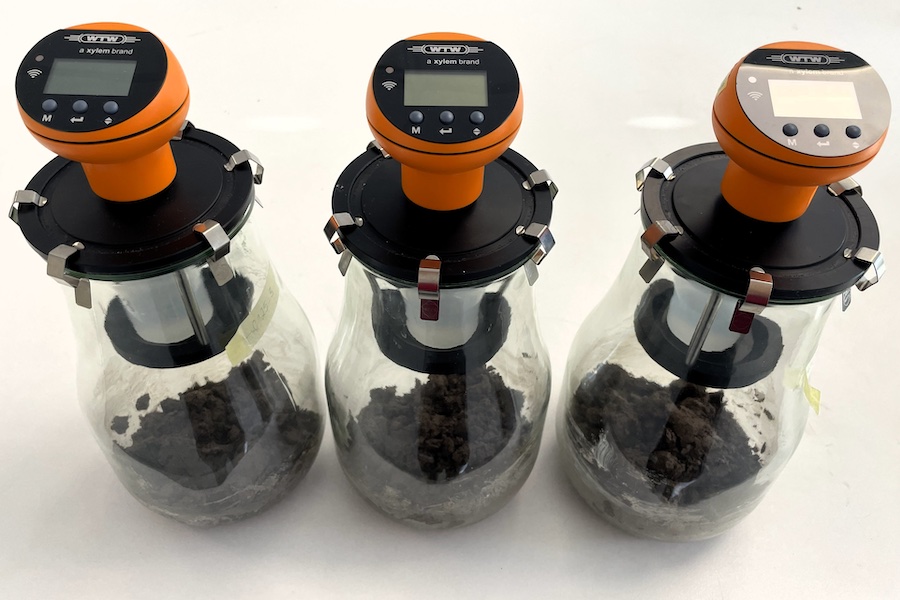
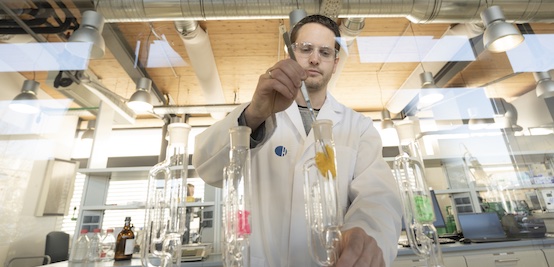
In addition to determining the (micro)fibre discharge, Hohenstein offers further tests that can also be used to determine how well textile fibres degrade in wastewater and how harmful they are to the environment. © 2024 Hohenstein


More News from Hohenstein Institute

#Research & Development

New DIN SPEC assesses environmental impact of textile fragments in soil

Textile products made from synthetic fibres, finished fabrics or dyed materials release fibre fragments into the environment at every stage of their life cycle. With the new DIN SPEC 19296, Hohenstein has developed a standardised testing method to analyse how these fragments behave in soil under natural conditions. Until now, little was known about their environmental behaviour or potential ecological effects once released.

#Research & Development

Testing and research laboratory ensures safe and more sustainable products worldwide

For 80 years, Hohenstein has stood for independent testing, scientific expertise and practical solutions. Today, the testing and research service provider supports manufacturers and brands worldwide in making textiles, hardlines and medical devices safe, more sustainable and market-ready – thereby building trust among consumers. With an international presence and interdisciplinary expertise, Hohenstein supports its customers from production through to market launch, helping them navigate an environment of growing regulatory and societal demands.

#Research & Development

A smarter way to verified Chemical Compliance

Hohenstein and GoBlu Drive Innovation in Sustainable Supply Chain Management As regulatory demands, customer expectations, and sustainability goals continue to grow, the ability to manage chemical compliance and data across complex supply chains has become critical. Hohenstein and The BHive® by GoBlu are initiating a strategic partnership to enhance chemical management in the textile sector. The collaboration delivers more than just a service – it provides an integrated, future-ready solution for brands, manufacturers and suppliers seeking trusted chemical management and credible sustainability.

#Research & Development

Hohenstein achieves GLP Certification for Medical Device Testing

Since the middle of July, the testing service provider Hohenstein has been certified to conduct medical device testing in accordance with the internationally recognised Good Laboratory Practice (GLP) standard. This certification comprehensively covers chemical, physical and biological safety testing of medical devices.

More News on Research & Development

#Research & Development

Solid Air Dynamics wins second place at RWTH Innovation Award

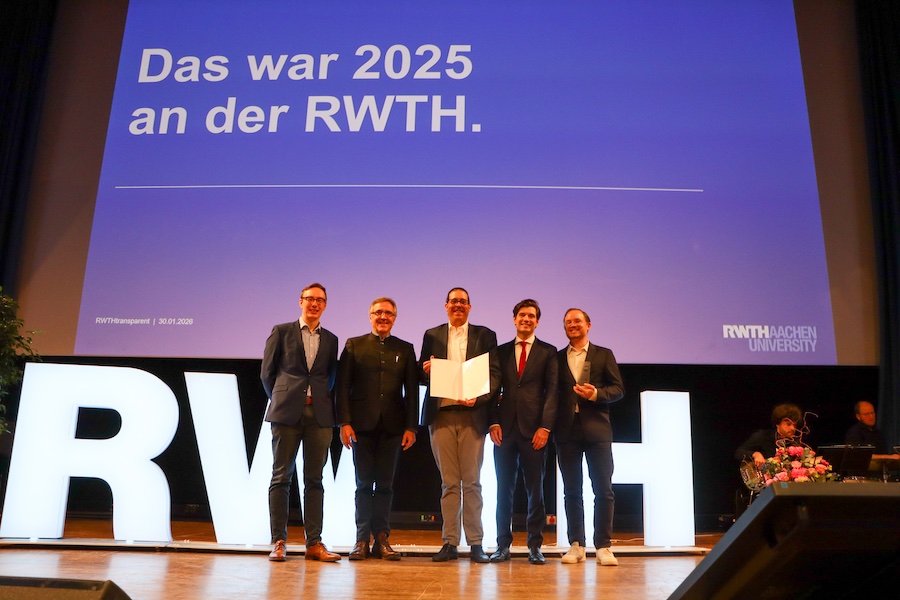
On 30 January, RWTH spin-off Solid Air Dynamics was awarded second place in the RWTH Innovation Awards for its research in the field of aerogel fibres. Manufactured from renewable raw materials, aerogel fibres offer outstanding thermal insulation, are extremely lightweight and completely biodegradable, and can consist of over 90 per cent air.

#Research & Development

Award-winning research for sustainable carbon fibre cycles

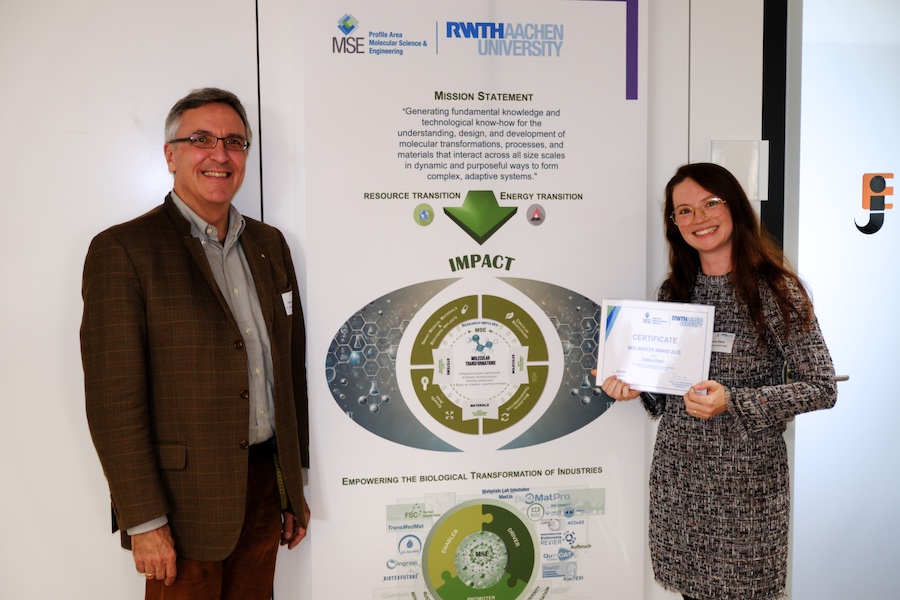
Sustainable recycling of carbon fibres is possible through targeted electrochemical surface modification, which makes the sizing of carbon fibres resistant to solvolysis. ITA PhD student Sabina Dann was awarded the MSW Award from RWTH Aachen University for her master's thesis on this development. The award ceremony took place on 12 November 2025 in Aachen.

#Research & Development

Kick-off for the Textile Production of the Future: Establishment of a Textile Technology and Development Centre in Mönchengladbach, Germany

The Institut für Textiltechnik (ITA) of RWTH Aachen University, together with its partners, is pleased to announce that it has received approval for its joint initiative, ‘Textile Factory 7.0’. The goal of the project is the establishment of a technology and development centre for the textile industry in Mönchengladbach.

#Research & Development

Bio-based fibers with good flame retardancy

Fibers made from bio-based plastics reduce dependence on fossil raw materials and promote the circular economy. The covalent bonding of flame-retardant additives can open the way for these fibers to enter the mass market.

Latest News

#Recycling / Circular Economy

Circulose restarts commercial-scale production at Ortviken plant in Sundsvall

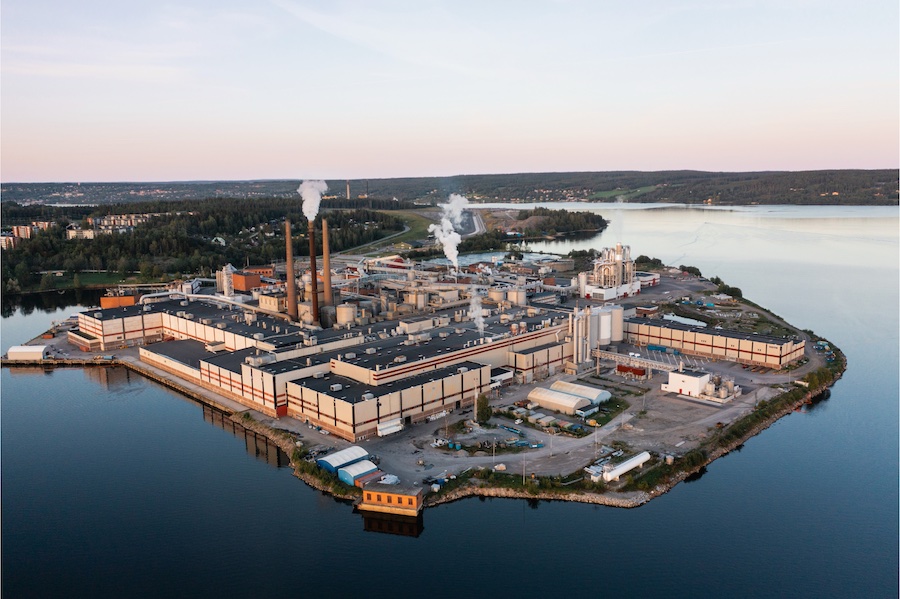
Circulose today announced the restart of its commercial-scale production plant at Ortviken in Sundsvall, Sweden, marking a significant step in scaling next-generation materials for the global fashion industry. The company plans to resume production of CIRCULOSE®, a recycled pulp made entirely from discarded cotton textiles, in the fourth quarter of 2026.

#Textiles & Apparel / Garment

VIATT 2026 to debut German Pavilion, strengthening European participation alongside key Asian textile hubs

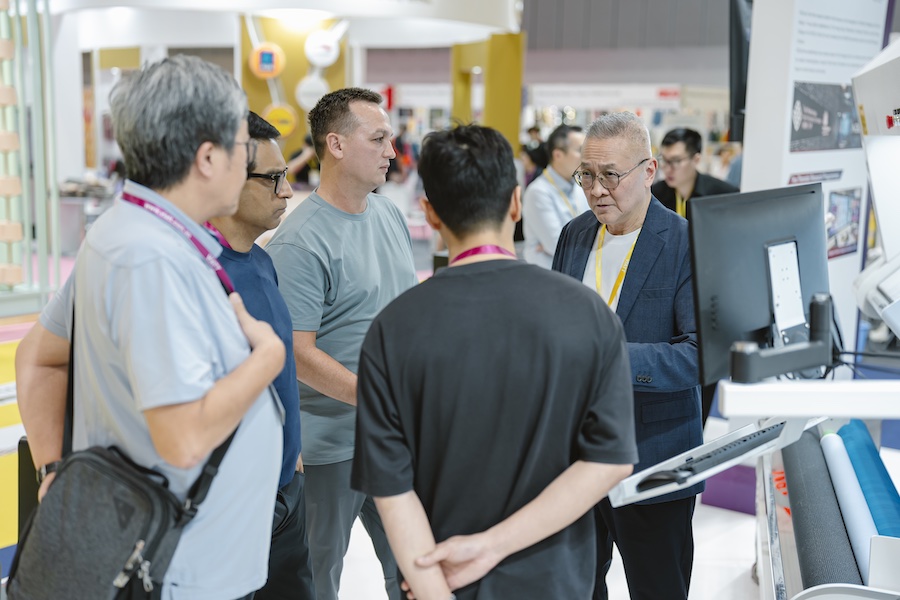
Vietnam’s textile and garment sector continues to be a major contributor to the country’s economic growth, with export revenues expected to reach USD 46 billion in 2025, a 5.6% increase from 2024 . From 26 – 28 February, the Vietnam International Trade Fair for Apparel, Textiles and Textile Technologies (VIATT) is set to contribute to economic growth opportunities by accelerating digital transformation and green transition across the entire textile value chain. The upcoming edition will respond to the rising demand for advanced technologies and sustainable materials with the introduction of the German Pavilion, alongside strong exhibitor participation from key Asian sectors, as well as several high-profile fringe events.

#Sustainability

Ying McGuire becomes new CEO of Cascale

Cascale today announced the appointment of Ying McGuire as Chief Executive Officer, effective June 1, 2026.

#Technical Textiles

Sustainable, lightweight, and sound absorbing: Polyester-based front trunk solution for BEVs

As car manufacturers look to further reduce their carbon footprint, Autoneum has developed an innovative front trunk solution for battery electric vehicles (BEVs), made entirely from polyester-based textile. The Ultra-Silent Frunk offers significant weight reduction, improved acoustic and thermal insulation, and uses up to 70 percent recycled material, supporting sustainable and efficient vehicle design. Autoneum, global technology leader in acoustic and thermal management for vehicles, has already received orders for the new frunk from three major OEMs in Asia and Europe to be built in three BEV models. Series production for two BEVs has been underway in China and Germany since last year.

TOP