[pageLogInLogOut]

#Research & Development

Hohenstein: 80 Years of Setting Standards

Testing and research laboratory ensures safe and more sustainable products worldwide
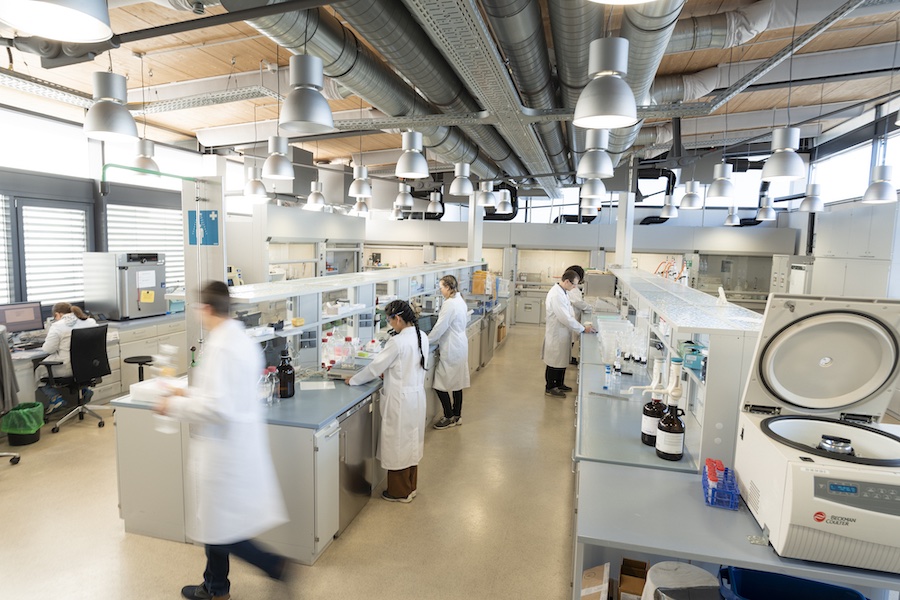
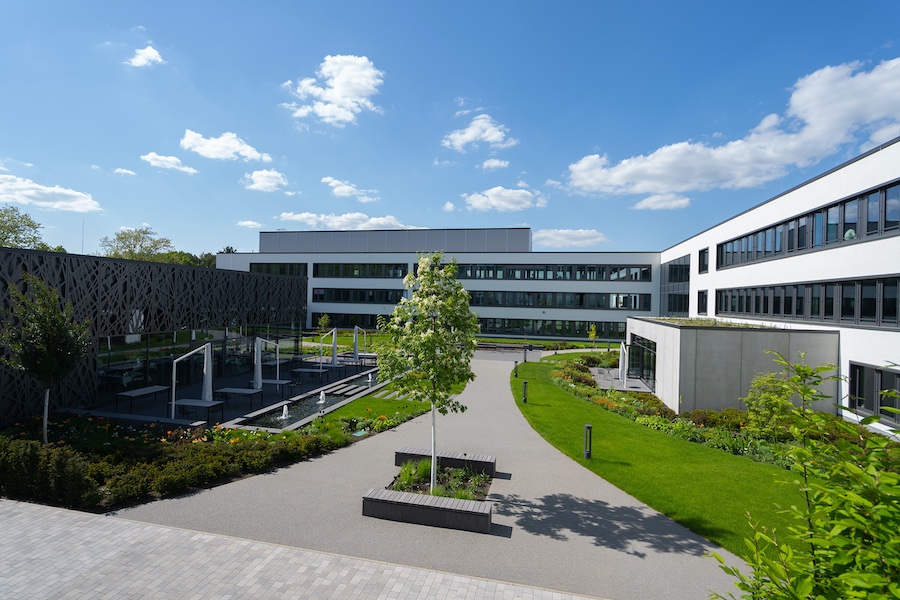
With a global network in more than 50 countries, modern laboratories and short turnaround times, Hohenstein supports companies in bringing textiles, hardlines and medical devices to market safely, more sustainably and reliably. © Hohenstein
For 80 years, Hohenstein has stood for independent testing, scientific expertise and practical solutions. Today, the testing and research service provider supports manufacturers and brands worldwide in making textiles, hardlines and medical devices safe, more sustainable and market-ready – thereby building trust among consumers. With an international presence and interdisciplinary expertise, Hohenstein supports its customers from production through to market launch, helping them navigate an environment of growing regulatory and societal demands.


Pioneers of Textile Safety

Hohenstein was founded in 1946 by Otto Mecheels as a research institute for the textile industry and clothing physiology. From the very beginning, the institute combined scientific research with practical application – an approach that continues to define Hohenstein to this day. Early series measurements for body-size charts laid the foundation for the company’s fit expertise and knowledge transfer played a central role from the start, with research, teaching and testing closely interlinked.
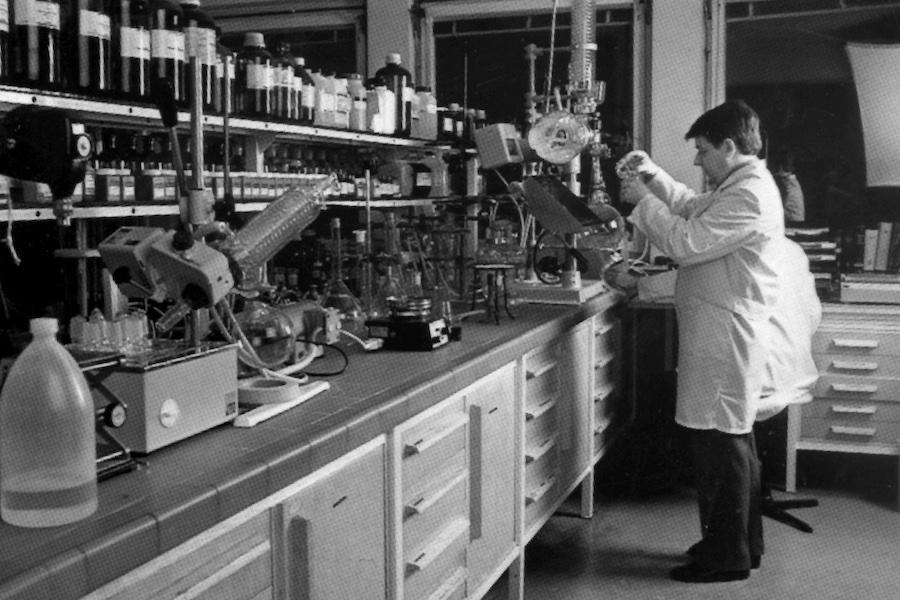
Founded in 1946 by Otto Mecheels as a research institute for the textile industry and clothing physiology, Hohenstein has combined scientific research with practical application from the very beginning. © Hohenstein


In 1962, Jürgen Mecheels took over the management of the institute. During this period, Hohenstein developed new testing methods and became a central hub connecting textiles, microbiology and consumer protection. A major milestone followed in 1992, when Hohenstein, as a founding member of OEKO-TEX®, helped set important benchmarks for safe and more sustainable textiles.
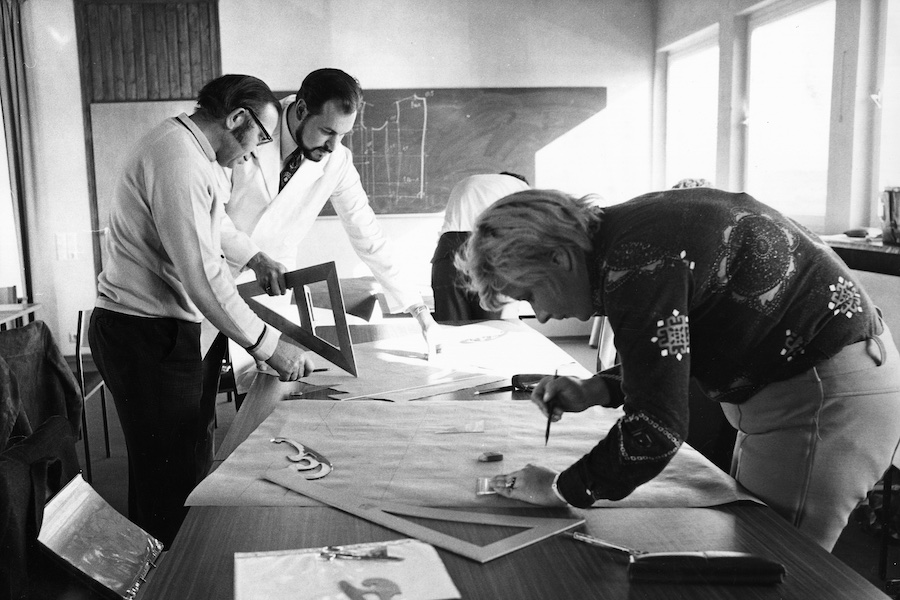
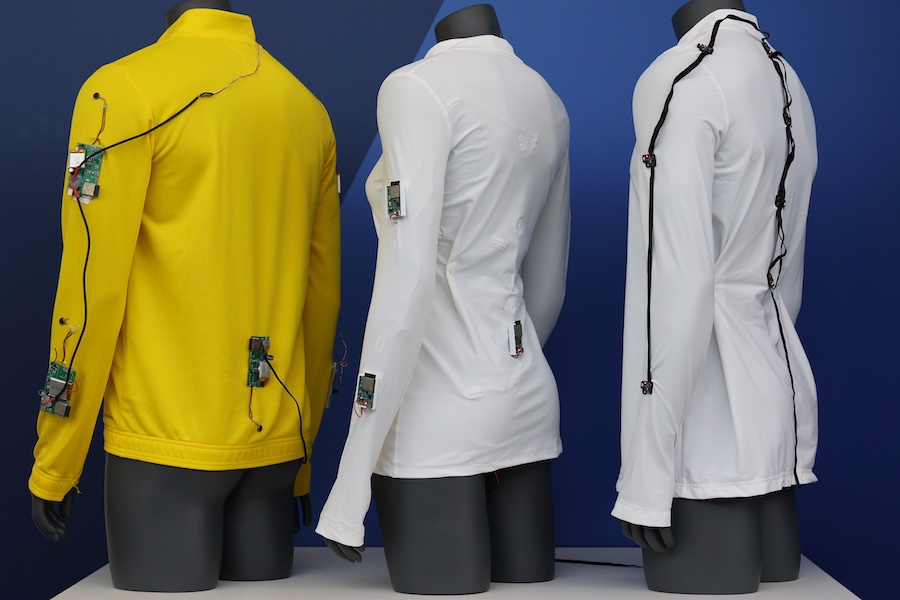
With its first series measurements for body size charts, Hohenstein laid the foundation for its fit expertise. Through pattern services, fit testing and sizing solutions, the company ensures that garments achieve an optimal fit. © Hohenstein


A Period of Dynamic Change

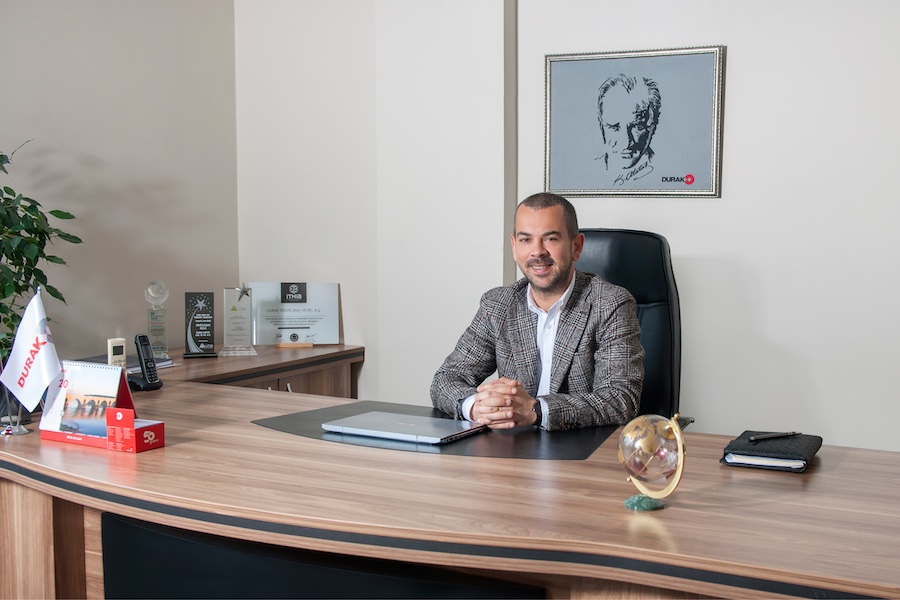
In 1995, under the leadership of Stefan Mecheels, Hohenstein began its consistent international expansion. New laboratories in Hong Kong, India and Bangladesh extended the global network. At the same time, the Hohenstein Academy evolved into an established provider of professional training and education. Today, the company is managed by two external CEOs, supported by a family advisory board. “In 2025, I deliberately entrusted the management of Hohenstein to people whom my family and I deeply trust,” explains Stefan Mecheels. “Even after 80 years, Hohenstein therefore stands for continuity and responsibility – while at the same time embracing fresh momentum and innovation.”

Diversification for Global Success

Under the leadership of Stefan Droste and Timo Hammer, Hohenstein has strategically expanded its portfolio. Alongside textiles, hardlines and medical devices have become key areas of Hohenstein’s testing expertise. In the modern hardlines laboratories, products such as toys, frying pans, and suitcases are tested. The medical devices division is certified according to recognized GLP standards (Good Laboratory Practice) and underscores Hohenstein’s high quality standards.

The portfolio is further complemented by the Apparel Fit Solutions division, which combines innovative 3D technologies with classical expertise to provide customers with optimal fit and perfect cut. In this way, Hohenstein individually supports its clients from testing through certification to market launch – ensuring safe and reliable products worldwide. “For us, excellence means more than simply meeting standards,” says CEO Stefan Droste. “Our testing and certifications build trust – both among our partners and among the people who use the products.” Accordingly, Hohenstein is actively involved in the OEKO-TEX® Association, standardization committees, the development of new testing methods, and the research of sustainable processes.

Hohenstein’s Apparel Fit Solutions team combines years of fit and pattern expertise with cutting-edge 3D technology to support clients individually. © Hohenstein


Setting New Standards

With a global network in more than 50 countries, state-of-the-art laboratories and short turnaround times, Hohenstein will continue to support companies in bringing products to market reliably, more sustainably and safely. Today, more than 1,500 employees work for the testing and research service provider worldwide. “We are continuously evolving – both technologically and as an organization,” emphasizes CEO Timo Hammer. “Care and integrity form the foundation of our daily work. Our success in the medical devices and hardlines sectors demonstrates the value of our interdisciplinary expertise. Our ambition goes beyond technical excellence: we take responsibility – for tested products, for their users and for a future that concerns us all.”

Hohenstein at a Glance

  • 1,500+ employees worldwide
  • Accredited testing laboratories in 6 countries
  • 1992 Co-founder of OEKO-TEX®
  • Founded in 1946
  • 650+ employees at headquarters in Germany
  • Representative offices in 50+ countries
  • 10.000+ OEKO-TEX® MADE IN GREEN Labels
  • 80 years of expertise


More News from Hohenstein Institute

#Research & Development

New DIN SPEC assesses environmental impact of textile fragments in soil

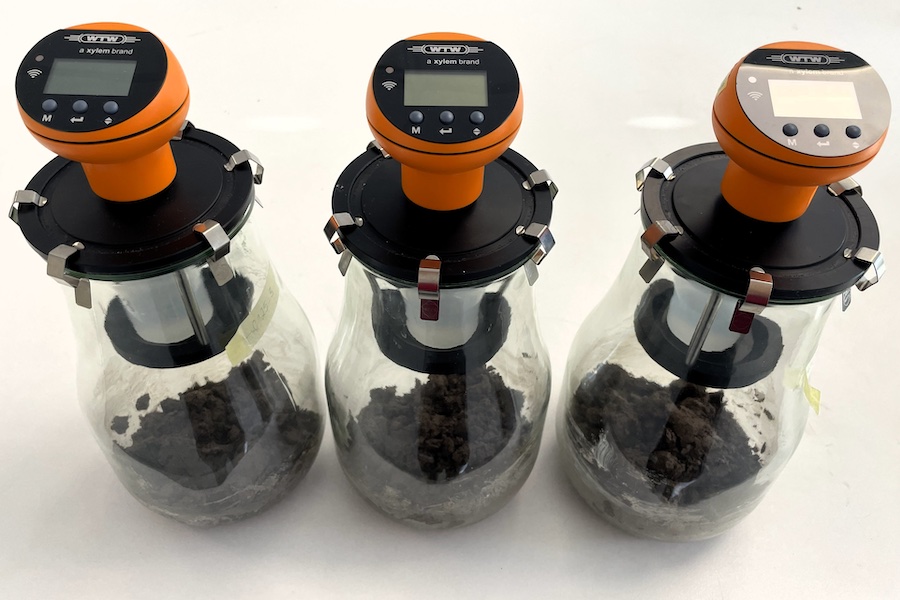
Textile products made from synthetic fibres, finished fabrics or dyed materials release fibre fragments into the environment at every stage of their life cycle. With the new DIN SPEC 19296, Hohenstein has developed a standardised testing method to analyse how these fragments behave in soil under natural conditions. Until now, little was known about their environmental behaviour or potential ecological effects once released.

#Research & Development

A smarter way to verified Chemical Compliance

Hohenstein and GoBlu Drive Innovation in Sustainable Supply Chain Management As regulatory demands, customer expectations, and sustainability goals continue to grow, the ability to manage chemical compliance and data across complex supply chains has become critical. Hohenstein and The BHive® by GoBlu are initiating a strategic partnership to enhance chemical management in the textile sector. The collaboration delivers more than just a service – it provides an integrated, future-ready solution for brands, manufacturers and suppliers seeking trusted chemical management and credible sustainability.

#Research & Development

Hohenstein achieves GLP Certification for Medical Device Testing

Since the middle of July, the testing service provider Hohenstein has been certified to conduct medical device testing in accordance with the internationally recognised Good Laboratory Practice (GLP) standard. This certification comprehensively covers chemical, physical and biological safety testing of medical devices.

#Research & Development

Hohenstein supports Global Textile Scheme Initiative

Global testing and research provider Hohenstein has acquired shares in Global Textile Scheme GmbH (GTS). In this way, Hohenstein aims to support GTS in harmonizing and automating data exchange along the entire supply chain. The aim of the GTS initiative is to create an international standard for handling structured product data in the textile and apparel industry.

More News on Research & Development

#Research & Development

Textile cascade filter for removing microplastics from wastewater

Microplastics are now found almost everywhere, even in remote regions of Antarctica. They enter the human body through the food chain. Studies indicate that microplastics may have negative effects on the human health.

#Research & Development

Fraunhofer IAP paves the way for "Green" carbon fibers

A new pilot plant in Guben is set to enable the production of bio-based carbon fibers. The plant is part of the Carbon Lab Factory Lausitz and will make an important contribution to the transformation of the Lausitz region—from a traditionally raw material- and basic industry-oriented region to a hub for innovative high-performance materials. The German federal government and the state of Brandenburg are providing the Fraunhofer Institute for Applied Polymer Research IAP with 53.3 million euros for this purpose.

#Research & Development

Hof University develops sustainable textile coating for the fashion of tomorrow from mushrooms

Clothing is often treated as disposable: T-shirts for events, general merchandise, or short-term campaigns frequently end up in the trash after only a few uses. This is particularly problematic given that their production still largely relies on fossil-based materials. This is precisely where a new research project at Hof University of Applied Sciences comes in.

#Research & Development

Textilfabrik 7.0 launched: Mönchengladbach becomes a real-world lab for sustainable textile production

With the official kick-off event of the Textilfabrik 7.0 (T7), a major transformation project for the German textile and apparel industry has been launched in the Monforts Quarter in Mönchengladbach. At the “Textile Roundtable,” an event format organized by the Zukunftsagentur Rheinisches Revier, representatives from industry, research, politics, and the regional economy came together to jointly lay the foundation for CO₂-neutral, circular, and economically viable textile production in Germany.

Latest News

#Raw Materials

New study shows low environmental impact by Cotton made in Africa Organic Cotton from Tanzania

Today, the Aid by Trade Foundation (AbTF) is announcing the results of a comprehensive life-cycle analysis (LCA) for cotton produced in Tanzania under the Cotton made in Africa Organic (CmiA Organic) standard. The study emphasises the small ecological footprint of CmiA Organic verified cotton. This can largely be traced back to the absence of synthetic pesticides, artificial fertilisers, and artificial irrigation. Consequently, CmiA Organic cotton can help the textile industry meet regulatory requirements as well as science-based targets. The results also show that the consequences of climate change threaten the livelihoods of these cotton farmers, even though the type of agriculture they practise barely contributes to climate change.

#Raw Materials

Better Cotton Initiative strengthens regenerative focus in standard update

The Better Cotton Initiative (BCI) has strengthened the regenerative focus of its field-level standard with the launch of a new version of its Principles & Criteria (P&C), which marks the next step in the organisation’s journey to becoming a regenerative standards system.

#Man-Made Fibers

Selenis and Kintra Fibers partner to scale 100% bio-based synthetic fiber technology

Selenis, a leading global specialty polyester manufacturer, today announced a strategic manufacturing partnership with materials science company Kintra Fibers to scale Kintra’s patented fiber-grade PBS resin - a 100% bio-based and biodegradable material designed for textile applications.

#Functional Fabrics

PERFORMANCE DAYS proves its relevance as the industry’s key meeting point

Held on March 18–19, 2026, PERFORMANCE DAYS once again confirmed its position as a leading international platform for functional textiles. A total of 3.366 trade visitors and around 560 exhibitors gathered in Munich, with the event already kicking off successfully on DAY 0, which received highly positive feedback for its interactive format. Despite challenging conditions caused by the public transport strike in Munich, the event saw strong attendance and a consistently high level of activity across both exhibition days.

TOP