[pageLogInLogOut]

#Spinning

High-quality fiber and yarn production solutions for highest demands in technical textiles
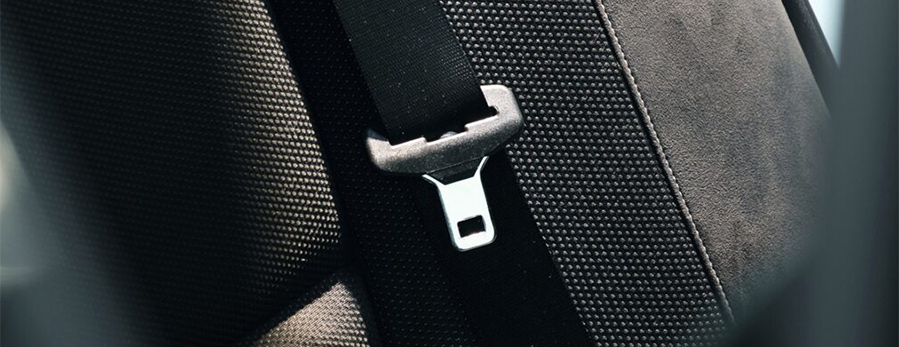
In accidents, the number one lifesaver is not the vehicle's body work or the airbag, but the seat belt. It holds the vehicle occupants firmly in position and thus enables other protective technologies to unfold their full function.© 2023 Oerlikon
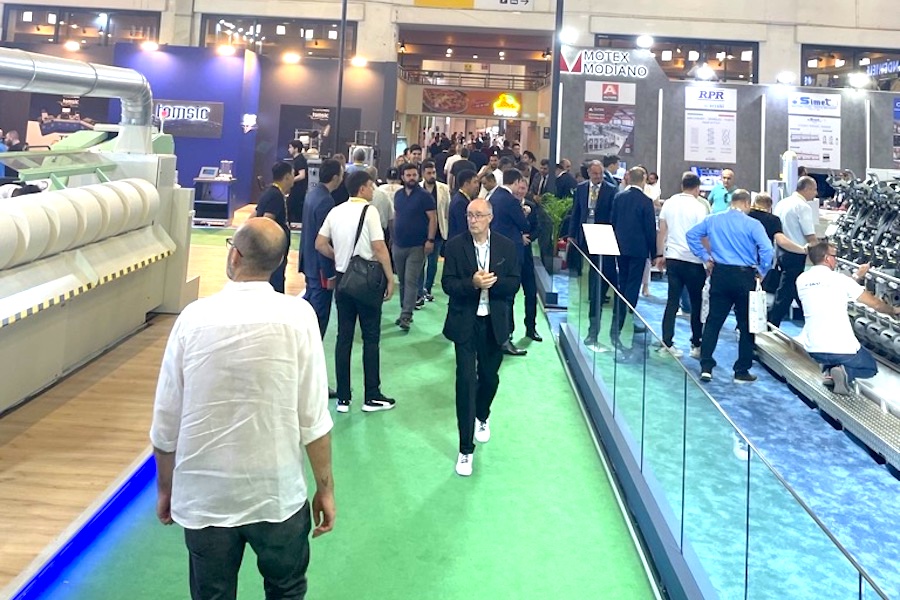
At this year’s Techtextil India, the Polymer Processing Solutions Division of the Swiss Oerlikon group will be presenting the trade audience with new applications, special processes and sustainable solutions focusing on the production of industrial textiles. Between September 9 and 12, the discussions at Jio World Convention Centre (JWCC), Mumbai, Pavilion 3, H32 will be concentrating on airbags, seat belts, tire cord, geotextiles, filter nonwovens and their diverse applications.

More polyester for airbags 

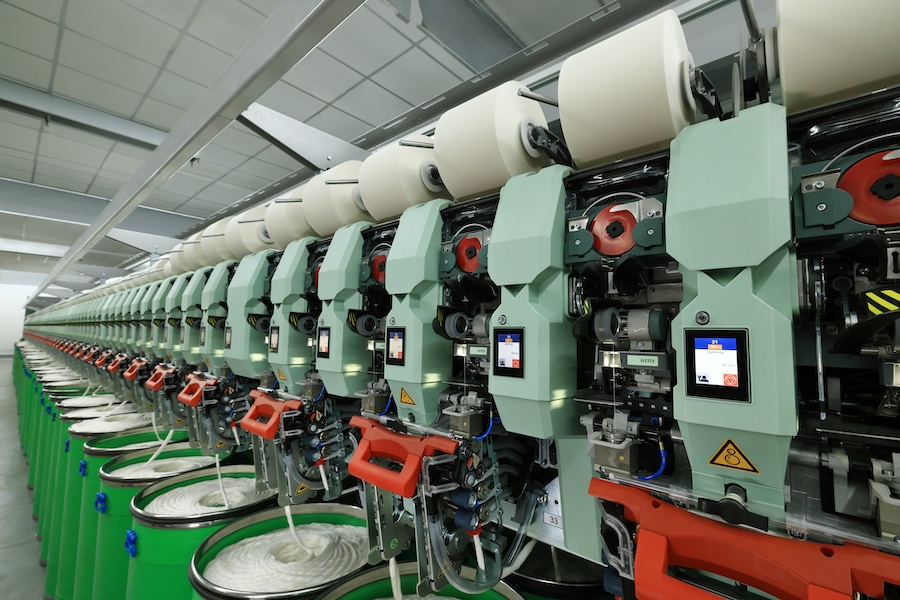
Airbags have become an integral part of our everyday automotive lives. The yarns used in them are made predominantly from polyamide. As a result of increasingly diverse airbag applications and also the increasing size of the systems used, polyester is today used as well, depending on the application requirements and cost-benefit considerations. Against this background, the Oerlikon Barmag technol-ogies make an invaluable contribution. In addition to high productivity and low energy consumption, they particularly excel in terms of their stable production processes. Furthermore, they comply with every high quality standard for airbags, which – as in the case of virtually all other textile products used in vehicle construction – must provide the highest level of safety for vehicle occupants. And all this without any loss of function in any climate and anywhere in the world for the lifetime of the vehicle. 


Buckle up! 

Seat belts play a decisive role in protecting vehicle occupants. They have to withstand tensile forces in excess of three tons and simultaneously stretch in a controlled manner in emergencies in order to reduce the load in the event of impact. A seat belt comprises approximately 300 filament yarns, whose individual, high-tenacity yarn threads are spun from around 100 individual filaments. “With our unique, patented Single Filament Layer Technology, we offer a sophisticated and simultaneously gentle high-tenacity (HT) yarn process for manufacturing these lifesavers and other applications made from industrial yarn”, explains André Wissenberg, Head of Marketing.


Invisible, but essential – road reinforcement using geotextiles 

But it not just inside vehicles, but also under them, that industrial yarns reveal their strengths. Low stretch, ultra-high tenacity, high rigidity – industrial yarns offer outstanding properties for the demand-ing tasks carried out by geotextiles; for instance, as geogrids in the base course system under asphalt. Normally, geotextiles have extremely high yarn titers of up to 24,000 denier. Oerlikon Barmag system concepts simultaneously manufacture three filament yarns of 6,000 denier each. Due to the high spinning titers, fewer yarns can be plied together to the required geo-yarn titer in a more cost- and energy-efficient manner. 


hycuTEC – technological quantum leap for filter media 

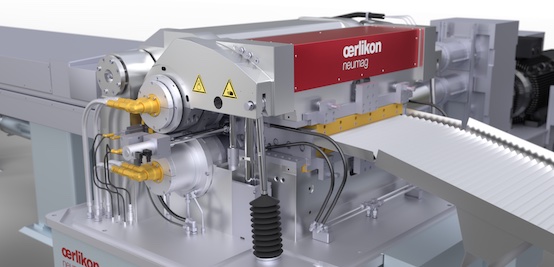
In the case of its hycuTEC hydro-charging solution, Oerlikon Neumag offers a new technology for charging nonwovens that increases filter efficiency to more than 99.99%. For meltblown producers, this means material savings of 30% with significantly superior filter performance. For end users, the consequence is noticeably improved comfort resulting from significantly reduced breathing resistance. With its considerably lower water and energy consumption, this new development is also a future-proof, sustainable technology.


The organizer Messe Frankfurt India is honoured to receive once again the much valued support from the Ministry of Textiles, Government of India for the 9th edition of the show. This support from the Ministry of textiles further demonstrates the huge emphasis laid for this key sector in boosting the economy of the country given the enormous scope to grow rapidly apart from the remarkable opportunities present to do business in India.


More News from Oerlikon Textile GmbH & Co. KG

#Nonwovens / Technical Textiles

Crimper repair workshop begins operations

Since the beginning of the year, Oerlikon Textile Inc. has been offering a crimper repair service, making it the company's first location worldwide to do so. The workshop in Charlotte specializes primarily in Fleissner and Neumag crimpers.

#Spinning

Oerlikon Manmade Fibers Solutions hosted successful Technology Day 2025 in India

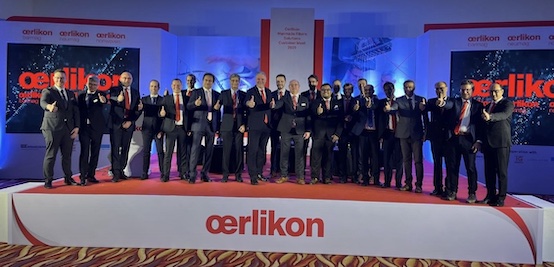
Oerlikon Manmade Fibers Solutions recently hosted its highly anticipated Innovation and Technology Day at the Deltin Hotel in Daman by end of January 2025. The event attracted over 300 participants, including industry experts, partners, and stakeholders, who gathered to explore the latest advancements and trends in the manmade fibers industry in India.

#Spinning

Industrial yarn producer sees growth potential in tire cord sector

The Chinese Junma Group has expanded its HMLS capacities by 20 positions, hence becoming one of the largest tire cord manufacturers in China. At present, the company has 64 positions of HMLS systems, all of which are from Oerlikon Barmag.

#Spinning

Oerlikon reports third quarter 2024 results, highlights strong execution in a challenging market landscape

In the third quarter of 2024, Oerlikon reported a stable operational Group EBITDA margin, despite challenging market conditions, thanks to a focus on pricing, cost management, and efficiency across both divisions. Group order intake saw a 4% year-over-year decline at constant FX, attributed to temporary market softness in Surface Solutions, while orders in Polymer Processing Solutions showed signs of stabilization.

More News on Spinning

#Spinning

Rieter responds to higher raw material prices

Global political and economic developments have been leading to rising raw material and energy costs for some time. The textile machinery industry is also affected by this trend. Rieter machines and components consist to a large extent of steel, copper, aluminum and electronics. These materials in particular have seen higher demand and higher prices in recent months.

#ITM 2026

The hub of smart and sustainable transformation in yarn technologies: ITM 2026

With global fiber production projected to reach 169 million tons by 2030, yarn manufacturing is becoming one of the most strategic fields within the textile machinery industry. Located in Halls 6, 7, and 10, the Yarn Hall at ITM 2026 is set to bring together industry professionals with innovative solutions developed around automation, energy efficiency, digitalization, and circular production.

#Spinning

Barmag: DTY efficiency for the future of fancy yarns

Fancy yarns continue to gain importance in the textile market: Whether in fashion, home textiles or the automotive industry - the trend towards individuality is fueling the demand for textured, haptically differentiated and at the same time comfortable yarns.”

#Spinning

Perfect quality through collaboration: Machinery from Trützschler, Toyota and Murata at Zirve Tekstil

In today’s textile industry, excellence is not achieved by chance – it’s the result of deliberate decisions, technical expertise, and the courage to go beyond conventional paths. The Turkish company Zirve Tekstil has done just that: by combining the best technologies from Trützschler, Toyota and Murata, they’ve created a production setup that delivers outstanding yarn quality – recognized worldwide.

Latest News

#Recycling / Circular Economy

Circulose restarts commercial-scale production at Ortviken plant in Sundsvall

Circulose today announced the restart of its commercial-scale production plant at Ortviken in Sundsvall, Sweden, marking a significant step in scaling next-generation materials for the global fashion industry. The company plans to resume production of CIRCULOSE®, a recycled pulp made entirely from discarded cotton textiles, in the fourth quarter of 2026.

#Textiles & Apparel / Garment

VIATT 2026 to debut German Pavilion, strengthening European participation alongside key Asian textile hubs

Vietnam’s textile and garment sector continues to be a major contributor to the country’s economic growth, with export revenues expected to reach USD 46 billion in 2025, a 5.6% increase from 2024 . From 26 – 28 February, the Vietnam International Trade Fair for Apparel, Textiles and Textile Technologies (VIATT) is set to contribute to economic growth opportunities by accelerating digital transformation and green transition across the entire textile value chain. The upcoming edition will respond to the rising demand for advanced technologies and sustainable materials with the introduction of the German Pavilion, alongside strong exhibitor participation from key Asian sectors, as well as several high-profile fringe events.

#Sustainability

Ying McGuire becomes new CEO of Cascale

Cascale today announced the appointment of Ying McGuire as Chief Executive Officer, effective June 1, 2026.

#Technical Textiles

Sustainable, lightweight, and sound absorbing: Polyester-based front trunk solution for BEVs

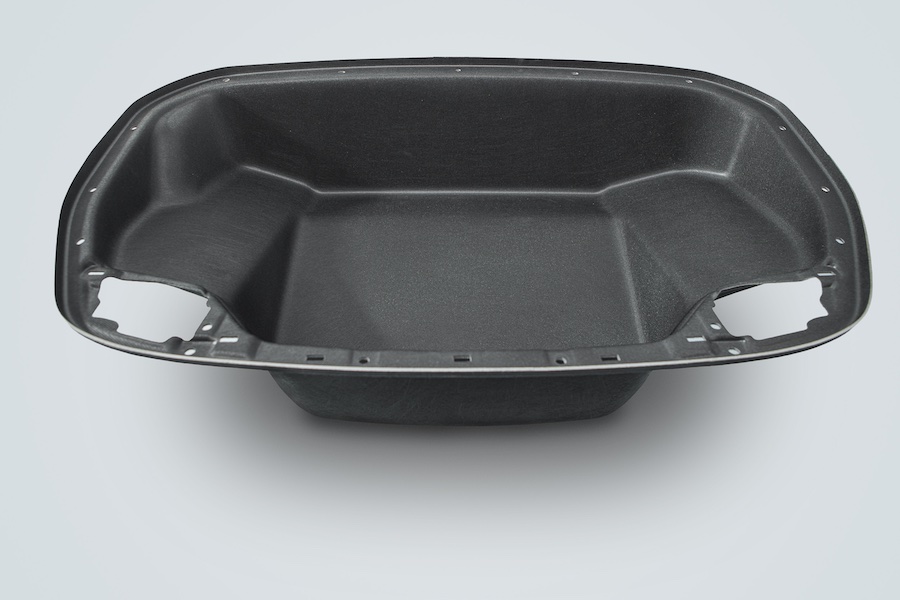
As car manufacturers look to further reduce their carbon footprint, Autoneum has developed an innovative front trunk solution for battery electric vehicles (BEVs), made entirely from polyester-based textile. The Ultra-Silent Frunk offers significant weight reduction, improved acoustic and thermal insulation, and uses up to 70 percent recycled material, supporting sustainable and efficient vehicle design. Autoneum, global technology leader in acoustic and thermal management for vehicles, has already received orders for the new frunk from three major OEMs in Asia and Europe to be built in three BEV models. Series production for two BEVs has been underway in China and Germany since last year.

TOP