[pageLogInLogOut]

#Spinning

From waste to value: State-of-the-art TRUECYCLED installations in India

Demand for recycled yarn is growing. And the number of TRUECYCLED installations in India is growing too! More and more future-facing companies are driving progress toward a more sustainable textiles industry by producing high-quality yarn from waste – through specialized equipment and process know-how from Trützschler.


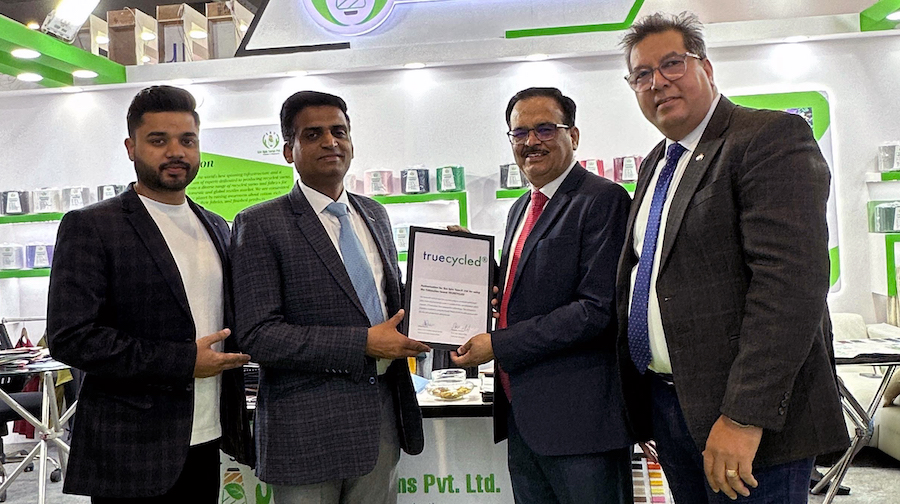
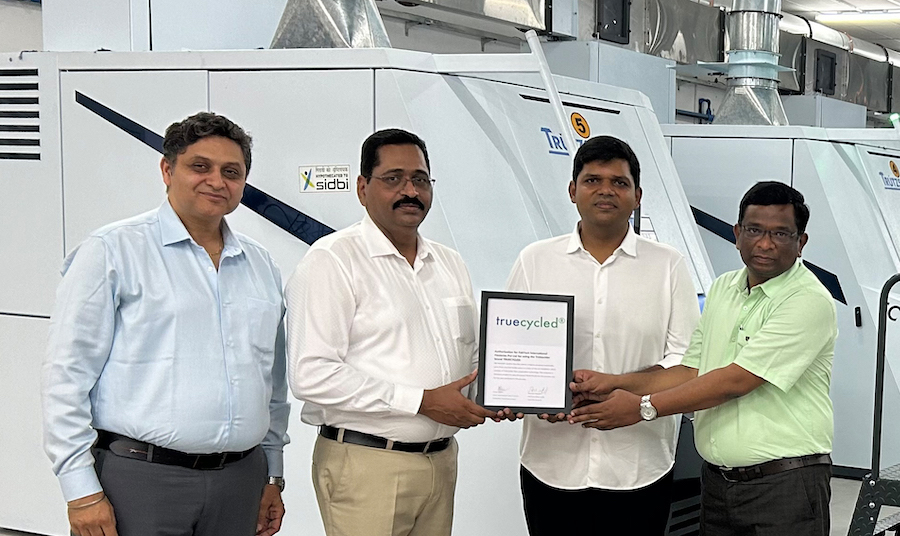
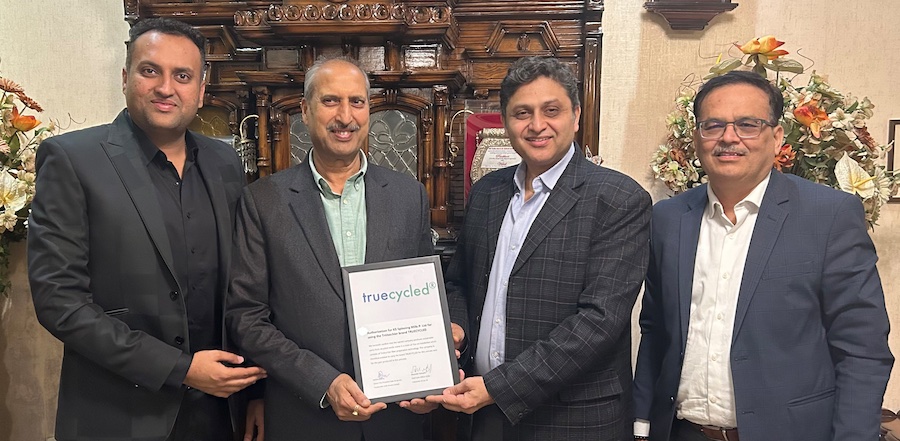
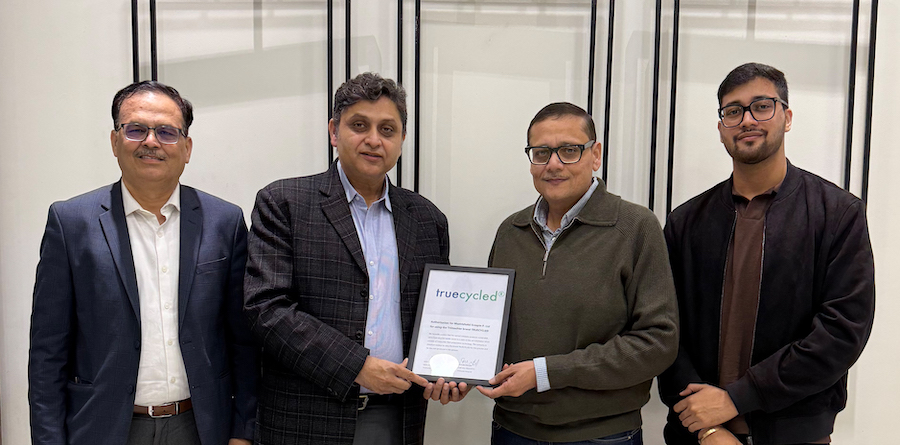
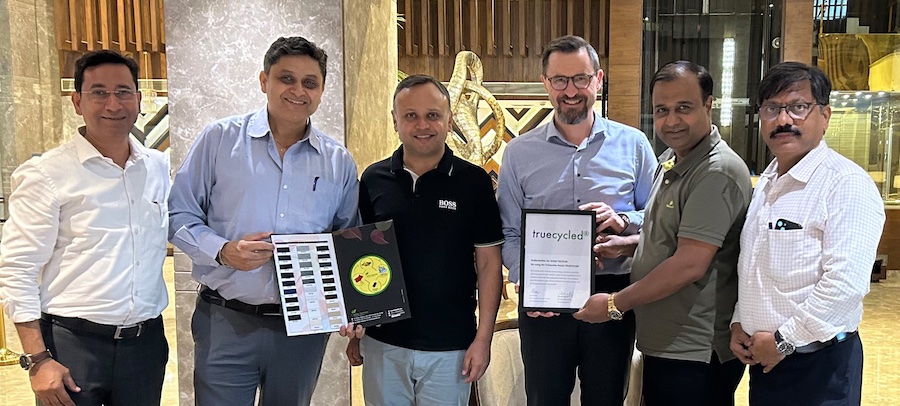
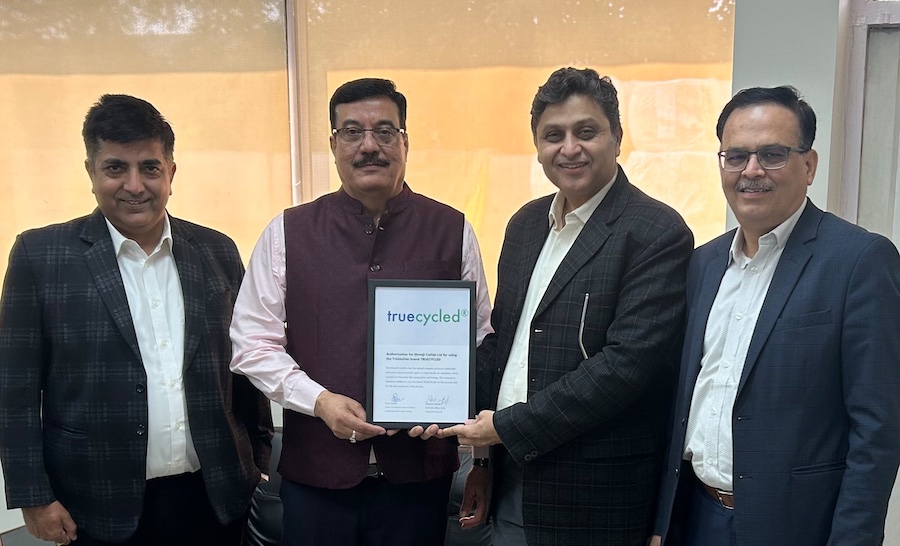
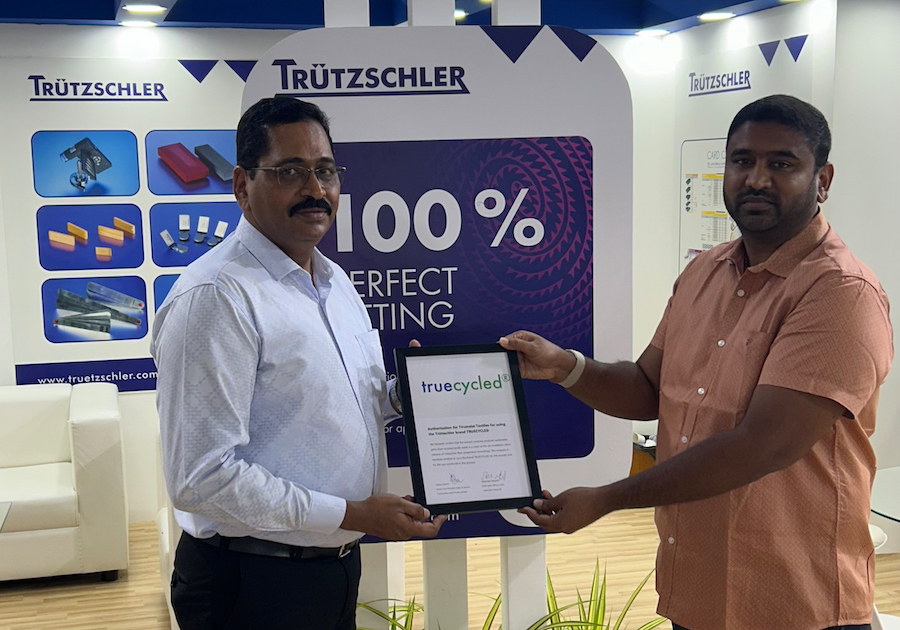
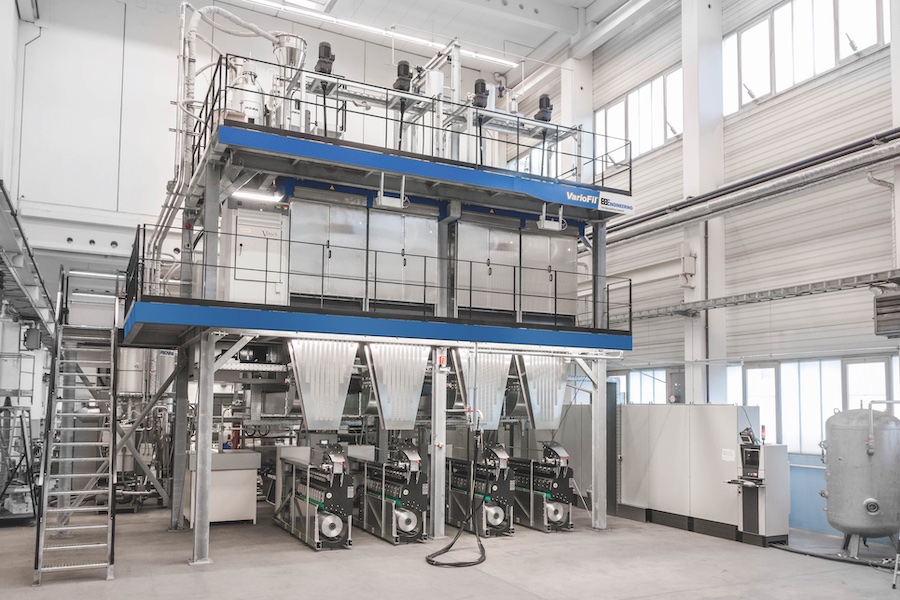
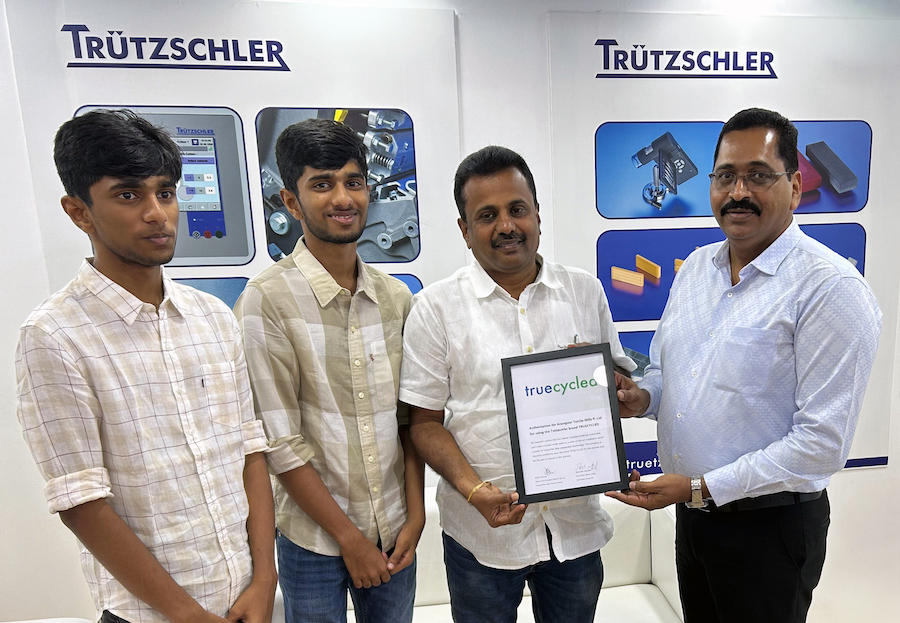
TRUECYCLED is Trützschler’s complete solution for state-of-the-art recycling of pre-consumer and post-consumer textile waste. It encompasses all process steps – from cutting and tearing textile waste through to carding and drawing secondary fibers. Last but not least, Trützschler’s technological expertise enables partner companies to produce recycled yarns with the best possible quality from hard textile waste. In India, USHA YARN was awarded as the first TRUECYCLED reference customer in 2023. Now we celebrated ten more reference customers. This big milestone demonstrates that TRUECYCLED is gaining traction in India, where demand for recycled yarn is growing rapidly.

A community of committed companies

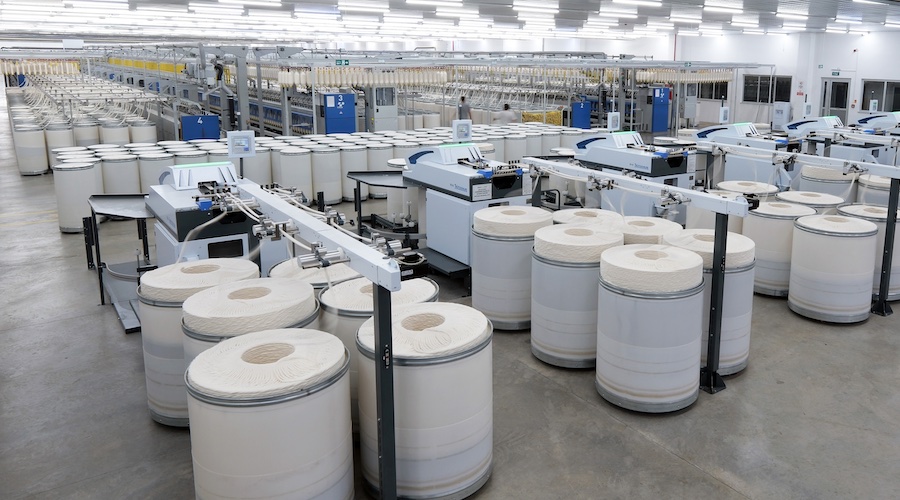
Our TRUECYCLED pioneers in India are taking action to promote more sustainable, circular value chains in the textile industry. Their yarns contain a substantial amount of textile hard waste, manufactured in a line of Trützschler machinery configured specifically for recycling. For example, all use the T-BLEND blow room line and Trützschler carding machines. This setup is the prerequisite for their market success. Aravind Prabhu, Joint Managing Director of Sri Velayudhaswami Spinning Mills, says: “By using Trützschler’s innovative T-Blend system for recycling, we are able to meet high expectations for export quality.”

Anangoor Textile Mills (based in Kangayam): Produces 30 tons of blended open-end yarn (Ne 20 to Ne 40) per day, using more than 50 percent raw materials from pre-consumer waste © 2025 Trützschler


Eco spin yarn (based in Derabassi): Specialized in 100 percent cotton and poly-cotton blended yarn. This company produces 18 tons of recycled yarn (Ne 10 to Ne 40) per day. It mainly uses 100 percent pre-consumer waste for cotton and up to 20 percent rPET fibers for poly-cotton blends © 2025 Trützschler


Fabtech International Hosieries (based in Tirupur): Manufactures 8 tons of blended open-end yarn (Ne 20 to Ne 40) per day, using more than 50 percent raw materials from pre-consumer waste © 2025 Trützschler


KS Spinning Mills (based in Panipat): Specializing in cotton and poly-cotton blended yarns with a capacity of 36 tons per day, this company produces a wide range of recycled open-end yarns from Ne 1 to Ne 40. For cotton yarn, the company uses 100 percent raw materials from pre-consumer waste. Poly-cotton blended yarns are produced with a blend of up to 20 percent recycled polyester and up to 80 percent pre-consumer waste © 2025 Trützschler


Maatrishakti Cotspin (based in Panipat): An open-end yarn expert, manufacturing 18 tons of cotton and poly-cotton blends per day (Ne 10 to Ne 40), using 70 to 80 percent raw materials from pre-consumer waste © 2025 Trützschler


Oasis Textiles (based in Derabassi): Each day, this producer makes 36 tons of recycled yarn – using more than 70 percent raw material from pre-consumer waste (Ne 10 to Ne 40) © 2025 Trützschler


Shreeji Cotfab (based in Neemarana): Produces 18 tons per day of open-end yarn made from cotton and poly-cotton blends (Ne 10 to Ne 30), primarily using more than 70 percent of recycled materials © 2025 Trützschler


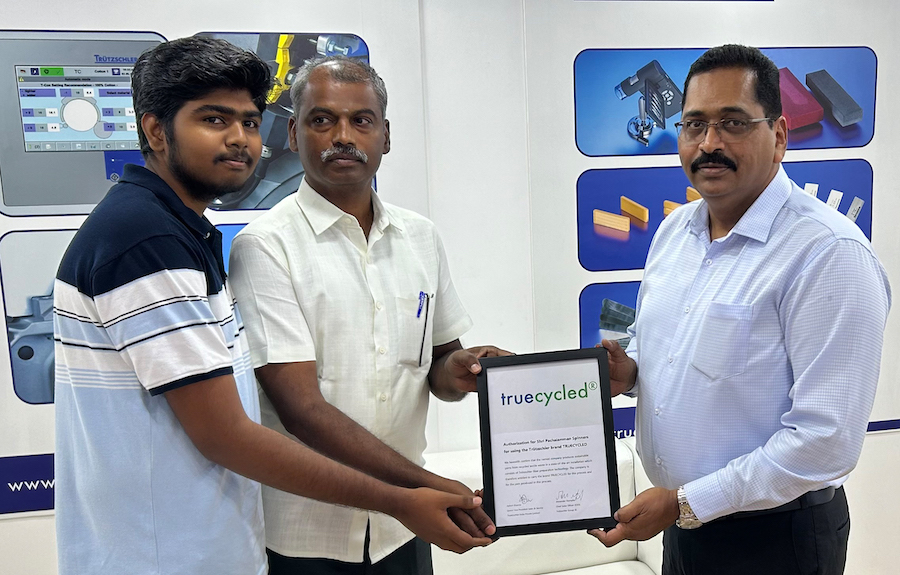
Shri Pachaiamman Spinners (based in Coimbatore): Turns more than 50 percent pre-consumer waste into hosiery yarn (Ne 10 to 30), producing 13 tons per day and using 100 percent recycled materials © 2025 Trützschler


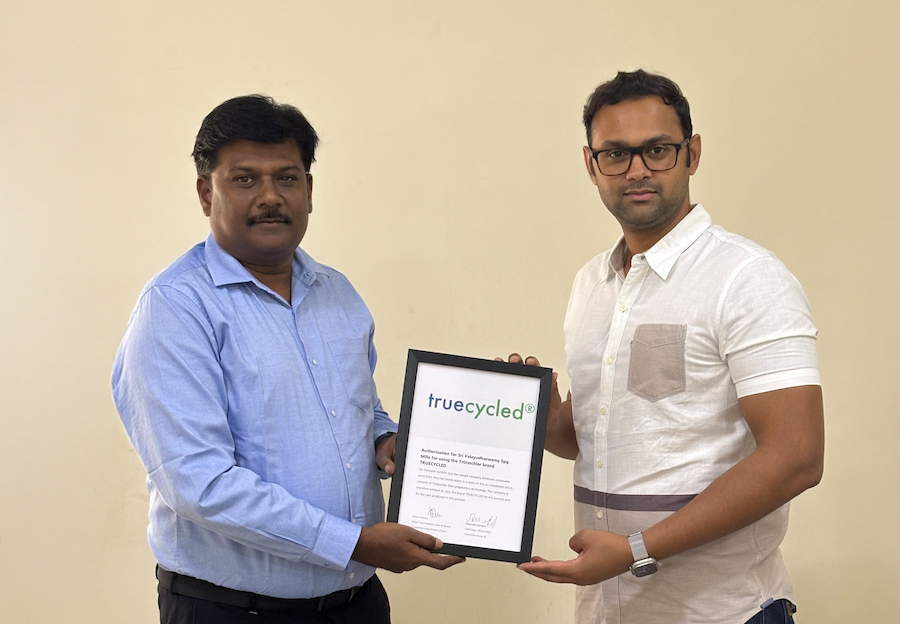
Sri Velayudhaswamy Spinning Mills (based in Dindigul): This customer produces 14 tons of recycled yarn (Ne 20 to Ne 40) per day from a blend of recycled cotton and polyester, using more than 50 percent pre-consumer waste © 2025 Trützschler


Tirumalai Textiles (based in Coimbatore): Using more than 50 percent of pre-consumer waste, this manufacturer produces 17.5 tons of open-end yarn (Ne 10 to Ne 30) per day for weaving and hosiery applications © 2025 Trützschler


Expanding worldwide

The TRUECYCLED installations in India join a growing group of companies around the globe that is recognizing the advantage of Trützschler solutions for textile recycling. This includes Trützschler customers in Türkiye as well as across Europe. Looking ahead, experts at Trützschler are striving to further expand the number of TRUECYCLED reference customers worldwide. Together, we can unlock maximum value from textile waste by leveraging the power of state-of-the-art machinery – and producing high-quality yarn that supports a more sustainable future for this industry.


More News from Truetzschler GmbH & Co. KG

#Spinning

Perfect quality through collaboration: Machinery from Trützschler, Toyota and Murata at Zirve Tekstil

In today’s textile industry, excellence is not achieved by chance – it’s the result of deliberate decisions, technical expertise, and the courage to go beyond conventional paths. The Turkish company Zirve Tekstil has done just that: by combining the best technologies from Trützschler, Toyota and Murata, they’ve created a production setup that delivers outstanding yarn quality – recognized worldwide.

#Spinning

Details matter: How Trützschler cylinder wires boost efficiency in Pakistan’s spinning sector

Pakistan’s textile industry, especially its spinning sector, is the backbone of the national economy and a vibrant hub of innovation. Today’s spinning mills face growing demands for efficiency, quality, and sustainability. From the serene northern valleys to the vibrant port city of Karachi in the south, mills like Suraj Cotton Mills, Liberty, and Nishat Chunian are turning to advanced solutions.

#ITMA Asia + CITME Singapore 2025

T-CAN – Revolutionizing can transport

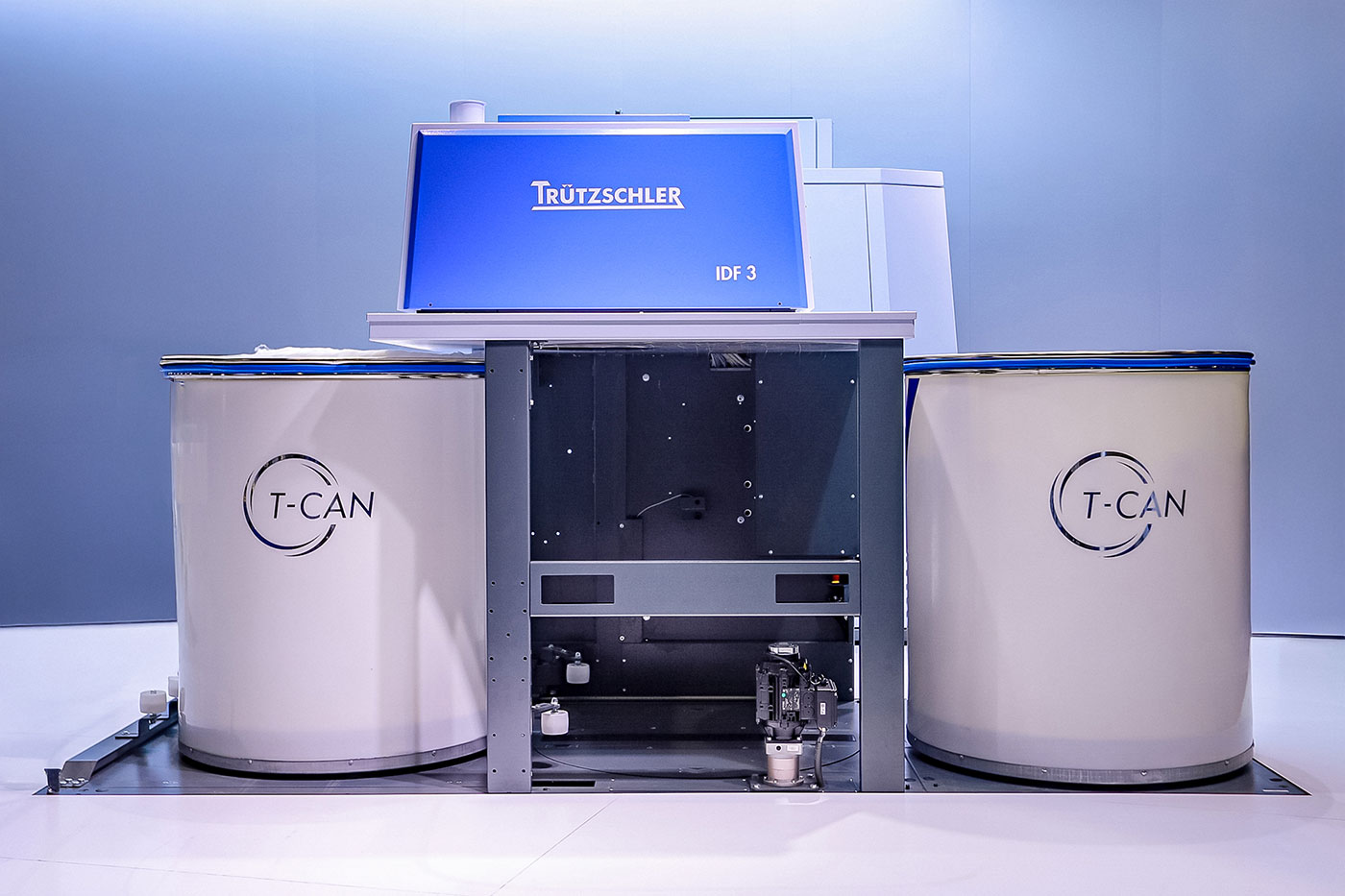
In virtually all spinning mills, transporting sliver cans is still done manually. Rising labor costs, lack of operators and increasing quality requirements make this a growing challenge. With T-CAN, Trützschler introduces a practical solution: a fully automated can transport system that will be presented live at ITMA ASIA 2025 in Singapore.

#Spinning

Pre-Cleaner CL-X: The future of cotton cleaning

What if the future of cotton cleaning was already here – setting a new standard for cleaning efficiency, productivity and energy savings? That future has a name: CL-X. Since its market launch in 2022, the Pre-Cleaner CL-X has become a true bestseller, proving its value in several hundred customer applications worldwide. Now, new results from Türkiye demonstrate again how the Pre-Cleaner CL-X outperforms the competition.

More News on Spinning

#Spinning

Rieter responds to higher raw material prices

Global political and economic developments have been leading to rising raw material and energy costs for some time. The textile machinery industry is also affected by this trend. Rieter machines and components consist to a large extent of steel, copper, aluminum and electronics. These materials in particular have seen higher demand and higher prices in recent months.

#ITM 2026

The hub of smart and sustainable transformation in yarn technologies: ITM 2026

With global fiber production projected to reach 169 million tons by 2030, yarn manufacturing is becoming one of the most strategic fields within the textile machinery industry. Located in Halls 6, 7, and 10, the Yarn Hall at ITM 2026 is set to bring together industry professionals with innovative solutions developed around automation, energy efficiency, digitalization, and circular production.

#Spinning

Barmag: DTY efficiency for the future of fancy yarns

Fancy yarns continue to gain importance in the textile market: Whether in fashion, home textiles or the automotive industry - the trend towards individuality is fueling the demand for textured, haptically differentiated and at the same time comfortable yarns.”

#Spinning

Monitor, adjust, perfect

FiberGuard BCF is the name of the new system for real-time monitoring of yarn tension in all Neumag BCF production processes. Barmag, the innovation and technology leader for filament spinning systems, presented this innovation of its Neumag product line at ITMA Asia + CITME in Singapore last November. The new BCF yarn tension sensor is compatible with all current Neumag BCF machines and can be easily retrofitted to existing Neumag BCF S8 machines.

Latest News

#Recycling / Circular Economy

Circulose restarts commercial-scale production at Ortviken plant in Sundsvall

Circulose today announced the restart of its commercial-scale production plant at Ortviken in Sundsvall, Sweden, marking a significant step in scaling next-generation materials for the global fashion industry. The company plans to resume production of CIRCULOSE®, a recycled pulp made entirely from discarded cotton textiles, in the fourth quarter of 2026.

#Textiles & Apparel / Garment

VIATT 2026 to debut German Pavilion, strengthening European participation alongside key Asian textile hubs

Vietnam’s textile and garment sector continues to be a major contributor to the country’s economic growth, with export revenues expected to reach USD 46 billion in 2025, a 5.6% increase from 2024 . From 26 – 28 February, the Vietnam International Trade Fair for Apparel, Textiles and Textile Technologies (VIATT) is set to contribute to economic growth opportunities by accelerating digital transformation and green transition across the entire textile value chain. The upcoming edition will respond to the rising demand for advanced technologies and sustainable materials with the introduction of the German Pavilion, alongside strong exhibitor participation from key Asian sectors, as well as several high-profile fringe events.

#Sustainability

Ying McGuire becomes new CEO of Cascale

Cascale today announced the appointment of Ying McGuire as Chief Executive Officer, effective June 1, 2026.

#Technical Textiles

Sustainable, lightweight, and sound absorbing: Polyester-based front trunk solution for BEVs

As car manufacturers look to further reduce their carbon footprint, Autoneum has developed an innovative front trunk solution for battery electric vehicles (BEVs), made entirely from polyester-based textile. The Ultra-Silent Frunk offers significant weight reduction, improved acoustic and thermal insulation, and uses up to 70 percent recycled material, supporting sustainable and efficient vehicle design. Autoneum, global technology leader in acoustic and thermal management for vehicles, has already received orders for the new frunk from three major OEMs in Asia and Europe to be built in three BEV models. Series production for two BEVs has been underway in China and Germany since last year.

TOP