[pageLogInLogOut]

#Sustainability

OEKO-TEX® - New regulations 2025

Fostering trust within the textile and leather industry remains the mission of OEKO-TEX®. Since trust relies on consistently high standards, the OEKO-TEX® Association has released the updated testing criteria, limit values and guidelines for its certifications, based on the latest scientific research and legal developments.

Key changes include enhanced organic cotton certification through OEKO-TEX® ORGANIC COTTON, with inclusion in OEKO-TEX® MADE IN GREEN, stricter BPA limits under OEKO-TEX® STANDARD 100 and rigorous transparency requirements for leather supply chains under OEKO-TEX® LEATHER STANDARD. The expanded OEKO-TEX® ECO PASSPORT will include commodity chemicals and biodegradability verification. The revised standards will take effect on 1st April 2025, following the transition period.

STANDARD 100: New organic cotton rule and BPA safety

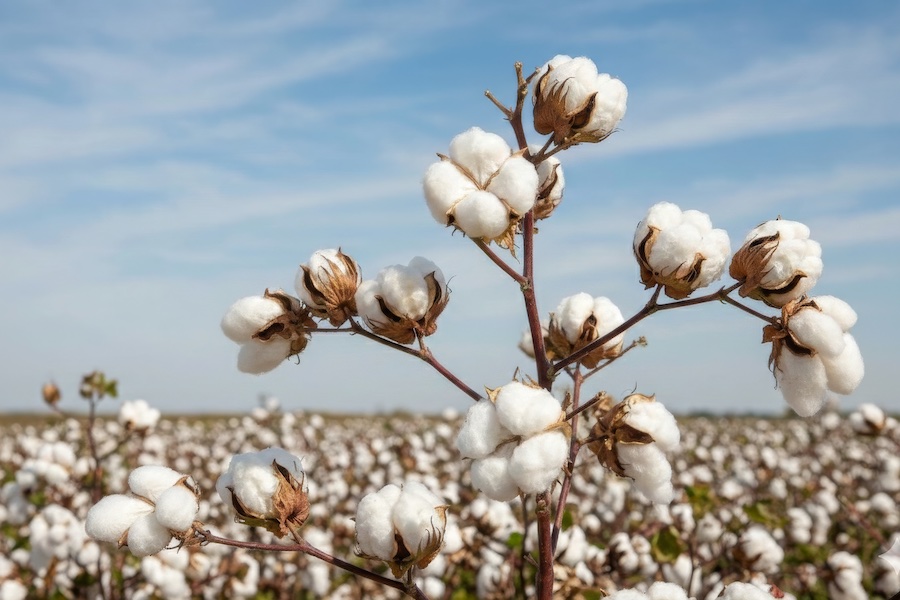
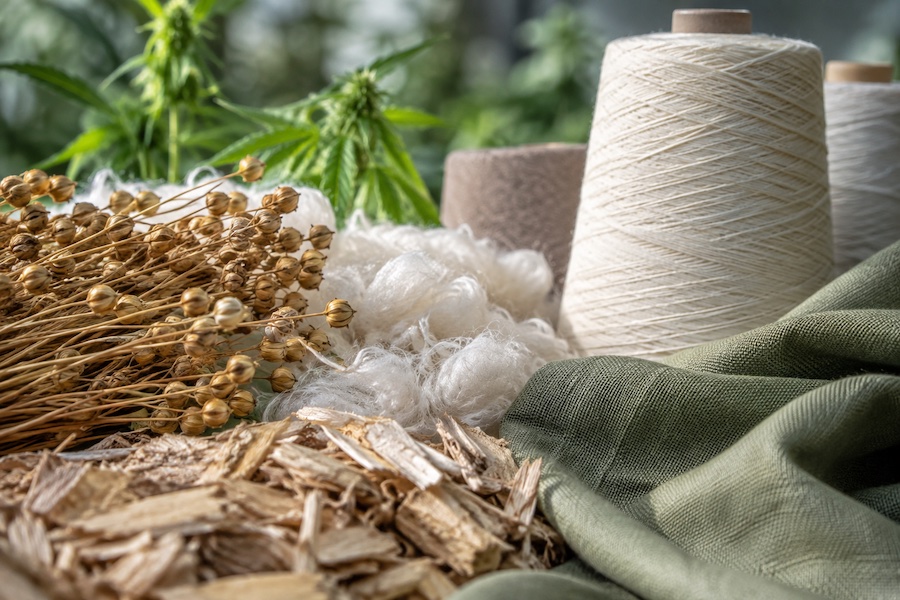
Clear communication and transparency are of great importance for the OEKO-TEX® community. Starting 1st April 2025, OEKO-TEX® STANDARD 100 certification will not include any claims of “GMO-free” or “organic” cotton in the certificate scopes. Certifying cotton as “organic” is now achievable through OEKO-TEX® ORGANIC COTTON. This decision is driven by the dedication to maintaining the highest standards of safety and compliance and was implemented to enhance oversight of certified organic cotton, an area where fraud is prevalent. OEKO-TEX® aims to certify only genuinely trustworthy organic cotton as such. This change specifically pertains to cotton materials. Other organic materials such as hemp, linen or wool remain unaffected.

After consultation with internal and external toxicologists, OEKO-TEX® reduced the limit value of Bisphenol A (BPA) from 100 to 10mg/kg. The chemical was often found in tests of textiles that are worn directly on the skin. Endocrinologists and the WHO categorize BPA as an endocrine disruptor, a substance that, if it enters the body even in small amounts, can change the hormonal system.

LEATHER STANDARD: Ahead of Europe’s Deforestation Regulation (EUDR)

As part of the European Green Deal and the 2030 EU Biodiversity Strategy, the European Commission adopted a new regulation in May 2024. One of the most significant challenges posed by the European Deforestation Regulation (EUDR) is the requirement for leather supply chain transparency. Companies must trace the origins of their leather products to ensure they do not contribute to deforestation. The EUDR was supposed to come into force at the end of 2024 but was postponed by one year in November 2024. However, for hides and leather products from cattle and calves, proof of origin (e.g. delivery notes from the slaughterhouse) is required to earn OEKO-TEX® LEATHER STANDARD certification.

MADE IN GREEN: Adding ORGANIC COTTON certification option

The OEKO-TEX® MADE IN GREEN label recognises OEKO-TEX® ORGANIC COTTON as product certificate in addition to STANDARD 100 and LEATHER STANDARD. This allows companies that have their cotton products certified to combine the strengths of both OEKO-TEX® standards: supply chain traceability and verification from farm to product with responsible and safe production.

STeP: Enhanced ZDHC cooperation boosting sustainability in textiles and leather

OEKO-TEX® STeP customers are now eligible to participate in the ZDHC Supplier to Zero Programme. The collaboration between ZDHC and OEKO-TEX® aims is to empower the textile, apparel, footwear and leather industries to improve environmental impact by optimising guidelines and solutions through joint efforts. To strengthen the impact OEKO-TEX® STeP certificate holders are now eligible to participate in the ZDHC Supplier to Zero Programme. Companies can upload their STeP certificate and report to the ZDHC Supplier Platform for acknowledgement within the Supplier to Zero Programme.

ECO PASSPORT: Expanding scope and highlighting biodegradability

Starting in 2025, OEKO-TEX® ECO PASSPORT will expand its certification scope beyond chemicals specialised for textile and leather applications to include commodity and maintenance chemicals. Commodity chemicals, widely produced and used at the start of supply chains, will enable broader monitoring across the textile and leather sector. This expansion aims to phase out harmful substances earlier, enhance worker safety and prioritise environmental protection. Additionally, second-life commodity chemicals will be subject to more frequent testing to ensure quality.

ECO PASSPORT customers will be able highlight the biodegradability of their chemical products on their certificates. OEKO-TEX® considers biodegradability a key factor in sustainable textile and leather production, with greater impact the earlier it is implemented in the supply chain. Certified surfactants, softeners or complexing agents must provide proof of biodegradability, verified either by an OEKO-TEX® institute or an approved third party. Existing certified products in these categories have a one-year transition period to comply.


More News from Oeko-Tex® Association

#Sustainability

OEKO-TEX® chooses TextileGenesis to advance digital traceability for organic cotton

OEKO-TEX® today announced a full collaboration with TextileGenesis, a Lectra company, to digitally trace and authenticate organic cotton, strengthening fraud prevention across the supply chain. This announcement follows a successful pilot and brings together OEKO-TEX®’s certification expertise and closed testing system with TextileGenesis’ digital traceability platform to deliver a secure, end-to-end solution for managing certified organic cotton flows.

#Sustainability

OEKO-TEX® Annual Report 2023/2024 mentions 50,000+ valid certifications

The international OEKO-TEX® association has continued to demonstrate positive business growth, highlighting the critical role of close collaboration and shared commitment in accelerating sustainable change. More than 35,000 textile and leather companies depend on the certificates and product labels issued by OEKO-TEX®’s independent testing institutes. OEKO-TEX® issued more than 50,000 certificates and labels between July 1, 2023, and June 30, 2024 – an increase of 22% over the previous financial year.

#Sustainability

OEKO-TEX® New regulations 2024

Creating trust within the textile and leather industry and for its customers is the mission of OEKO-TEX®. Since trust is based on consistently high quality, the OEKO-TEX® Association is again publishing updates to the applicable test criteria, limit values and guidelines for its certifications. Based on new scientific findings and legal developments, the OEKO-TEX® Association has published the annual updates to its test criteria, limit values and guidelines.

More News on Sustainability

#Sustainability

A new standard to combat plastic waste in forests

With DIN SPEC 35808 “Tree Shelter for Forestry Applications,” the testing and research service provider Hohenstein, in collaboration with Rottenburg University of Forestry, as well as forestry authorities and industry partners, has established a clear framework for bio-based and fully biodegradable tree shelters. The pre-standard defines requirements and practical testing methods designed to reduce plastic waste in forests and strengthen the long-term protection of soil and the environment.

#Denim

Denim moves towards sustainability

EIM (Environmental Impact Measurement), the global reference platform for measuring the environmental impact of garment finishing, presents the second edition of its annual report Denim Industry Progress & Insights 2025. The study analyses over 100,000 real denim finishing processes, providing an accurate and up-to-date view of the industry’s evolution towards more sustainable models.

#Recycling / Circular Economy

Europe’s textile future at a turning point: New 2030 Circularity Blueprint aims to scale recycling and unlock investment opportunities

The EU textile system is at a critical crossroads. Today, less than 1% of discarded garments are recycled into new garments, despite EU-wide obligations for separate collection. In response, Global Fashion Agenda (GFA) is launching the 2030 Circularity Blueprint, in partnership with ReHubs. This ambitious initiative is designed to support the transformation of the EU textile ecosystem to advance textile-to-textile recycling and drive the transition to a circular economy.

#Sustainability

Number of GOTS-certified facilities grow 15% globally as demand for credible sustainability standards continues to strengthen

Global Organic Textile Standard (GOTS) certification continued to grow in 2025, with nearly 18,000 certified facilities worldwide, despite ongoing geopolitical uncertainty and rapidly evolving regulatory requirements across global textile supply chains.

Latest News

#INDEX 2026

INDEX 2026: Reicofil introduces RF 5.10 upgrade boosting output by 10 percent

At INDEX 2026, Reifenhäuser Reicofil will present its latest developments for the nonwovens industry under the guiding themes “Grow Together”, “Expand Together” and “Transform Together”. On this occasion, the leading manufacturer of nonwoven machinery will be unveiling two brand-new technology advancements – RF 5.10 upgrade and RF Core – at the show.

#Recycled Fibers

Lindex and BASF partner to bring textile-­to­-textile recycled polyamide to lingerie sector

Lindex has partnered with BASF’s loopamid® to accelerate textile-­to-­textile recycling and advance the shift towards more circular material solutions in the fashion industry. Together they introduce loopamid to the lingerie sector.

#Dyeing, Drying, Finishing

Tradition and Innovation – Phoenox Textiles Ltd. relies on state-of-the-art carpet back-coating line from Brückner

For more than 70 years, Phoenox Textiles Ltd. has been synonymous with quality, reliability, and inno-vation in the textile industry. Founded in 1954 in Huddersfield (Yorkshire, UK), a region with a long tradition in textiles, this family-owned business has continued to evolve without losing sight of its roots. Today, in its fourth generation under the leadership of the Mosley family, Phoenox successfully combines decades of experience with a clear, forward-looking corporate strategy.

#ITM 2026

Uster FiberQ excels for recycled raw materials too

Uster FiberQ is a complete solution for raw material utilization, supporting spinners to achieve consistent quality and profitability every day, building further growth for the future. The Turkish company ORTA relies on FiberQ with recycled yarn for its denim production. Data-driven knowledge puts the producer in control of raw material utilization – ready to make the correct decisions for process efficiency, quality and productivity.

TOP