[pageLogInLogOut]

#Sustainability

Veolia announces a major technological breakthrough, effective to achieve up to 99.9999% destruction of targeted PFAS

Veolia announces an unprecedented technological breakthrough in Europe in the fight against per- and polyfluoroalkyl substances (PFAS), commonly known as "forever chemicals." Developed in the Group’s global research centers, the patented Drop® technology enables the removal of these persistent pollutants with an efficiency rate of up to 99.9999%1 on several targeted PFAS. Veolia is currently deploying the patent across its 20 incineration lines dedicated to hazardous waste in France, Germany, Spain, Poland, United Kingdom, Switzerland, and Hungary.
Veolia’s largest PFAS treatment plant sets global standard for protecting drinking water by removing regulated PFAS from up to 30 million gallons of water per day © 2025 Veolia


This major innovation addresses one of the most complex environmental challenges of our time: the treatment and disposal of PFAS and waste that may contain PFAS. These substances, used in many industrial and domestic applications since the 1940s, are particularly difficult to treat and degrade due to their carbon-fluorine bonds, which are among the strongest in organic chemistry. Their persistence in the environment and their potential effects on human health make them a concern from both a health and industrial perspective.

To develop this unique solution, Veolia drew on its 50 years of experience in hazardous waste management in more than 40 countries. The Group, which currently holds and files the largest number of patents in the world in the field of hazardous waste treatment, innovates at every stage of the waste treatment process: analysis tailored to the specific characteristics of facilities and their operation, treatment of industrial effluents, thermal treatment, soil and groundwater remediation, and final storage.

“At a time when health expectations are rising in Europe and regulations are becoming stricter, Veolia is now able to offer a wide range of tailor-made treatments, aligned with the principles of resource regeneration and the environmental challenges faced by the industry. Thanks to our patented Drop® technology, we are proud to set a European benchmark by eliminating up to 99.9999% of targeted PFAS. As a European and global leader in hazardous waste treatment, we are fully committed to continuing, as we always have, to innovate in this field, which is as complex as it is crucial for industry and health,” says Catherine Ricou, CEO, Veolia Hazardous Waste Europe

A disruptive innovation capable of eliminating targeted PFAS while preserving the integrity of industrial facilities

The Drop® technology, thanks to a catalyst added during thermal treatments, accelerates the degradation of PFAS with the aim of mineralizing them, and eliminates the acidic gases formed during the process to transform everything into simple, non-toxic mineral substances. It also drastically reduces problems of corrosion and fouling in boilers to ensure long-term reliability of installations. Its implementation is part of the BeyondPFAS offer launched by Veolia in 2024.

Based on standardized waste containing known concentrations of several target PFAS, which are also considered Persistent Organic Pollutants (POP), introduced into the furnace at over 900°C, Veolia achieved destruction efficiencies of up to 99.9999%, whether the relevant target PFAS were non-polymeric PFAS(notably PFOA, PFOS, and PFHxS) or polymeric PFAS.

Through several testing campaigns conducted since 2022, and based on the sampling standards validated by the U.S. Environmental Protection Agency (EPA), OTM-45 and OTM-50, which allow for the analysis of semi-volatile and volatile PFAS in air at the outlet of stacks, Veolia has been able to demonstrate the performance of targeted PFAS destruction in dedicated hazardous waste incineration.

1 Destruction and Removal Efficiency (DRE) (up to 6 log) and not Destruction Efficiency (DE) (up to 4 log), notably in application of the March 2025 guidance communication


More News from Veolia

More News on Sustainability

#Sustainability

Ying McGuire becomes new CEO of Cascale

Cascale today announced the appointment of Ying McGuire as Chief Executive Officer, effective June 1, 2026.

#Sustainability

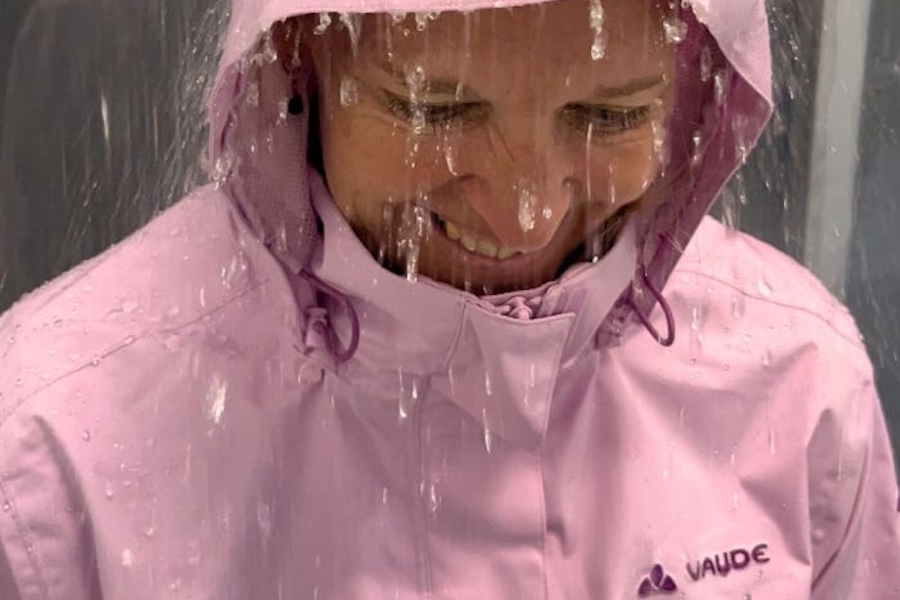
VAUDE eliminates PFAS from all products

PFAS (per- and polyfluoroalkyl substances) are now detectable worldwide – in drinking water, soil and the human body. These so-called “forever chemicals” are considered hazardous to health and potentially carcinogenic, as they do not break down and remain in the environment permanently. Despite these risks, PFAS are still used in a wide range of products. More than 15 years ago, VAUDE made a strategic decision to gradually eliminate PFAS from all product categories.

#Sustainability

OEKO-TEX® chooses TextileGenesis to advance digital traceability for organic cotton

OEKO-TEX® today announced a full collaboration with TextileGenesis, a Lectra company, to digitally trace and authenticate organic cotton, strengthening fraud prevention across the supply chain. This announcement follows a successful pilot and brings together OEKO-TEX®’s certification expertise and closed testing system with TextileGenesis’ digital traceability platform to deliver a secure, end-to-end solution for managing certified organic cotton flows.

#Europe

ICAC to support European Commission on pending PEF legislation

The International Cotton Advisory Committee (ICAC) is proud to announce that it has been included as a member of the European Commission’s Technical Advisory Board (TAB) on the Product Environmental Footprint methodology. The Commission developed the Product Environmental Footprint (PEF) to assess and communicate the life cycle environmental performance of products and organizations.

Latest News

#Recycling / Circular Economy

Circulose restarts commercial-scale production at Ortviken plant in Sundsvall

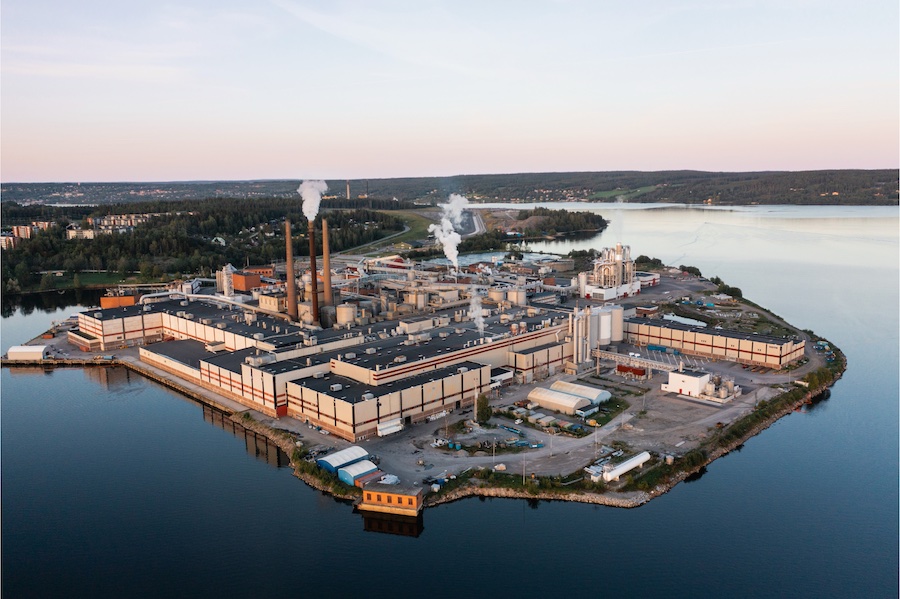
Circulose today announced the restart of its commercial-scale production plant at Ortviken in Sundsvall, Sweden, marking a significant step in scaling next-generation materials for the global fashion industry. The company plans to resume production of CIRCULOSE®, a recycled pulp made entirely from discarded cotton textiles, in the fourth quarter of 2026.

#Textiles & Apparel / Garment

VIATT 2026 to debut German Pavilion, strengthening European participation alongside key Asian textile hubs

Vietnam’s textile and garment sector continues to be a major contributor to the country’s economic growth, with export revenues expected to reach USD 46 billion in 2025, a 5.6% increase from 2024 . From 26 – 28 February, the Vietnam International Trade Fair for Apparel, Textiles and Textile Technologies (VIATT) is set to contribute to economic growth opportunities by accelerating digital transformation and green transition across the entire textile value chain. The upcoming edition will respond to the rising demand for advanced technologies and sustainable materials with the introduction of the German Pavilion, alongside strong exhibitor participation from key Asian sectors, as well as several high-profile fringe events.

#Technical Textiles

Sustainable, lightweight, and sound absorbing: Polyester-based front trunk solution for BEVs

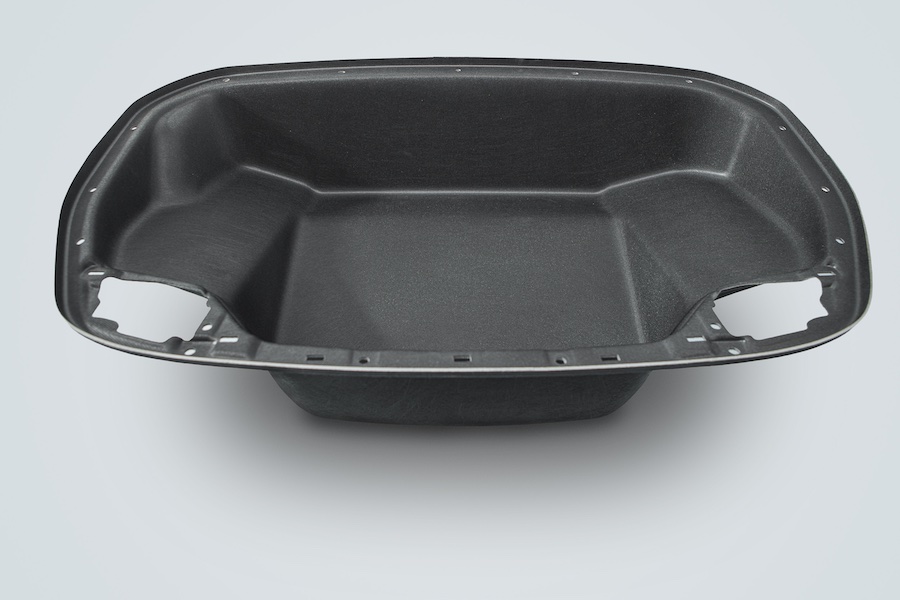
As car manufacturers look to further reduce their carbon footprint, Autoneum has developed an innovative front trunk solution for battery electric vehicles (BEVs), made entirely from polyester-based textile. The Ultra-Silent Frunk offers significant weight reduction, improved acoustic and thermal insulation, and uses up to 70 percent recycled material, supporting sustainable and efficient vehicle design. Autoneum, global technology leader in acoustic and thermal management for vehicles, has already received orders for the new frunk from three major OEMs in Asia and Europe to be built in three BEV models. Series production for two BEVs has been underway in China and Germany since last year.

#Raw Materials

Modern testing methods for raw cotton

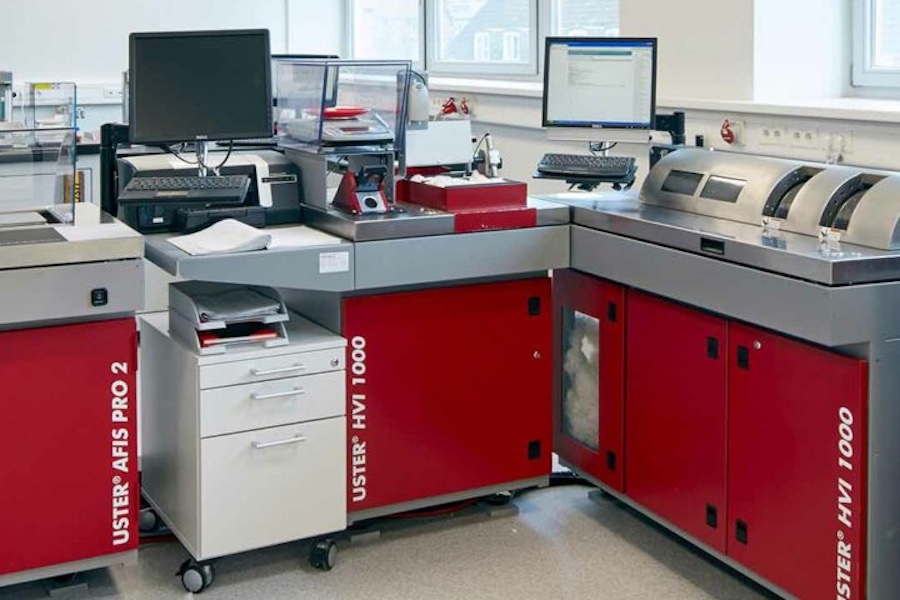
The 38th International Cotton Conference Bremen will take place from 25 to 27 March 2026 at the Bremen Parliament. This conference has traditionally stood for in-depth expertise and international exchange. The program will focus on technical innovations, market trends, and regulatory frameworks across the entire value chain – from agriculture to the circular economy. With high-profile speakers, the conference is regarded as the key meeting point for the global cotton industry. Today’s focus: Cotton quality and testing methods.

TOP