[pageLogInLogOut]

#Sustainability

DuPont™ Nomex® plant in Asturias receives ISCC PLUS certification
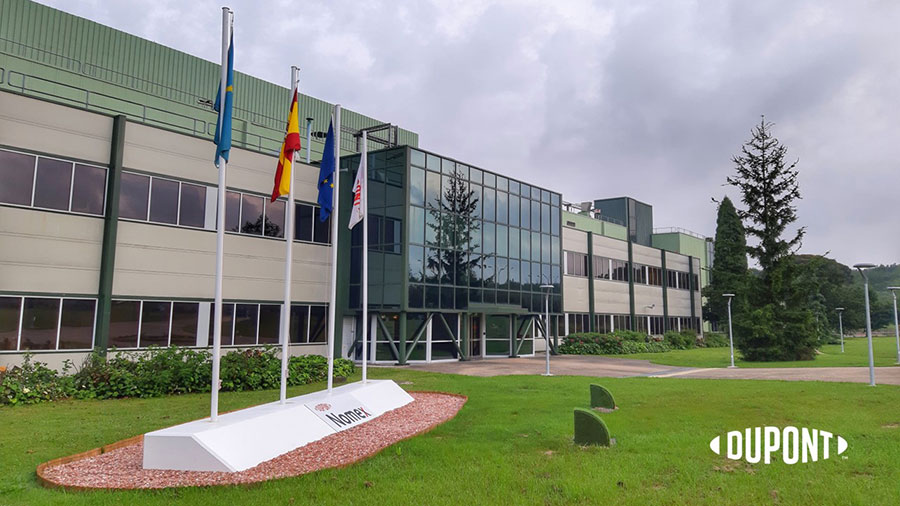
(c) 2025 DuPont
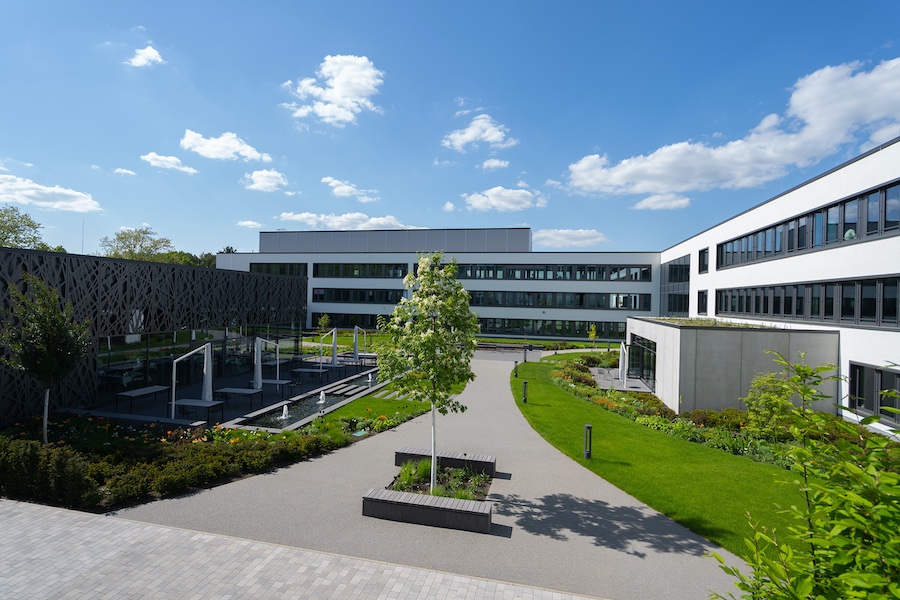
DuPont announced today that its Nomex® production facility in Tamón, Asturias, has received International Sustainability and Carbon Certification (ISCC PLUS) certification. This achievement underscores DuPont's commitment to advancing its sustainability goals and building capabilities to provide reliable Nomex® solutions from sustainable raw materials worldwide.

This achievement represents an important milestone in the company's commitment to climate action and the implementation of its sustainability goals in the circular economy. ISCC PLUS certification enables the sustainability of a product to be verified across the entire supply chain - from raw material sourcing to production and distribution - using the mass balance approach in a robust, transparent, and reliable manner.

One of the most important aspects of ISCC PLUS certification is that it helps to reduce the carbon footprint of products and gradually replace fossil fuel-based raw materials with more sustainable alternatives. At the same time, it promotes the transition to a more circular economy.

"Nomex® is a trusted brand known for its incredible durability and inherent flame resistance built into the fiber, which cannot be washed out or worn away. This makes it the ideal solution for a range of end markets, including utilities, manufacturing, emergency services, automotive, and more," said Matt Reinhardt, vice president and general manager of DuPont Aramids. “This important integration of ISCC PLUS certification into Nomex® production is consistent with our commitment to not only meet but exceed our sustainability goals and those of our customers in each of these end markets - we will continue to drive our commitment to safety and sustainability.”

The ISCC certification builds on DuPont's progress outlined in the company's recently released 2025 Sustainability Report. This includes a 55% reduction in Scope 1, Scope 2, and Scope 3 emissions from their respective baselines. In doing so, DuPont has exceeded its 2030 goal and surpassed the expectations of the Paris Agreement's 1.5°C target. Since 2022, Nomex® has been manufactured using renewable electricity through the purchase of Renewable Energy Certificates (RECs) and Guarantees of Origin (GOs) to cover the annual energy consumption of DuPont's operations. In addition, the Asturias site has partnered with ENGIE on a 12 MW photovoltaic plant that began operating earlier this year, underscoring its commitment to local solar energy. ISCC PLUS certification for Nomex® production at the Asturias manufacturing site supports DuPont's strategy to further reduce Scope 3 emissions and work with global supply chains toward a more circular economy.

For more information on our sustainability strategy and related achievements, visit www.dupont.com/sustainability



More News from Dupont

More News on Sustainability

#Sustainability

Ying McGuire becomes new CEO of Cascale

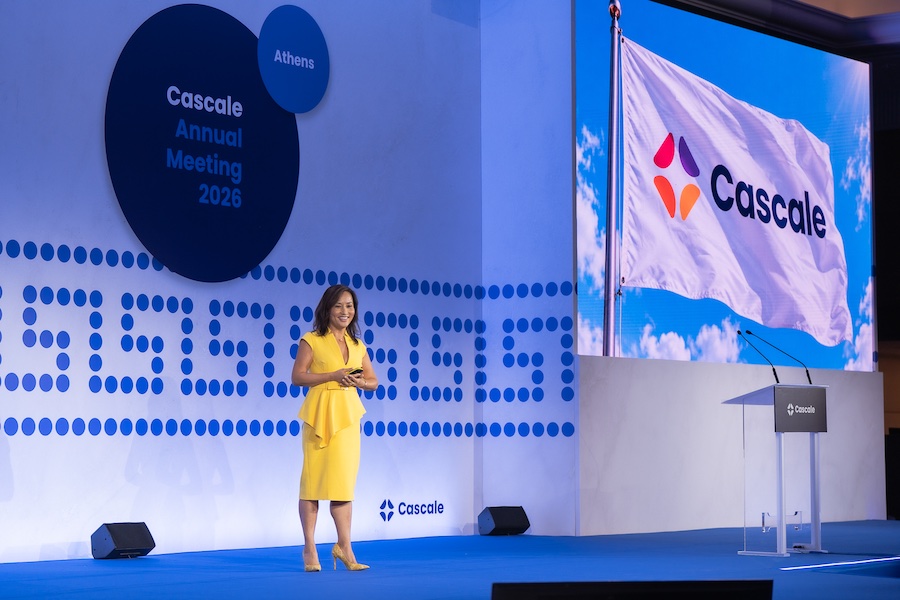
Cascale today announced the appointment of Ying McGuire as Chief Executive Officer, effective June 1, 2026.

#Sustainability

VAUDE eliminates PFAS from all products

PFAS (per- and polyfluoroalkyl substances) are now detectable worldwide – in drinking water, soil and the human body. These so-called “forever chemicals” are considered hazardous to health and potentially carcinogenic, as they do not break down and remain in the environment permanently. Despite these risks, PFAS are still used in a wide range of products. More than 15 years ago, VAUDE made a strategic decision to gradually eliminate PFAS from all product categories.

#Sustainability

OEKO-TEX® chooses TextileGenesis to advance digital traceability for organic cotton

OEKO-TEX® today announced a full collaboration with TextileGenesis, a Lectra company, to digitally trace and authenticate organic cotton, strengthening fraud prevention across the supply chain. This announcement follows a successful pilot and brings together OEKO-TEX®’s certification expertise and closed testing system with TextileGenesis’ digital traceability platform to deliver a secure, end-to-end solution for managing certified organic cotton flows.

#Europe

ICAC to support European Commission on pending PEF legislation

The International Cotton Advisory Committee (ICAC) is proud to announce that it has been included as a member of the European Commission’s Technical Advisory Board (TAB) on the Product Environmental Footprint methodology. The Commission developed the Product Environmental Footprint (PEF) to assess and communicate the life cycle environmental performance of products and organizations.

Latest News

#Recycling / Circular Economy

Circulose restarts commercial-scale production at Ortviken plant in Sundsvall

Circulose today announced the restart of its commercial-scale production plant at Ortviken in Sundsvall, Sweden, marking a significant step in scaling next-generation materials for the global fashion industry. The company plans to resume production of CIRCULOSE®, a recycled pulp made entirely from discarded cotton textiles, in the fourth quarter of 2026.

#Textiles & Apparel / Garment

VIATT 2026 to debut German Pavilion, strengthening European participation alongside key Asian textile hubs

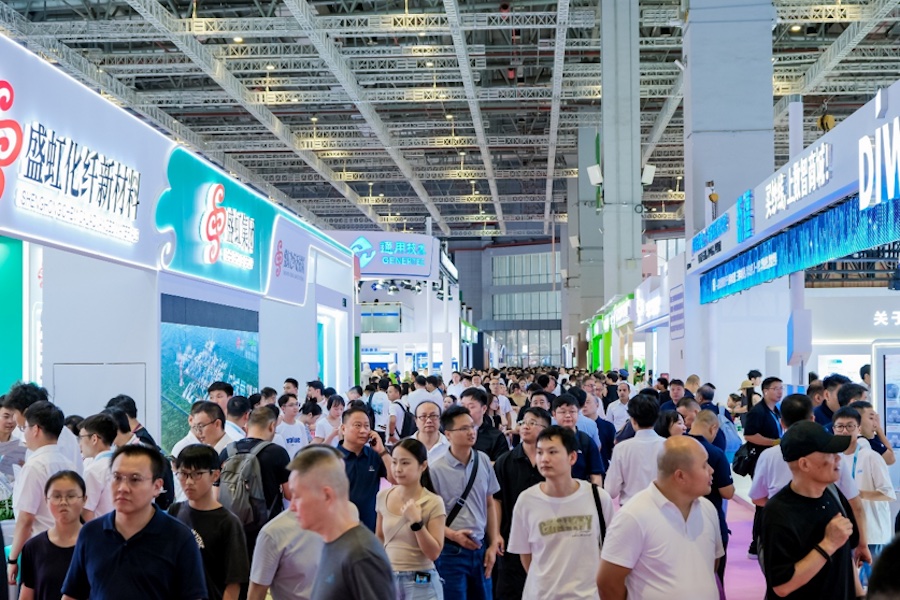
Vietnam’s textile and garment sector continues to be a major contributor to the country’s economic growth, with export revenues expected to reach USD 46 billion in 2025, a 5.6% increase from 2024 . From 26 – 28 February, the Vietnam International Trade Fair for Apparel, Textiles and Textile Technologies (VIATT) is set to contribute to economic growth opportunities by accelerating digital transformation and green transition across the entire textile value chain. The upcoming edition will respond to the rising demand for advanced technologies and sustainable materials with the introduction of the German Pavilion, alongside strong exhibitor participation from key Asian sectors, as well as several high-profile fringe events.

#Technical Textiles

Sustainable, lightweight, and sound absorbing: Polyester-based front trunk solution for BEVs

As car manufacturers look to further reduce their carbon footprint, Autoneum has developed an innovative front trunk solution for battery electric vehicles (BEVs), made entirely from polyester-based textile. The Ultra-Silent Frunk offers significant weight reduction, improved acoustic and thermal insulation, and uses up to 70 percent recycled material, supporting sustainable and efficient vehicle design. Autoneum, global technology leader in acoustic and thermal management for vehicles, has already received orders for the new frunk from three major OEMs in Asia and Europe to be built in three BEV models. Series production for two BEVs has been underway in China and Germany since last year.

#Raw Materials

Modern testing methods for raw cotton

The 38th International Cotton Conference Bremen will take place from 25 to 27 March 2026 at the Bremen Parliament. This conference has traditionally stood for in-depth expertise and international exchange. The program will focus on technical innovations, market trends, and regulatory frameworks across the entire value chain – from agriculture to the circular economy. With high-profile speakers, the conference is regarded as the key meeting point for the global cotton industry. Today’s focus: Cotton quality and testing methods.

TOP