[pageLogInLogOut]

#Textile chemistry

PFAS restrictions drive innovation in waterproof breathable fabrics

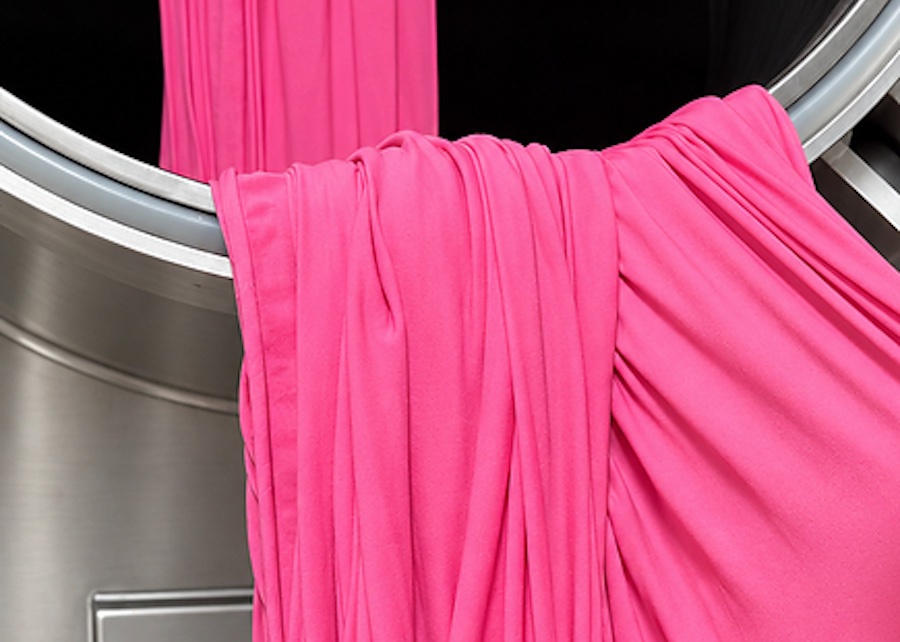
Waterproof breathable fabrics combine protection against rain with wearer comfort. Increasing restrictions on PFAS are driving the development of alternative membranes and water-repellent finishes.
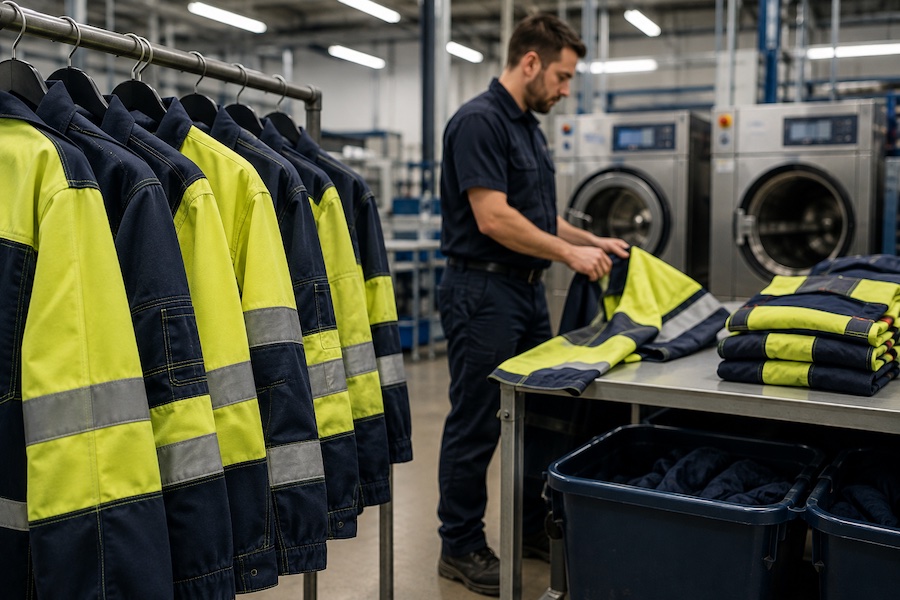
© 2026 TexData International / Illustration developed with AI support
Innovation in waterproof breathable fabrics and apparel is being driven by legislation restricting the use of per- and polyfluoroalkyl substances (PFASs) as manufacturers develop alternative membranes and finishes for use in outdoor apparel, according to “Waterproof breathable fabrics: changing legislation is driving innovation”, a 50-page report from the global business information company Textiles Intelligence.

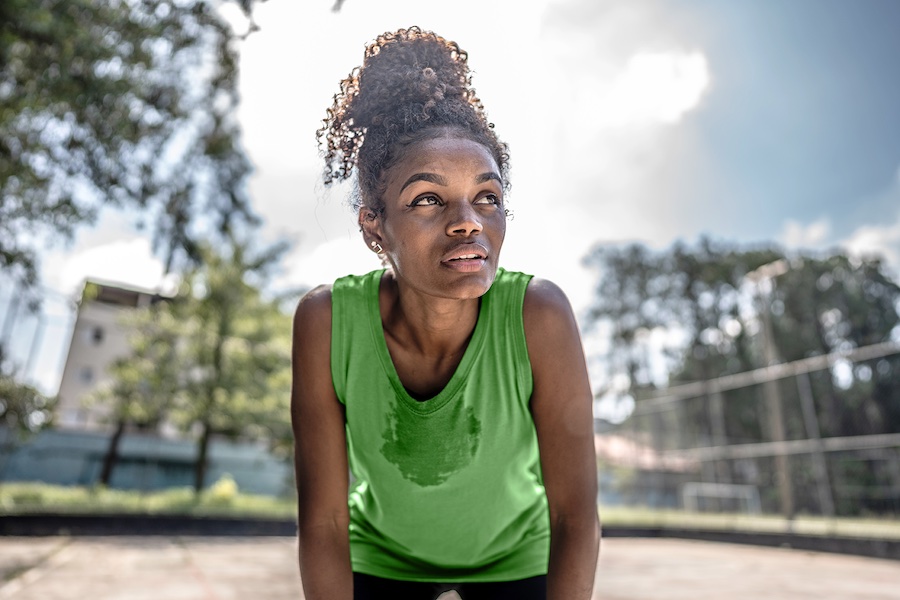
Waterproof fabrics and apparel have long played a crucial role in protecting wearers from rain and other adverse weather conditions. However, comfort has gradually become as important to consumers as functionality, and this has prompted the development of fabrics which are capable of repelling water while also allowing moisture vapour to escape.

Traditionally, PFASs have been used to manufacture waterproof breathable membranes and to produce durable water repellent (DWR) finishes. In membranes, they help to prevent water penetration, while in DWR finishes they impart water repellency to fabric surfaces.

However, PFASs are often referred to as “forever chemicals” because many of them do not break down easily and can persist in the environment. Furthermore, exposure to certain PFASs has been linked to adverse effects on human health.

As a result, consumer awareness of PFASs and legislation restricting their use have prompted a major shift within the market for waterproof breathable fabrics and apparel, and significant strides have been made in the development of membranes and finishes using alternative chemistries.

Alternatives to materials made using PFASs include those based on bio-based polyurethanes and membranes made from materials which are free from fluorine.

However, manufacturers face the challenge of developing alternative materials which meet the performance requirements of outdoor apparel. In particular, waterproof breathable fabrics and apparel must provide an appropriate balance between protection from rain and the ability to allow moisture vapour to escape.

Also, the level of performance required varies according to the intended application. For example, a garment designed for prolonged exposure to severe weather may require greater protection against water penetration than one intended for everyday use.

One of the most significant developments has been the introduction of a Gore-Tex membrane made from expanded polyethylene (ePE) by W L Gore & Associates. The ePE membrane provides an alternative to the company’s original membrane, which is made from expanded polytetrafluoroethylene (ePTFE)—a fluoropolymer belonging to the PFAS group.

Looking ahead, global demand for waterproof breathable fabrics is forecast to grow at a healthy rate in the coming years—reflecting, in particular, the importance of such fabrics in a broad range of outdoor apparel products. Furthermore, the market for waterproof breathable fabrics and apparel is set to benefit from the increasing popularity of outdoor pursuits.

As the market grows and restrictions on PFASs continue to develop, manufacturers will face pressure to improve the performance of alternative membranes and finishes while meeting the needs of brands and consumers.
More News from Textiles Intelligence Ltd

More News on Textile chemistry

#Techtextil & Texprocess 2028

Techtextil and Texprocess 2028 strengthen networking and business opportunities along the textile value chain

Techtextil and Texprocess are preparing for their next editions from 4 to 7 April 2028 in Frankfurt with an optimised hall layout designed to strengthen connections across the textile value chain. The new structure brings materials, production technologies and processing solutions closer together, while several leading international companies have already confirmed their participation. Exhibitors can benefit from early-booking rates until 30 November 2026.

#Textile chemistry

Archroma and Prosperity Textile to collaborate on denim innovation

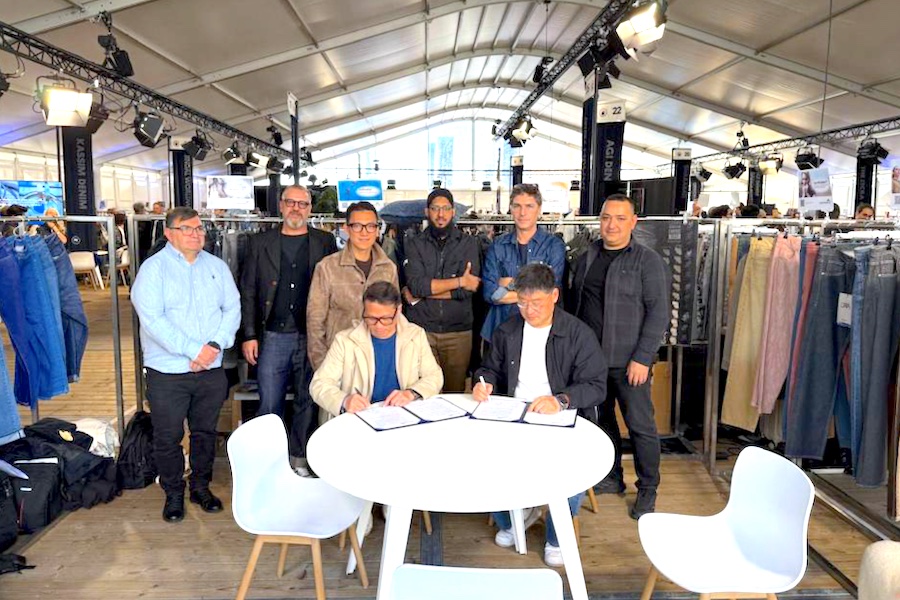
Archroma, a global leader in specialty chemicals, and Prosperity Textile, an international fabric manufacturer with production bases in China and Vietnam, have announced a partnership to drive denim innovation. They will collaborate to develop, evaluate and implement new approaches to improve denim aesthetics, durability and performance, with a shared commitment to sustainability.

#Textile chemistry

SANITIZED and RUDOLF join forces to extend textile performance and wearability

Long-lasting performance textiles require solutions that address a wide range of consumer expectations, from lasting freshness and comfort to reliable protection against the elements. SANITIZED and RUDOLF are highlighting their latest innovations, demonstrating how specialized textile technologies can support the functional durability and wearability of modern apparel.

#Textile chemistry

Nicca names Archroma exclusive ZELAN™ distributor, extending a decade-long legacy

Archroma and Nicca Chemical are collaborating to support the continued growth of ZELAN™ non-fluorinated durable water repellents (DWRs) across the global textile industry. The announcement follows Nicca’s acquisition of the ZELAN™ business from The Chemours Company in March 2026 and extends Archroma’s decade-long legacy with the ZELAN™ brand.

Latest News

#India ITME 2026

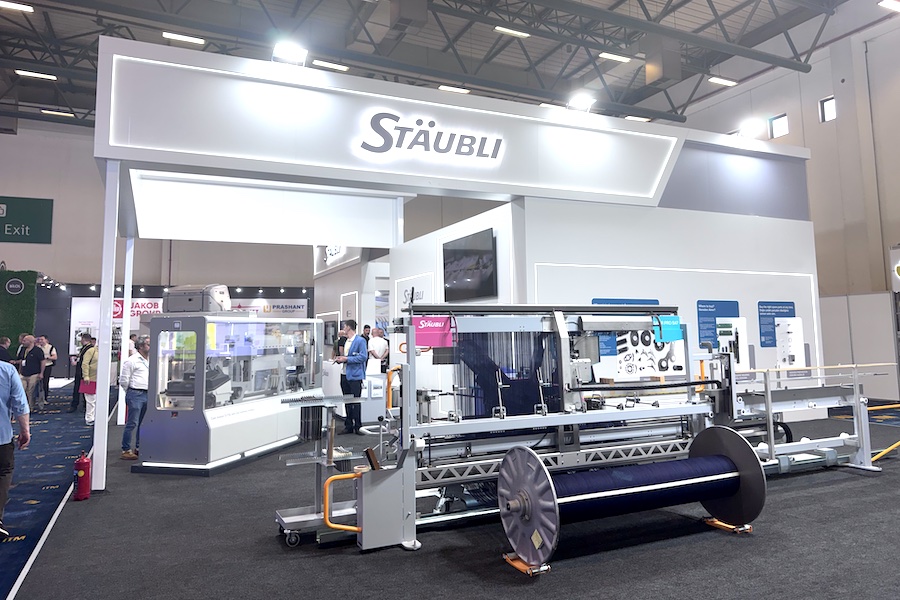
Stäubli to introduce new S3292 dobby for high-speed weaving at ITME India 2026

Stäubli will introduce its new S3292 dobby at ITME India 2026, taking place from December 4 to 9 at the India Expo Centre & Mart in Greater Noida, Uttar Pradesh. Designed for high-speed air-jet weaving, the new machine will be among the highlights of the company's presentation, which also includes warp preparation systems, cam motions, Jacquard technologies and digital services.

#Research & Development

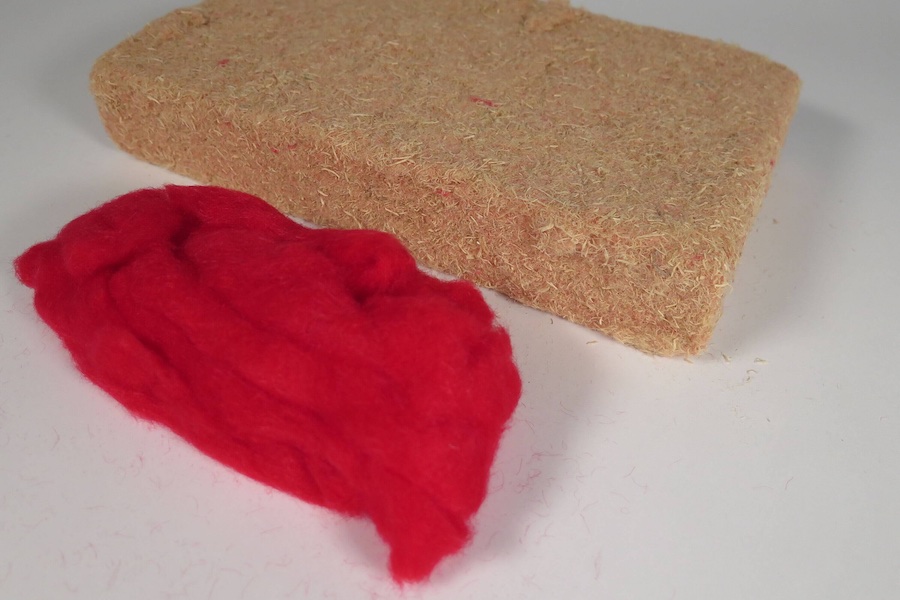
DITF develops bio-based binding fibers for wood-fiber insulation materials

As part of the CelluWoodFlex project, the German Institutes of Textile- and Fiber-Research in Denkendorf (DITF) are developing bio-based cellulose ester fibers as alternative binding fibers for flexible wood fiber insulation materials. In addition to the spinning process and the production of suitable staple fibers, the institute is also investigating how wood and cellulose fibers can be separated and recycled at the end of their useful life.

#Recycled Fibers

Reju expands textile-to-textile recycling network with six international fabric manufacturers

Reju, a textile-to-textile regeneration company, is expanding its industrial network through collaborations with six fabric manufacturers in Europe and the Americas. The initiative aims to accelerate the integration of regenerated polyester into textile manufacturing and support the development of finished fabrics for commercial applications.

#Nonwovens

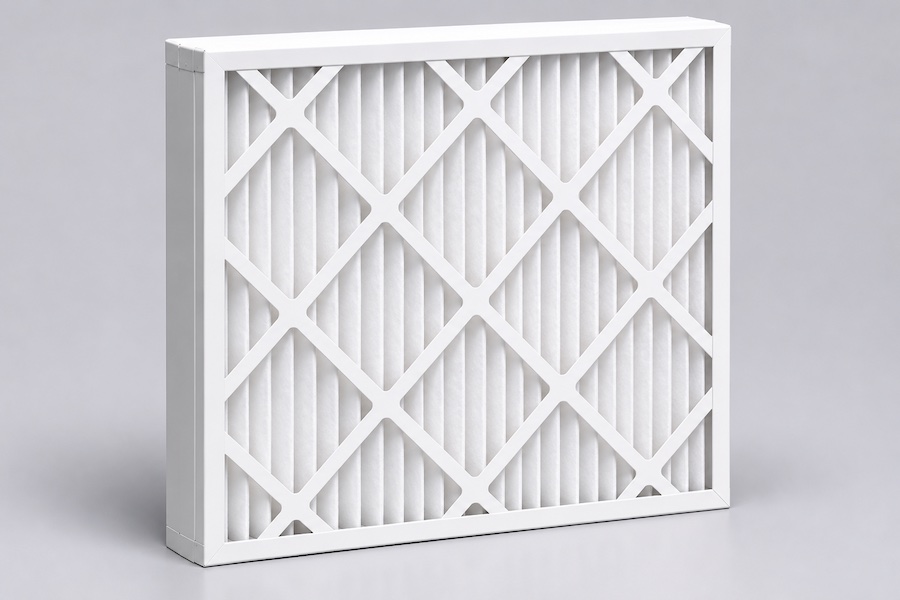
Magnera highlights HighPleat™ filtration media technology at FiltXPO 2026

At FiltXPO 2026, held on October 28–29 at the Minneapolis Convention Center in Minneapolis, Minnesota, Magnera highlighted advances in air filtration media architecture, with a particular focus on its HighPleat™ platform for MERV 8–10 applications. The technology combines a lofted fiber structure with optimized pore architecture to address the challenge of balancing filtration efficiency, airflow resistance and contaminant-holding capacity.

TOP