[pageLogInLogOut]

#Associations

Europe is losing its textile industry

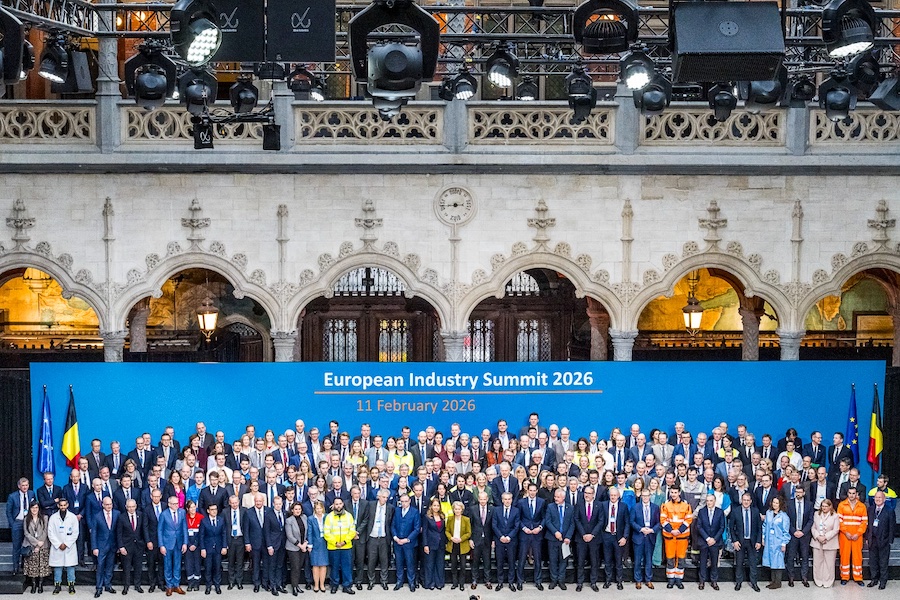
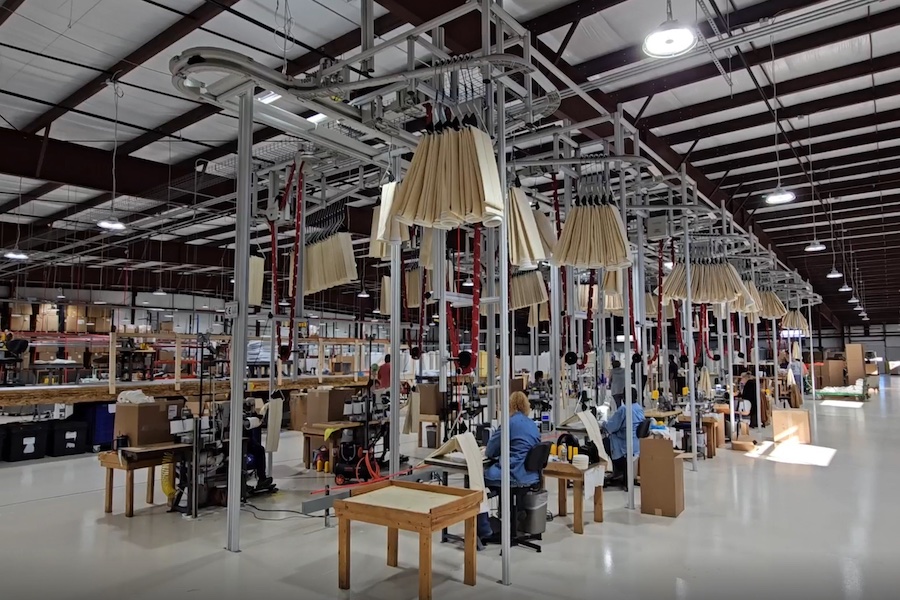
Every week, textile factories close across Europe. Behind each closure: jobs lost, communities affected, strategic capabilities gone

EURATEX has released its latest Economic Update on the performance of the European textile and apparel industry in 2025. For the third consecutive year, the sector recorded negative results across all key indicators — production, turnover and employment — confirming a continued erosion of competitiveness across Europe.

The causes are clear: structurally high energy costs, weak consumer demand, growing import pressure from Asia, unfair competition from online platforms, and an increasingly heavy regulatory burden on European producers.

The EU is preparing several policy responses — the Industrial Accelerator Act, reform of the Union Customs Code, the Energy Union. However, many companies cannot wait. Europe needs immediate action to reduce energy costs, simplify regulation, strengthen market surveillance and restore a genuine level playing field.

Textiles is a strategic industrial ecosystem for Europe. Beyond fashion — clothing, footwear and home textiles that define European identity and craftsmanship — it supplies critical value chains: healthcare, defence, mobility, construction and agriculture, while supporting circularity through reuse and recycling. This is not a sector Europe can afford to lose. EURATEX calls on the European Commission and Member States to take concrete action before the end of 2026.

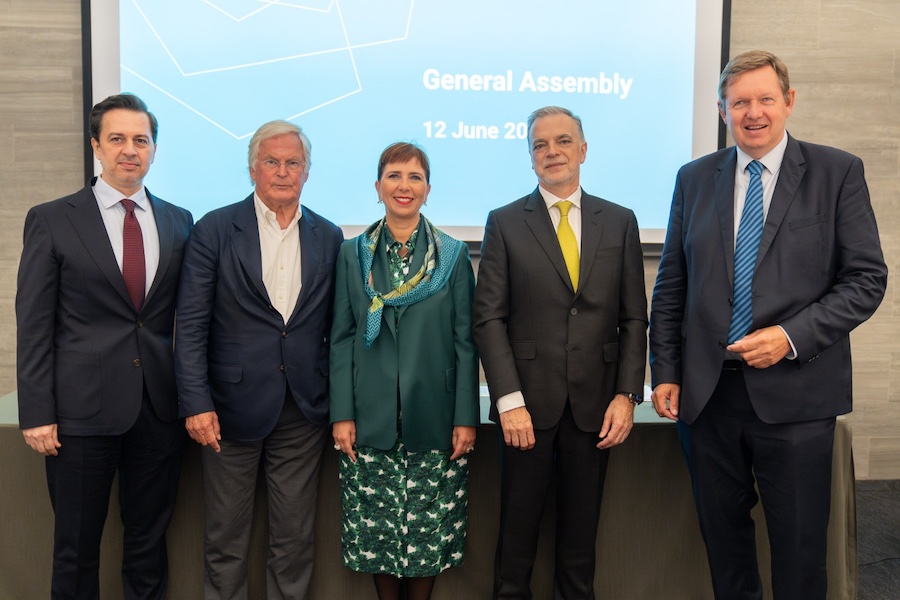
“If Europe is serious about maintaining its manufacturing base, it must act faster and more decisively. Every week, textile companies are closing. Production moves elsewhere, dependency increases, and the carbon footprint grows. That is the opposite of what Europe wants to achieve, states Mario Jorge Machado, the EURATEX President.
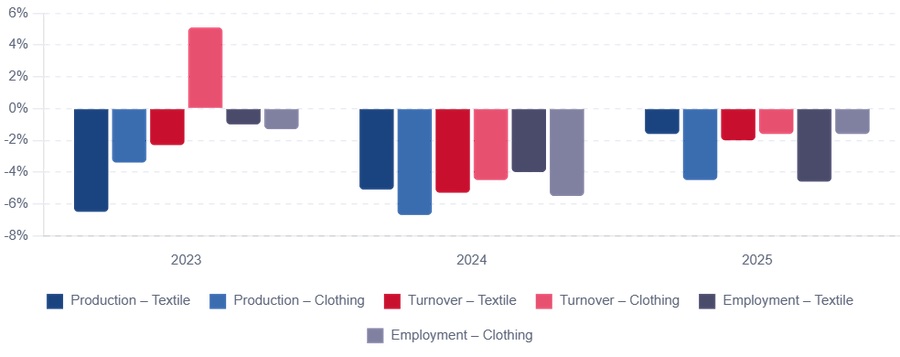
Annual change in key indicators (%) — 2023–2025, © 2026 Source: EURATEX Economic Update 2026. Textile & Clothing sectors.


More News from European Apparel and Textile Confederation (EURATEX)

#Associations

European Business Coalition welcomes provisional application of EU–Mercosur Agreement and calls for Swift and full implementation

With the European Commission’s decision to provisionally apply the EU–Mercosur Interim Trade Agreement, a process spanning more than 25 years now moves decisively into its implementation phase.

#Europe

Antwerp Declaration community urges EU leaders to deliver emergency measures as Europe’s competitiveness crisis deepens

EURATEX, representing the European textile and fashion industry, joins the Antwerp Declaration Community’s call on EU Heads of State and Government to adopt emergency measures that restore industrial competitiveness and deliver tangible results for Europe’s manufacturing base in 2026.

#Europe

FITA, ABIT and EURATEX underline strategic importance of Mercosur – EU Partnership Agreement for the textile and apparel industry

The Argentine Textile Industry Federation (FITA), the Brazilian Textile and Apparel Industry Association (ABIT), and the European Apparel and Textile Confederation (EURATEX) continue to monitor the process of internalizing the Mercosur-European Union Partnership Agreement. This agreement is essential for the competitiveness of our industries, on both sides of the Atlantic.

#Associations

Industry associations warn against state-run EPR models in the EU

European industry associations, led by Euratex, have raised concerns over a growing trend in several EU Member States to introduce state-run Producer Responsibility Organisations (PROs) within Extended Producer Responsibility (EPR) schemes.

More News on Associations

#Techtextil 2026

VDMA members at Techtextil: Smart technologies for technical textiles

At Techtextil 2026 in Frankfurt, the members of VDMA Textile Machinery underline their key role as global technology leaders for technical textiles and textile processing. With a strong presence of more than 50 members they will highlight how engineering excellence, innovation strength and sustainability expertise from Germany and Europe are shaping the future of the textile industry. Seven companies will be present at the VDMA group stand in the centre of hall 12.0.

#Techtextil 2026

Between geopolitical pressure and industrial resilience

In this interview, Dr. Janpeter Horn (VDMA) discusses the current challenges facing textile machinery manufacturers, shaped by geopolitical tensions, regulatory developments and subdued investment. He also outlines why innovation strength, integrated solutions and strategic positioning remain key to global competitiveness.

#Texprocess 2026

Between investment restraint and modernization pressure

Texprocess 2026 takes place in a complex market environment shaped by uncertainty and innovation pressure. In this interview, Elgar Straub (VDMA) explains why the trade fair is particularly relevant this year and which technologies are driving efficiency and competitiveness.

#Associations

Results of the 37th ITMF Global Textile Industry Survey

The International Textile Manufacturers Federation (ITMF) released findings from its 37th Global Textile Industry Survey (GTIS), conducted in March sharing how regions and segments are impacted by the latest geopolitical disruptions.

Latest News

#Texprocess 2026

Texprocess 2026: Automation, digitalisation and AI redefine textile processing

Making investment decisions in textile processing has become significantly more demanding. Increasing energy costs, a shortage of skilled labour and ongoing geopolitical uncertainties are compelling companies to focus on technologies that deliver clear gains in efficiency and process reliability. This applies equally to apparel manufacturing and to the processing of technical textiles and high-performance materials. As a result, modernisation initiatives are assessed more carefully – even as the need to upgrade production systems continues to intensify.

#Techtextil 2026

Techtextil 2026: Between innovation pressure & market reality

From 21 to 24 April 2026, Techtextil in Frankfurt am Main will once again become the central meeting point for the international technical textiles and nonwovens industry. Running in parallel, Texprocess will focus on the industrial implementation of textile processing technologies as the leading platform in this field. Together, the two trade fairs form a closely integrated presentation and working platform along the entire textile value chain – from material development to finished applications.

#ITM 2026

The address for environmentally friendly dyeing and finishing systems: ITM 2026

Dyeing and finishing technologies, one of the most critical and value-added areas of the textile sector, have gained strong growth momentum on a global scale. Technologies that are pioneers of this transformation focused on sustainability, quality and efficiency will meet with sector professionals at the ITM 2026 International Textile Machinery Exhibition. Dyeing and Finishing Hall (11–12) will host the latest technologies that increase efficiency, optimize resource use and reduce environmental impact in textile finishing processes.

#Techtextil 2026

Smart textiles can also be sustainable, eco-friendly and AI-powered – ITA at Techtextil 2026

Sports shoes made from algae, leggings made from mushrooms, filtering (diesel) oil from water, 4D textiles, recyclable, sustainable and featuring AI – this is what the ITA Group is presenting at three individual stands run by ITA Aachen, ITA Augsburg gGmbH and ITA Technologietransfer GmbH on the joint stand of Elmatex in hall 12.0 D05.

TOP