[pageLogInLogOut]

#Denim

Wrangler introduces debris-repellent sherpa fleece technology Hay Away™
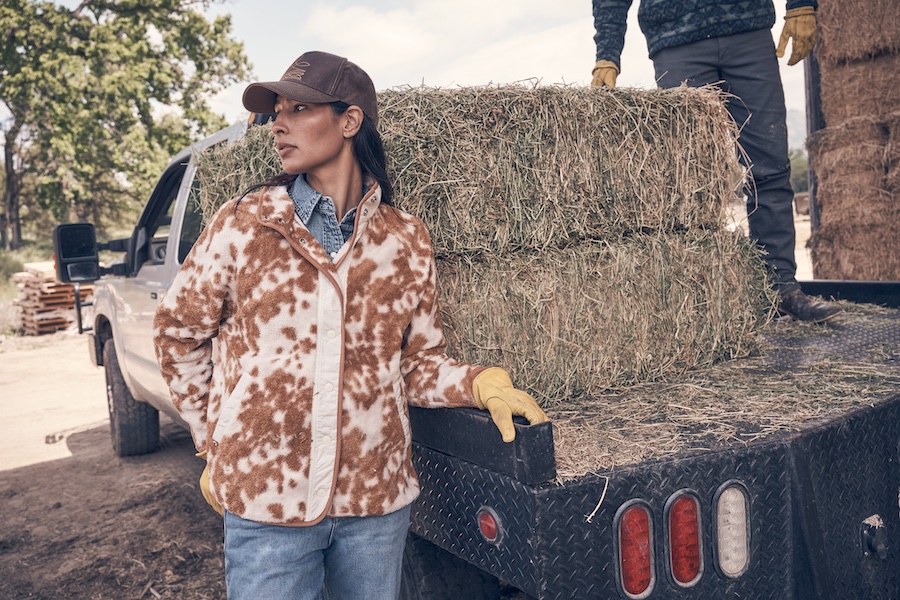
© 2026 Wrangler
The patent-pending fabric technology prevents hay, straw, mulch and grass from clinging to high-pile fleece. The development received a category award in Fast Company's 2026 Innovation by Design Awards.

Wrangler® has introduced Hay Away™, a new bonded sherpa fabric technology designed to prevent natural debris such as hay, straw, mulch and grass from clinging to high-pile fleece garments. The development combines the warmth and comfort of traditional sherpa fleece with a debris-repellent function aimed at workwear and outdoor apparel applications.

The patent-pending technology was named a Category Winner in the Fashion and Beauty category of Fast Company's 2026 Innovation by Design Awards, which recognize products, environments and services combining functional design with practical problem-solving.

Fabric construction replaces conventional surface treatments

Traditional high-pile fleece fabrics can attract and retain natural debris, particularly when worn during agricultural work, outdoor activities or around livestock. According to Wrangler, Hay Away™ addresses this problem through a functional fabric construction rather than a surface coating, wash treatment or temporary finish.

The technology is integrated directly into the bonded sherpa material, helping prevent debris from adhering to the synthetic fibres while maintaining the insulating properties and soft texture associated with fleece.

The development is intended to make garments easier to maintain during everyday outdoor use and to reduce the accumulation of debris that can affect their appearance over time.

Dhruv Agarwal, Vice President, Sustainability, Innovation & Development at Kontoor Brands, explained:

"Historically, wearing plush fleece around livestock or outdoors meant dealing with constant debris," said Dhruv Agarwal, Vice President, Sustainability, Innovation & Development at Kontoor Brands. "We developed Hay Away™ specifically to eliminate that friction. By preventing debris from clinging to synthetic fibers, we have delivered high-performance warmth without the cleanup. This recognition from Fast Company underscores our commitment to practical, real-world material innovation."

Applications across workwear and outdoor apparel

Wrangler is introducing Hay Away™ across a collection of jackets and pullovers for men, women and children, extending the technology beyond traditional agricultural workwear into outdoor and casual apparel.

The men's collection includes sherpa jackets with reinforced ripstop yokes, zippered pockets and full-zip closures, as well as quarter-zip and quarter-snap pullovers. Women's styles feature sherpa jackets with snap closures, while the children's collection includes full-zip jackets and pullovers.

The collection demonstrates how functional fabric developments can be incorporated into conventional apparel designs without changing their basic appearance or intended use.

With Hay Away™, Wrangler is also expanding its product portfolio beyond traditional denim, targeting consumers who require practical performance features for outdoor work, leisure and everyday activities.

The Hay Away™ collection is available through Wrangler's online store and selected retailers in the United States.

Further information: www.wrangler.com


More News from Wrangler

More News on Denim

#Recycling / Circular Economy

Blue Jeans Go Green celebrates 20 years of denim recycling with more than six million items collected

Cotton Incorporated is celebrating the 20th anniversary of its Blue Jeans Go Green™ denim recycling program. Since its launch in 2006, the initiative has collected more than six million denim items, diverted over 3,000 tons of textile waste from landfills and enabled the production of more than 12 million square feet of denim-based insulation. What began as a college campus collection drive has developed into a nationwide recycling initiative involving consumers, retailers, schools and community organisations across the United States.

#Industry 4.0 / Digitalization

Jeanologia and BCome connect factory data with Life Cycle Assessment and Digital Product Passports

A new white paper by EIM by Jeanologia and BCome demonstrates how primary environmental data from denim finishing processes can be integrated into a garment's Life Cycle Assessment (LCA) and prepared for use in a Digital Product Passport (DPP). A comparative case study highlights significant improvements at the production stage while also showing how these translate into the environmental performance of the finished garment.

#Denim

Inside the Making connects denim and sportswear supply chains at Ecomondo 2026

Six European companies are joining forces at Ecomondo 2026 in Rimini to demonstrate how different stages of denim and sportswear production are interconnected. The new initiative, Inside the Making, highlights the importance of cooperation across the textile supply chain in addressing sustainability challenges, from reducing resource consumption to improving transparency and the reliability of environmental claims.

#Denim

Catalyst Club connects fashion industry leaders and emerging talent at Kingpins Amsterdam

Following its debut in Florence, Catalyst Club hosted its second networking event during the Kingpins Show in Amsterdam, bringing together international fashion and denim industry representatives to exchange ideas, share experiences and explore new opportunities for collaboration.

Latest News

#India ITME 2026

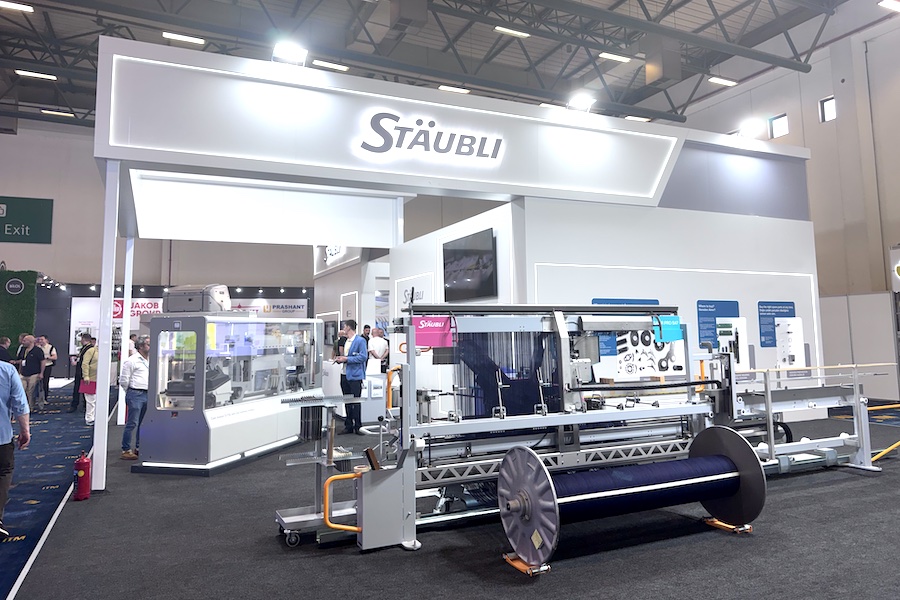
Stäubli to introduce new S3292 dobby for high-speed weaving at ITME India 2026

Stäubli will introduce its new S3292 dobby at ITME India 2026, taking place from December 4 to 9 at the India Expo Centre & Mart in Greater Noida, Uttar Pradesh. Designed for high-speed air-jet weaving, the new machine will be among the highlights of the company's presentation, which also includes warp preparation systems, cam motions, Jacquard technologies and digital services.

#Research & Development

DITF develops bio-based binding fibers for wood-fiber insulation materials

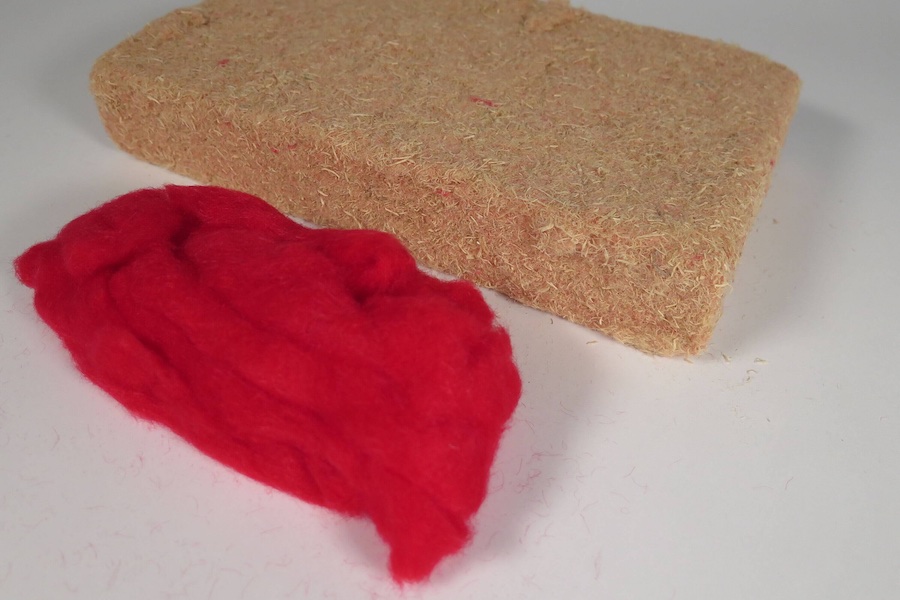
As part of the CelluWoodFlex project, the German Institutes of Textile- and Fiber-Research in Denkendorf (DITF) are developing bio-based cellulose ester fibers as alternative binding fibers for flexible wood fiber insulation materials. In addition to the spinning process and the production of suitable staple fibers, the institute is also investigating how wood and cellulose fibers can be separated and recycled at the end of their useful life.

#Recycled Fibers

Reju expands textile-to-textile recycling network with six international fabric manufacturers

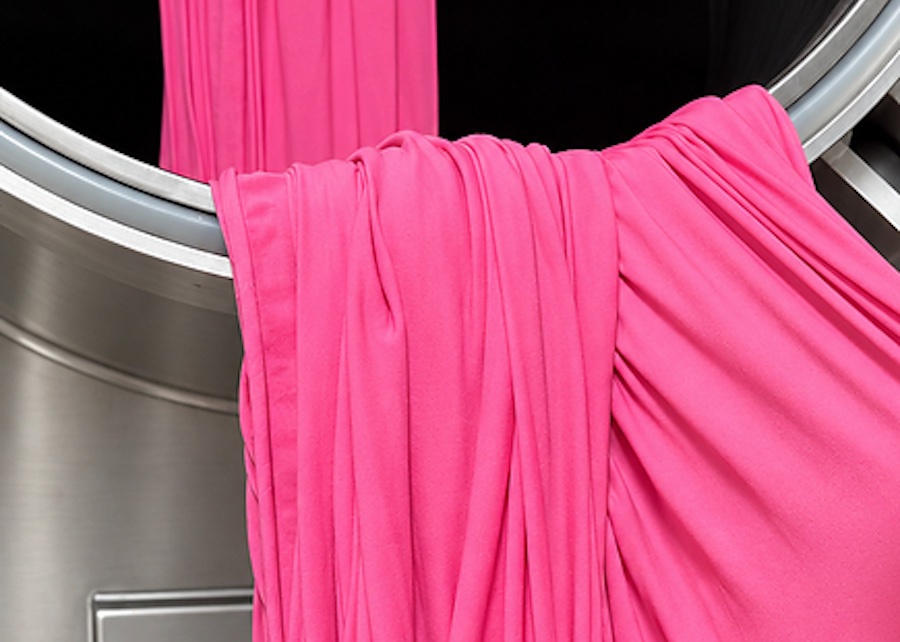
Reju, a textile-to-textile regeneration company, is expanding its industrial network through collaborations with six fabric manufacturers in Europe and the Americas. The initiative aims to accelerate the integration of regenerated polyester into textile manufacturing and support the development of finished fabrics for commercial applications.

#Nonwovens

Magnera highlights HighPleat™ filtration media technology at FiltXPO 2026

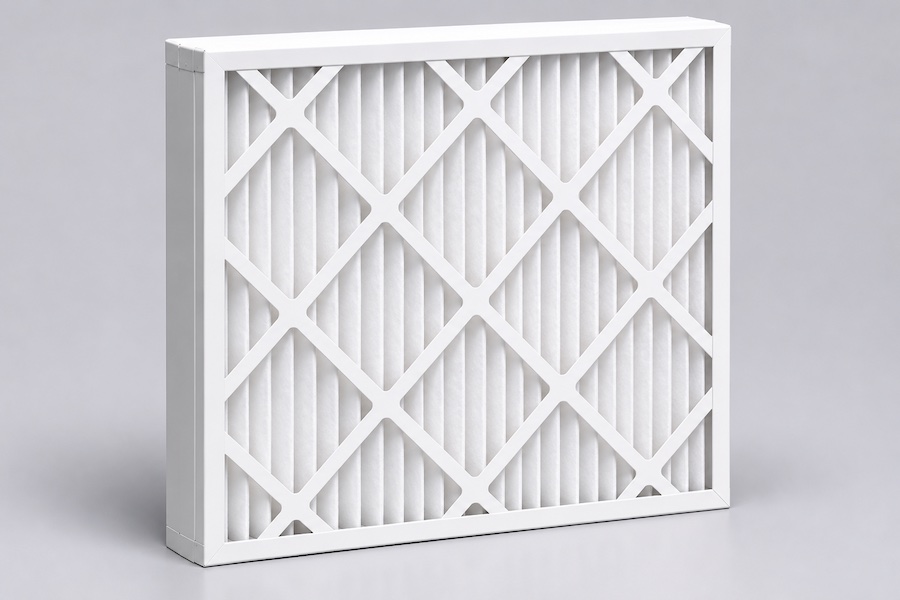
At FiltXPO 2026, held on October 28–29 at the Minneapolis Convention Center in Minneapolis, Minnesota, Magnera highlighted advances in air filtration media architecture, with a particular focus on its HighPleat™ platform for MERV 8–10 applications. The technology combines a lofted fiber structure with optimized pore architecture to address the challenge of balancing filtration efficiency, airflow resistance and contaminant-holding capacity.

TOP