[pageLogInLogOut]

#Man-Made Fibers

Textile Exchange: reporting companies advance on preferred materials as global fiber production reaches new high

Companies participating in Textile Exchange’s Materials Benchmark increased their use of materials from preferred production systems in 2025, while global fiber production continued to grow and reached a record 139 million tonnes. The contrasting trends highlight both the potential for change at company level and the scale of the challenge facing the wider textile industry.

Data from Textile Exchange’s Materials Benchmark shows that the 384 participating fashion, textile and apparel brands and retailers increased their sourcing of cotton, polyester, polyamide (nylon), viscose and wool through standards, certifications and other programs verifying preferred production practices from 68% in 2024 to 72% in 2025. Across global production of these fibers, the corresponding share was only 20%.

The difference was particularly pronounced for cotton: 82% of cotton sourced by Materials Benchmark participants came from preferred production systems, compared with 38% of total global cotton production.

Recycled polyester gains among reporting companies

Benchmark participants also reduced their use of new virgin fossil-based polyester from 0.54 million tonnes in 2024 to 0.48 million tonnes in 2025. At the same time, the share of recycled polyester in their overall polyester sourcing increased from 67% to 76%.

The global picture was markedly different. New virgin fossil-based polyester production increased from 68 million tonnes in 2024 to 73 million tonnes in 2025, while recycled polyester’s share of global polyester fiber production remained unchanged at 12%.

Textile-to-textile recycling also remains limited. Around 97% of recycled polyester produced globally in 2025 still came from plastic bottles, while textile-to-textile recycled fiber production across all fibers remained at about 1% of total production.

Beth Jensen, Chief Impact Officer at Textile Exchange, said the results demonstrate what can be achieved by companies actively pursuing changes in their material sourcing: “Our latest annual data offers evidence of the progress that can be made when companies are committed, engaged, and willing to work together to accelerate the transition to preferred production systems. From an increase in the proportion of materials from sustainability programs used, to reduced reliance on virgin fossil-based inputs, those who are part of the Textile Exchange community are demonstrating their leadership, outpacing the trends seen across the global production volume data.”

Global fiber production reaches 139 million tonnes

Textile Exchange’s Materials Market Report shows that global fiber production increased by seven million tonnes in just one year, from 132 million tonnes in 2024 to a record 139 million tonnes in 2025. This is equivalent to around 17 kg of fiber per person, compared with 8.3 kg in 1975.

The increase was driven in part by rising production of new virgin fossil-based fibers, which grew from 81 million tonnes to 86 million tonnes.

Polyester remained by far the world’s most widely produced fiber. Production increased from 77.7 million tonnes in 2024 to 82.5 million tonnes in 2025, maintaining a 59% share of total global fiber production. Of this volume, 72.8 million tonnes, or 88%, was virgin fossil-based polyester.

Cotton remained the second-largest fiber category with 25.7 million tonnes and an 18% market share. Manmade cellulosic fibers increased from 8.4 million tonnes to 9.1 million tonnes, representing 7% of global fiber production.

There was some progress in preferred production systems. Cotton from certified programs increased from 8.4 million tonnes in 2024 to 9.4 million tonnes in 2025, equivalent to 37% of all virgin cotton fiber. Two-thirds of manmade cellulosic fibers were produced using FSC- and/or PEFC-certified or controlled feedstock.

Technical textiles record strongest long-term growth

For the first time, the Materials Market Report also includes updated estimates of the volumes flowing into different textile end-use sectors.

Technical textiles recorded the strongest growth among the three largest end-use categories between 1990 and 2025. The sector – including automotive textiles, construction materials, medical products, filtration systems, geotextiles and nonwoven hygiene products – achieved an estimated compound annual growth rate of approximately 4.1%. This compares with 3.2% for home textiles and 2.6% for apparel.

Fiber-related emissions continue to rise

The report also points to a widening gap between industry climate ambitions and global material production. Textile Exchange estimates that greenhouse gas emissions associated with raw materials for the apparel, home textiles, bags and footwear industries reached approximately 325 million tonnes CO2e in 2025, around 30% above the 2019 baseline.

Polyester accounted for approximately 43% of these emissions, with virgin fossil-based polyester responsible for the vast majority of its impact. Manmade cellulosic fibers accounted for around 13%, nylon and cotton approximately 11% each, sheep wool around 8%, and leather around 3%.

Traceability remains a major challenge

Despite the progress among reporting companies, traceability remains a significant weakness. In 2025, 79% of all raw materials used by Materials Benchmark participants were reported as having an “unknown country of origin”.

At the same time, 92.4% of participating companies reported having formal climate targets, while the share with formal nature targets increased from 22.3% in 2024 to 27.8% in 2025. Among companies using animal fibers, 88% reported having an animal welfare policy.

From 2027, annual reporting of raw material use through the Materials Benchmark will become mandatory for brand and retailer members of Textile Exchange’s Action Cohort. Membership will also require companies to set targets for sourcing materials through systems that verify production practices.

Sarah Needham, Chief Engagement and Partnerships Officer at Textile Exchange, said the expanded reporting requirements are intended to strengthen both individual and collective progress tracking: “By sharing data and building a clearer picture of collective progress, we can improve our understanding of what works and accelerate change across the industry.”



More News from Textile Exchange

#Sustainability

Textile Exchange 2026: From sustainability commitments to industry-wide action

More than 1,300 participants and over 90 speakers gathered in Vancouver to discuss how the textile and apparel industry can move from planning to implementation, with a focus on resilient supply chains, circularity, regenerative agriculture and collaboration.

#Sustainability

Action Cohort: Textile Exchange’s new initiative designed to help scale preferred production systems

Textile Exchange has published new guidance to help brands and retailers participating in its Action Cohort prepare for upcoming reporting and target-setting requirements. Earlier this year, the organization evolved its membership to create more action-oriented pathways, designed to accelerate progress toward scaling preferred production systems that create beneficial impacts and resilient supply chains and livelihoods.

#Sustainability

New guidance to help organizations deliver the Material Matter Standard’s human rights commitments

Textile Exchange has published new guidance and tools to help organizations better understand and implement the human rights and livelihoods requirements of the forthcoming Materials Matter Standard.

#Sustainability

Textile Exchange reports growth in certifications and industry engagement

Textile Exchange has published its 2025 Annual Report, highlighting continued growth in certified sites, industry participation and the development of its standards and membership structure. According to the report, more than 100,000 sites worldwide are now certified to Textile Exchange standards, more than three times the number recorded in 2020. Preliminary figures also indicate 12% year-on-year growth across the organization's current standards, including the Global Recycled Standard (GRS), Recycled Claim Standard (RCS) and the Responsible Animal Fiber standards.

More News on Man-Made Fibers

#Nonwovens

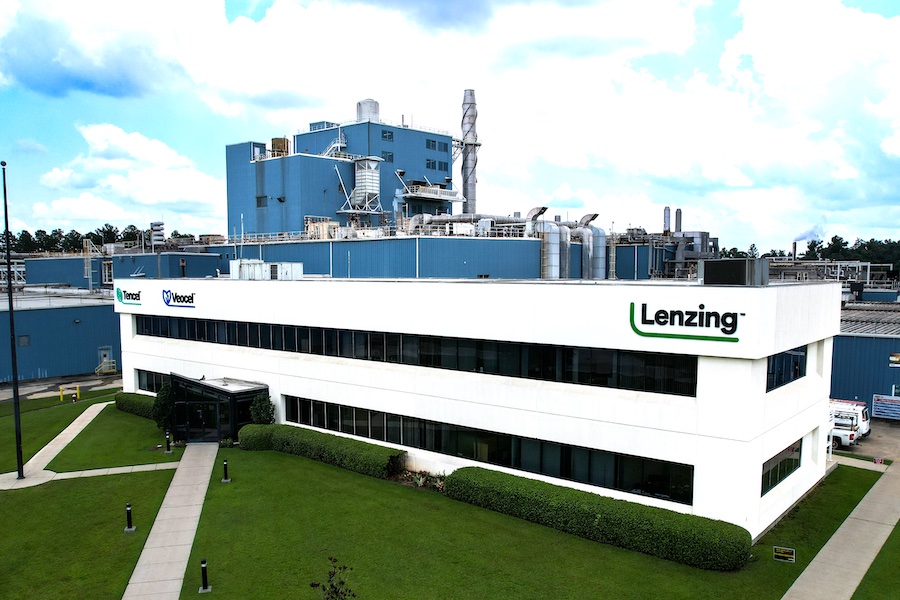
Lenzing invests EUR 27 million in US facility to expand specialty fibers for nonwovens

The Lenzing Group is investing EUR 27 million (USD 31 million) to expand specialty fiber production capabilities at its lyocell fiber site in Mobile, Alabama, USA. The investment forms part of the company’s “Grow NW. Reset TX.” strategy and will strengthen its global Nonwovens business, with a particular focus on short-cut fibers and customized wood-based solutions for specialty applications.

#Man-Made Fibers

Lenzing improves profitability as strategic transformation gains momentum

The Lenzing Group reported improved operating profitability in the first nine months of 2026 despite declining revenue and a challenging market environment. Revenue decreased by 2.3 percent to EUR 1.93 billion, while adjusted EBITDA remained stable at EUR 353 million. The adjusted EBITDA margin increased from 17.9 percent to 18.3 percent, reflecting progress in the company's strategic transformation under its “Grow Nonwovens. Reset Textiles.” strategy.

#Man-Made Fibers

Spinnova and Outlast to develop new textile materials for thermal insulation and temperature regulation

Spinnova Plc, a Finnish materials technology company developing textile fibres from wood pulp and other cellulose-based raw materials, has signed a non-binding Letter of Intent (LOI) with Germany-based Outlast Technologies GmbH, a specialist in temperature regulation and insulation technologies. The collaboration aims to explore the development of high-performance textile materials combining SPINNOVA® fibre with Outlast's functional technologies.

#Man-Made Fibers

Kraig Biocraft Laboratories launches performance yarn development program based on spider silk

Kraig Biocraft Laboratories has launched a development program for high-performance yarns based on its recombinant spider silk technology. The initiative follows the company's first commercial shipment of a custom spider silk yarn to a performance apparel customer and includes the delivery of spider silk samples to a textile technology company with experience in aerospace-related material development.

Latest News

#Textile processing

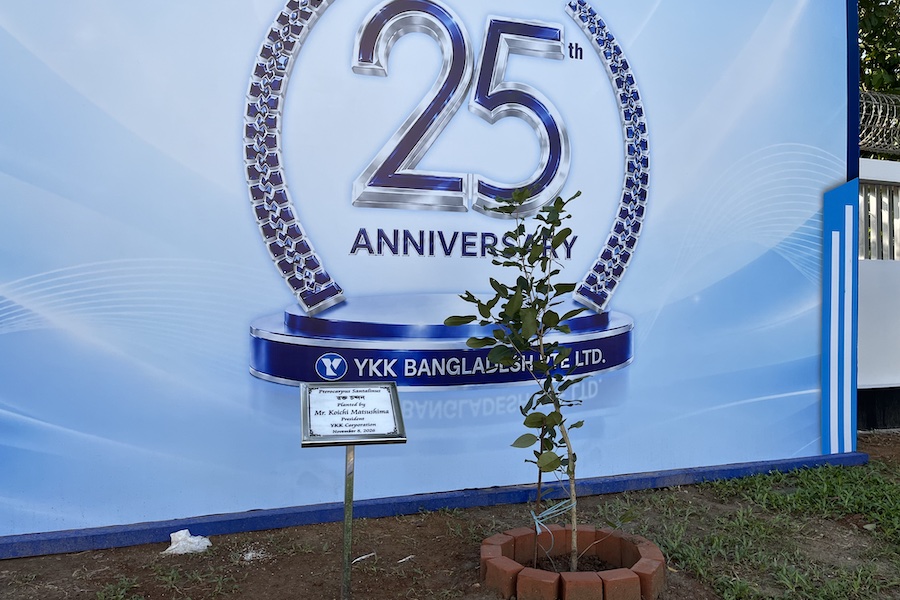
YKK Bangladesh celebrates 25 years of fastening production and business development

YKK Bangladesh Pte. Ltd., a subsidiary of Japanese fastening manufacturer YKK Corporation, has celebrated its 25th anniversary with a commemorative ceremony in Dhaka on November 8, 2026. Since its establishment in November 2000, the company has expanded its manufacturing capacity and business operations alongside the growth of Bangladesh's apparel industry.

#ITMA Asia + CITME 2026

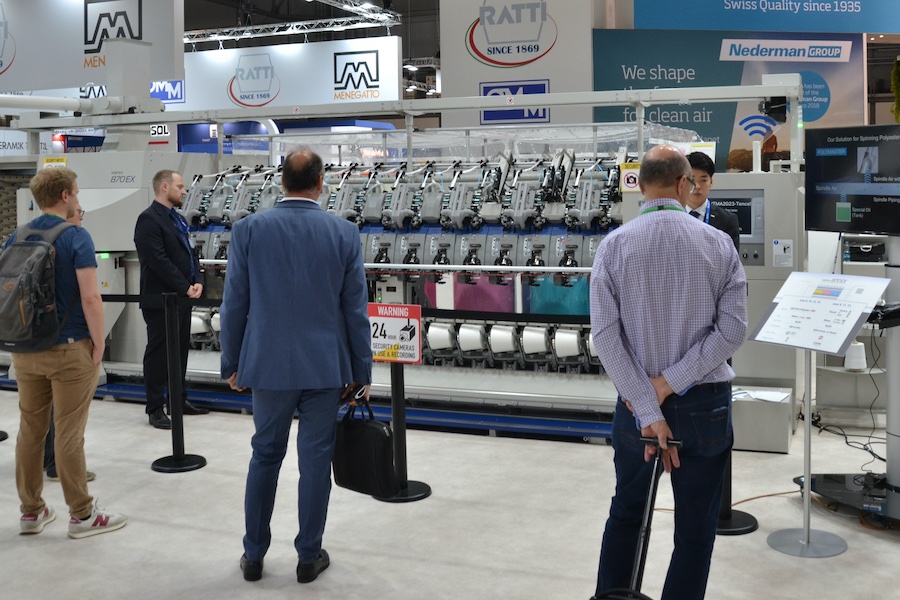
Murata Machinery to showcase AIcone winding and high-speed VORTEX spinning at ITMA ASIA 2026

Japanese textile machinery manufacturer Murata Machinery will present its PROCESS CONER AIcone automatic winder and VORTEX 870 EX spinning machine at ITMA ASIA + CITME 2026. Under the theme “Right Choice, Bright Future”, the company will highlight technologies for efficient yarn manufacturing, combining energy-saving winding solutions with high-speed air-jet spinning. Visitors can meet Murata Machinery in Hall 5, Booths E01 and E02.

#ITMA Asia + CITME 2026

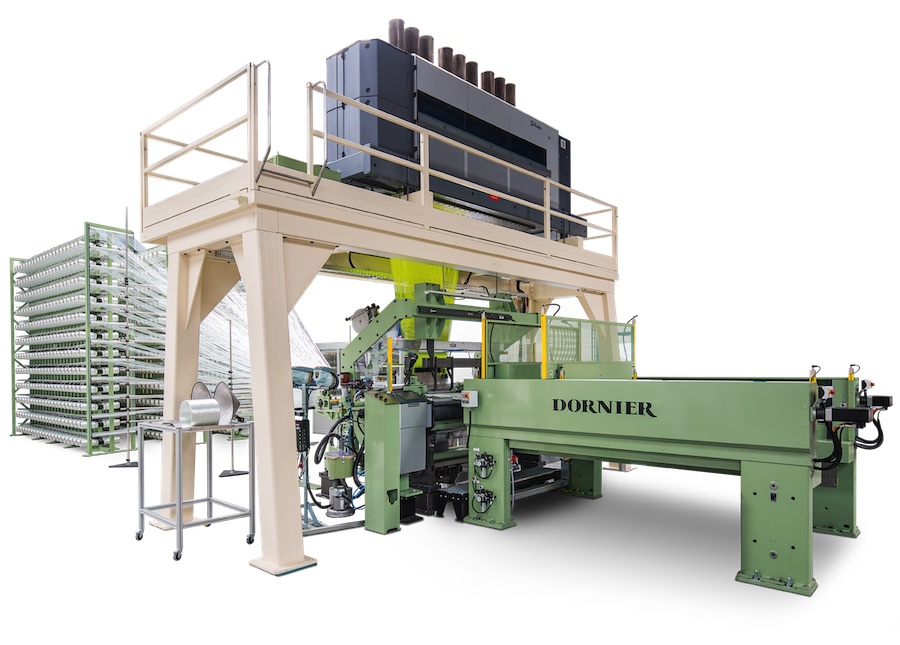
DORNIER highlights airbag, filtration and composite weaving technologies at ITMA ASIA 2026

Lindauer DORNIER will present its latest developments in air-jet and rapier weaving technology for technical textiles at ITMA ASIA + CITME 2026. The German machinery manufacturer will focus on the reliable and efficient production of airbag fabrics, high-density filters and reinforcement textiles for fibre-reinforced composites. Alongside its A2 air-jet and P2 rapier weaving machines, DORNIER will highlight its TRITOS FLEX technology for complex 3D composite preforms, retrofit solutions and expanded service capabilities in Asia. The company will exhibit in Hall 3, Stand E02.

#Retail & Brands

Marks & Spencer expands across Asia Pacific through partnership with Global Fashion Group

Marks & Spencer (M&S) and Global Fashion Group (GFG) have announced a strategic partnership to expand the British retailer's fashion business across Asia Pacific. M&S has launched on Southeast Asian fashion platform ZALORA and plans to enter THE ICONIC in Australia and New Zealand in early 2027. The agreement also introduces regional fulfilment for Australian M&S.com orders, enabling faster deliveries and returns while supporting a capital-light international growth strategy.

TOP