[pageLogInLogOut]

#Retail & Brands

PUMA reduces greenhouse gas emissions by 24% in 2023

(c) 2024 PUMA -
Sports company PUMA reduced its greenhouse gas emissions by 24% in 2023 compared to 2022, despite a strong sales growth.

This was made possible by its core suppliers doubling their use of renewable energy in 2023 compared to the previous year, increasing the use of less carbon intensive materials in its products, the introduction of low carbon shipment tariffs by PUMA’s logistics partner Maersk, by using renewable electricity or purchasing renewable energy certificates at its own operations and by investing in electric vehicles in its car fleet. Compared with the 2017 baseline, this means an absolute greenhouse gas emission reduction of 29%.

“We are very proud of the progress we have achieved on our sustainability journey in 2023, particularly when it comes to the reduction of greenhouse gases,” said Anne-Laure Descours, Chief Sourcing Officer at PUMA. “We will not stop there, however, and continue to execute our FOREVER.BETTER. sustainability strategy and our 10FOR25 targets.”

With an 85% reduction of own emissions and a 65% reduction of supply chain emissions relative to sales, PUMA achieved its first science-based greenhouse gas reduction target in 2023, seven years ahead of the target year 2030. PUMA’s new climate goals, which were approved by the Science Based Targets Initiative (SBTi), aim to reduce PUMA’s emissions by what scientists say is necessary to keep global warming below 1.5 degrees. By 2030, PUMA aims to reduce its absolute Scope 1 and 2 GHG emissions by 90% from a 2017 baseline year. The SBTi has classified PUMA Scope 1 and 2 targets as in line with a 1.5-degree trajectory. By 2030, PUMA also commits to reduce absolute Scope 3 GHG emissions from its supply chain and logistics by 33% compared to 2017.


Apart from increasing its climate ambitions, PUMA also made progress with its other 10FOR25 sustainability targets, reaching two out of ten targets ahead of schedule.

PUMA met its Plastics and the Oceans target by eliminating plastic carrier bags from its owned and operated stores and through researching biodegradable plastic options. An important part of this target was PUMA’s successful RE:SUEDE experiment, where it turned an experimental version of its classic Suede sneaker into compost under controlled industrial conditions. A commercial version will be launched in April 2024.

It also achieved its Human Rights target by training more than 220,000 factory workers on women’s empowerment and completely mapping subcontractors and Tier 2 suppliers for human rights risks. In addition, PUMA employees donated over 57,000 of community engagement hours.

Other progress included scaling up the use of recycled materials in 2023, producing 8 out of 10 products with a significant part of recycled or certified materials. Starting 2024, all* of PUMA’s replica football jerseys will be made using PUMA’s RE:FIBRE recycling technology which focuses on polyester textile waste as the primary source of material.

PUMA’s sustainability report is available at https://about.puma.com/en/sustainability/reporting

*excluding any locally sourced kits and replicas for Al Hilal, Galatasaray SK, Fenerbahce, Shakhtar Donetsk
More News from TEXDATA International

#Texprocess 2026

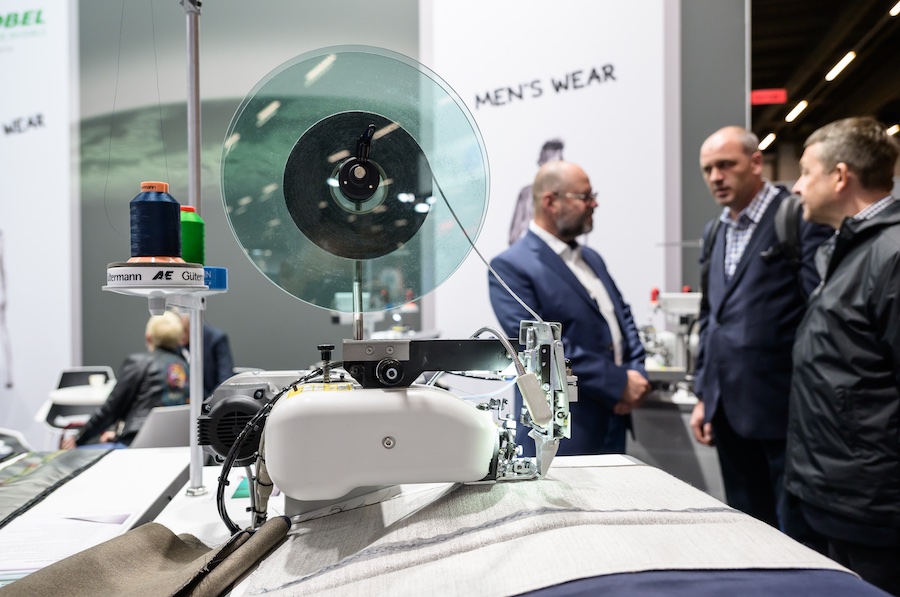
Texprocess 2026: Automation, digitalisation and AI redefine textile processing

Making investment decisions in textile processing has become significantly more demanding. Increasing energy costs, a shortage of skilled labour and ongoing geopolitical uncertainties are compelling companies to focus on technologies that deliver clear gains in efficiency and process reliability. This applies equally to apparel manufacturing and to the processing of technical textiles and high-performance materials. As a result, modernisation initiatives are assessed more carefully – even as the need to upgrade production systems continues to intensify.

#Techtextil 2026

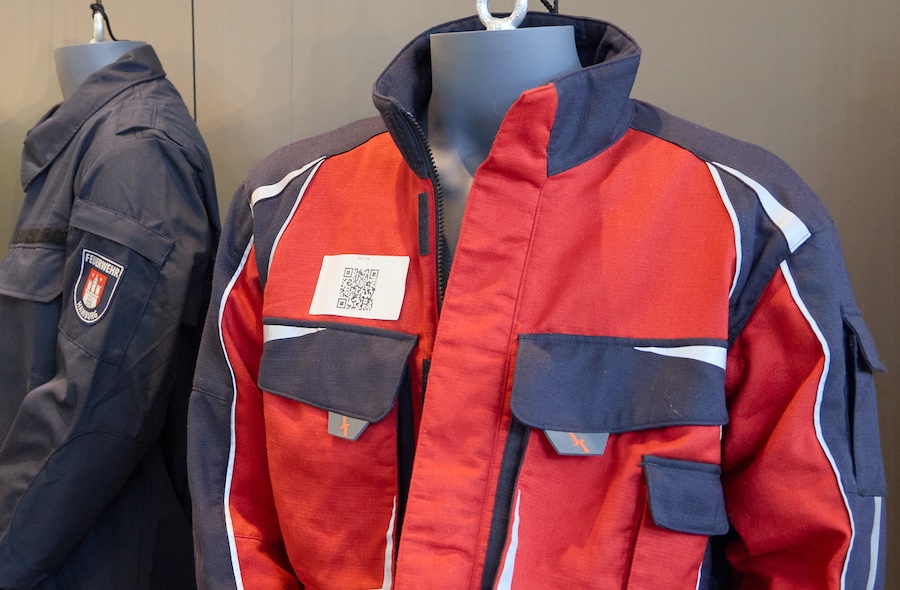
Techtextil 2026: Between innovation pressure & market reality

From 21 to 24 April 2026, Techtextil in Frankfurt am Main will once again become the central meeting point for the international technical textiles and nonwovens industry. Running in parallel, Texprocess will focus on the industrial implementation of textile processing technologies as the leading platform in this field. Together, the two trade fairs form a closely integrated presentation and working platform along the entire textile value chain – from material development to finished applications.

#Techtextil 2026

Between geopolitical pressure and industrial resilience

In this interview, Dr. Janpeter Horn (VDMA) discusses the current challenges facing textile machinery manufacturers, shaped by geopolitical tensions, regulatory developments and subdued investment. He also outlines why innovation strength, integrated solutions and strategic positioning remain key to global competitiveness.

#Texprocess 2026

Between investment restraint and modernization pressure

Texprocess 2026 takes place in a complex market environment shaped by uncertainty and innovation pressure. In this interview, Elgar Straub (VDMA) explains why the trade fair is particularly relevant this year and which technologies are driving efficiency and competitiveness.

More News on Retail & Brands

#Recycling / Circular Economy

Recover™ secures multi-year recycled cotton agreement with H&M

Recover™ has signed a multi-year agreement with H&M to support the integration of its recycled cotton fiber, RCotton, for use in H&M’s products. Since early 2024, H&M and Recover™ have collaborated on product development, which now enables scaled commercial introduction of Recover™ mechanically recycled cotton into H&M’s collections.

#Sustainability

GORE-TEX® KIDSWEAR launches innovative membership scheme for kids’ jackets

With its revolutionary new membership model, GORE-TEX® Kidswear now offers families a simple, flexible and sustainable way of kitting out their children in top-quality jackets. It is aimed at the parents of children aged between five and ten and kicks off with a choice of functional winter jackets.

#Sustainability

H&M Foundation funds pioneering initiative to build the factories of the future

The H&M Foundation is committing SEK 53 million (approx. EUR 5 million) towards Future Forward Factories, a five-year initiative led by Fashion for Good, to address fashion’s most polluting stage: tier 2 textile processing.

#Natural Fibers

Better Cotton Initiative marks World Cotton Day with launch of innovative product label

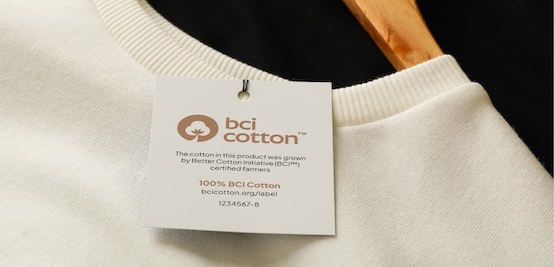
The Better Cotton Initiative (BCI) has launched an innovative product label for the fashion and textile sectors which allows retailer and brand members to provide consumers with greater clarity about the origin and percentage of BCI Cotton in their products.

Latest News

#INDEX 2026

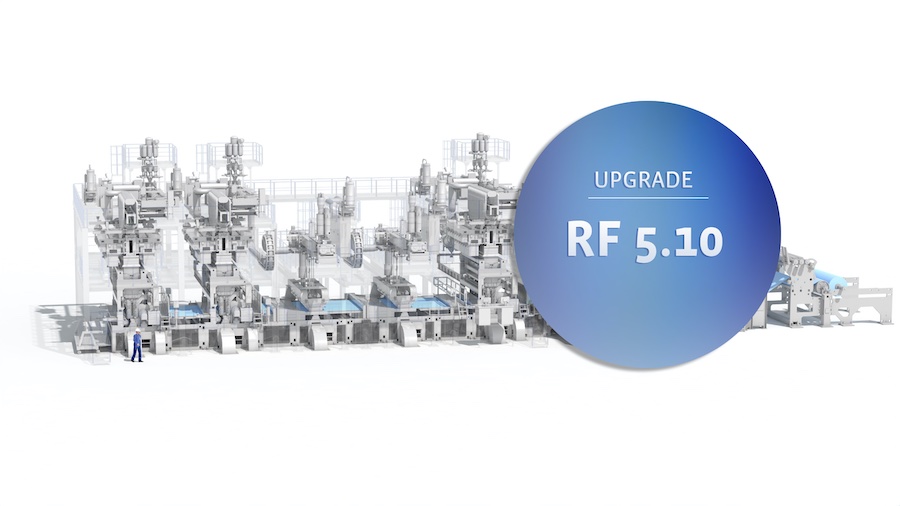
INDEX 2026: Reicofil introduces RF 5.10 upgrade boosting output by 10 percent

At INDEX 2026, Reifenhäuser Reicofil will present its latest developments for the nonwovens industry under the guiding themes “Grow Together”, “Expand Together” and “Transform Together”. On this occasion, the leading manufacturer of nonwoven machinery will be unveiling two brand-new technology advancements – RF 5.10 upgrade and RF Core – at the show.

#Recycled Fibers

Lindex and BASF partner to bring textile-­to­-textile recycled polyamide to lingerie sector

Lindex has partnered with BASF’s loopamid® to accelerate textile-­to-­textile recycling and advance the shift towards more circular material solutions in the fashion industry. Together they introduce loopamid to the lingerie sector.

#Dyeing, Drying, Finishing

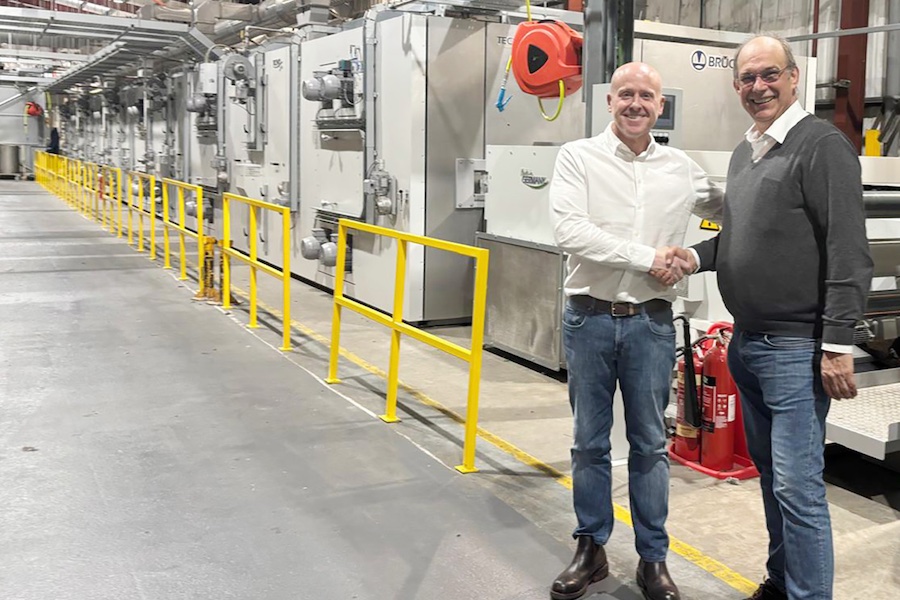
Tradition and Innovation – Phoenox Textiles Ltd. relies on state-of-the-art carpet back-coating line from Brückner

For more than 70 years, Phoenox Textiles Ltd. has been synonymous with quality, reliability, and inno-vation in the textile industry. Founded in 1954 in Huddersfield (Yorkshire, UK), a region with a long tradition in textiles, this family-owned business has continued to evolve without losing sight of its roots. Today, in its fourth generation under the leadership of the Mosley family, Phoenox successfully combines decades of experience with a clear, forward-looking corporate strategy.

#ITM 2026

Uster FiberQ excels for recycled raw materials too

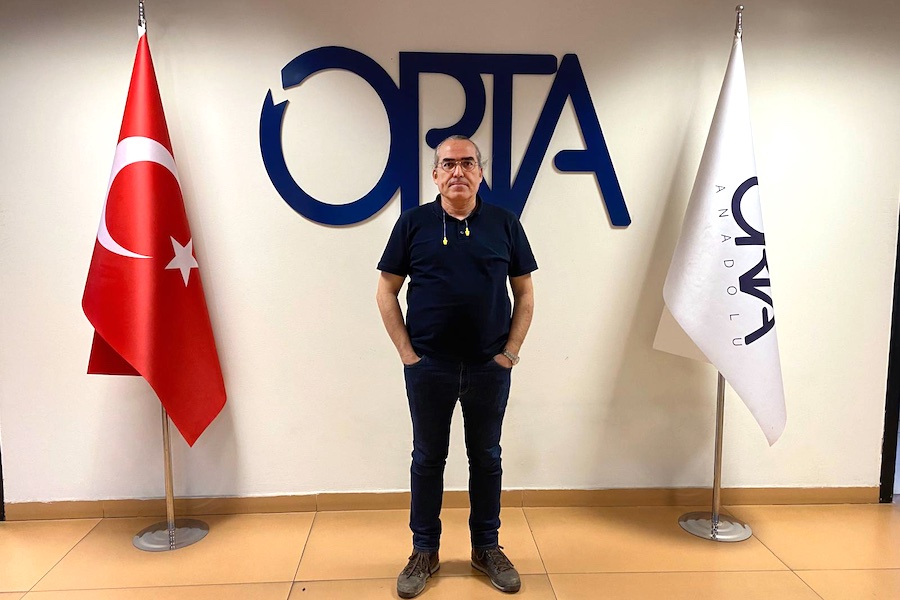
Uster FiberQ is a complete solution for raw material utilization, supporting spinners to achieve consistent quality and profitability every day, building further growth for the future. The Turkish company ORTA relies on FiberQ with recycled yarn for its denim production. Data-driven knowledge puts the producer in control of raw material utilization – ready to make the correct decisions for process efficiency, quality and productivity.

TOP