[pageLogInLogOut]

#Sustainability

Fashion for Good and Altmat to accelerate adoption of next-gen fibres through Altag® Fibre Club

Fashion for Good announces today a strategic partnership with Altmat, a pioneering materials science company transforming agricultural waste into high-value materials, to advance its innovative Fibre Club initiative. Altag® Fibre Club is designed to fast-track the commercial adoption of next-generation fi bres from agri-residue at scale, supporting the industry's transition toward circular materials.

The fashion industry faces a critical materials challenge: accounting for 91% of the industry’s total emissions and 30% of a product’s cost of goods sold (COGS), 1 materials are pivotal to achieving climate goals and long-term competitiveness. Yet, the path to replacing conventional fibres with next-generation alternatives is riddled with systemic barriers.

For brands, integrating next-generation materials presents signifi cant operational hurdles, from limited production capacity to premium pricing and complex sourcing logistics. Meanwhile, material innovators struggle with the capital-intensive scaling process, diffi culty securing consistent offtake commitments, and navigating a fragmented manufacturing infrastructure ill-equipped for novel inputs.

These mutual challenges create a systemic deadlock: despite signifi cant innovation in alternative materials, widespread commercial adoption remains elusive. Without structured collaboration frameworks that distribute risk and align incentives, the disconnect between promising innovations and commercial implementation continues to impede the industry's transition toward innovation.

To address the scaling challenges that have historically hindered material innovation adoption, Fashion for Good has partnered with AltMat through a collaborative framework that enables brands to pool resources and commit to minimum order quantities, thereby reducing fi nancial risk for both innovators and manufacturers.

The Altag® Fibre Club brings together a consortium of forward-thinking value supply chain partners — including Adalberto, Alok, Arvind, Bhaskar Denim, Jindal Textiles, Maharaja Shree Umaid Mills, Ltd, Positive Materials, Sambandam Spinning Mills Limited, Shahi Exports, Sutlej Textiles, Sweaters India and Industries Limited, and Vrijesh Natural Fibre & Fabrics (India) Pvt. Ltd. — to integrate AltMat's fi bres into mainstream production processes. This collaborative model, which builds on Fashion for Good's successful fi rst Fibre Club with textile-to-textile recycler Circ in 2024, in collaboration with Canopy, aims to overcome key barriers to adoption such as scalability, processing compatibility, and cost competitiveness. “Advancing the Fibre Club with Altmat marks a signifi cant step in scaling innovative materials with real commercial potential,” said Katrin Ley, Managing Director at Fashion for Good. “By connecting breakthrough innovators like Altmat with committed brand partners, we’re building the infrastructure and demand needed to bring next-gen materials to market faster and more effi ciently.”

“There’s no shortage of intent to adopt next-gen materials, but there is a lack of systems to actually make it happen. With the Altag® Fibre Club, we are closing that gap by connecting every link in the value chain, from farm to fi bre to fashion. We’re not just introducing a fi bre; we’re building the foundation for a new class of materials rooted in regeneration, resilience, and real-world scalability.” - Shikha Shah, CEO and Founder at AltMat.

Altag® Fibre Club will be launching at the Future Fabric Expo in London on 24-25 June 2025, and this marks an open call for interested brands to join in.

Read more about Fibre Club and Fashion for Good collaboration with Altmat at this link.

https://www.fashionforgood.com/case-study/fibre-club/

1 Fashion for Good & Boston Consulting Group. (2025, February). Scaling next-gen materials in fashion: An executive guide. 



More News from Fashion for Good

#Recycled_Fibers

Advancing the future of stretch: Fashion for Good launches new project to validate bio-based and recycled elastane

Launched today, Stretching Circularity is a collaborative project initiated by Fashion for Good dedicated to accelerating the adoption of lower-impact elastane alternatives that are compatible with circular textile systems. By validating bio-based and recycled elastane solutions through pilot-scale testing and demonstrator garments, the initiative aims to remove one of the most significant technical barriers to a circular textile economy.

#Recycling / Circular Economy

Fashion for Good releases open-source blueprint for near-net-zero textile manufacturing

Fashion for Good launches the first open-source blueprint for near-net-zero textile manufacturing, tackling one of fashion’s biggest emissions hotspots. Developed under the Future Forward Factory project, the blueprint offers Tier 2 manufacturers in India five practical, financially viable pathways to reduce carbon emissions by up to 93%.

#New Materials

From premiums to parity: How Fashion for Good is rewriting the economics of new materials

Fashion for Good launches Price Parity Toolkit: developed with support from Laudes Foundation, Canopy and Finance Earth, the framework introduces an innovative financing approach (premium decoupling) to remove price premiums from the supply chain and unlock faster adoption of lower-impact materials across the industry.

#Natural Fibers

Fashion For Good launches “Beyond50 Denim” to address hemp integration barriers in global denim production

Fashion for Good, together with leading global brands BESTSELLER, C&A, PDS Limited, Reformation, and Target, launched Beyond50 Denim: Combining Cottonised Hemp and Green Chemistry, a project accelerating the use of hemp as an alternative to conventional cotton in denim. By combining two pioneering innovations (SEFF’s Nano-Pulse™ cottonised hemp fibres and FIBRE52™’s proprietary chemistry formulations with soft handfeel), the project seeks to demonstrate that hemp-based denim can match or even surpass cotton in both performance and appeal.

More News on Sustainability

#Sustainability

Ying McGuire becomes new CEO of Cascale

Cascale today announced the appointment of Ying McGuire as Chief Executive Officer, effective June 1, 2026.

#Sustainability

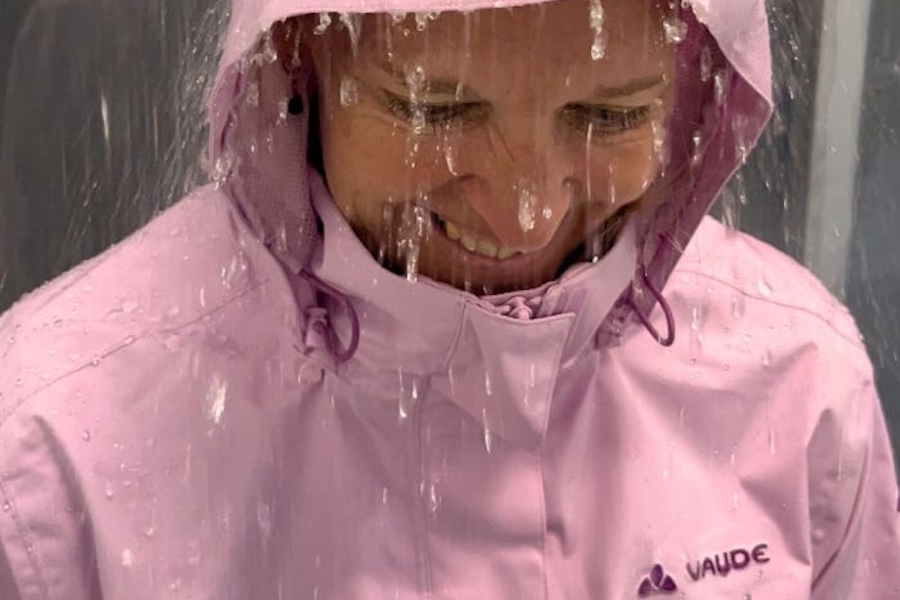
VAUDE eliminates PFAS from all products

PFAS (per- and polyfluoroalkyl substances) are now detectable worldwide – in drinking water, soil and the human body. These so-called “forever chemicals” are considered hazardous to health and potentially carcinogenic, as they do not break down and remain in the environment permanently. Despite these risks, PFAS are still used in a wide range of products. More than 15 years ago, VAUDE made a strategic decision to gradually eliminate PFAS from all product categories.

#Sustainability

OEKO-TEX® chooses TextileGenesis to advance digital traceability for organic cotton

OEKO-TEX® today announced a full collaboration with TextileGenesis, a Lectra company, to digitally trace and authenticate organic cotton, strengthening fraud prevention across the supply chain. This announcement follows a successful pilot and brings together OEKO-TEX®’s certification expertise and closed testing system with TextileGenesis’ digital traceability platform to deliver a secure, end-to-end solution for managing certified organic cotton flows.

#Europe

ICAC to support European Commission on pending PEF legislation

The International Cotton Advisory Committee (ICAC) is proud to announce that it has been included as a member of the European Commission’s Technical Advisory Board (TAB) on the Product Environmental Footprint methodology. The Commission developed the Product Environmental Footprint (PEF) to assess and communicate the life cycle environmental performance of products and organizations.

Latest News

#Recycling / Circular Economy

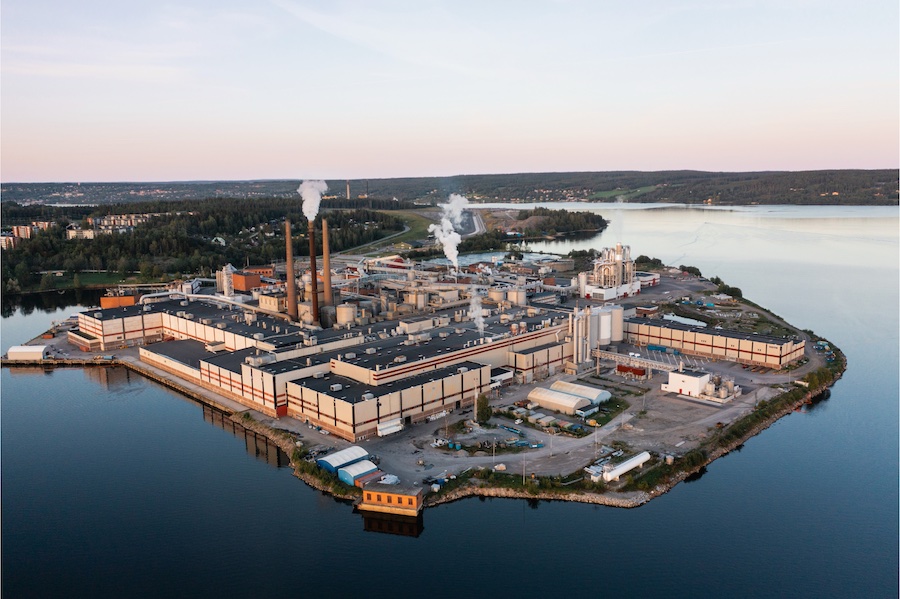
Circulose restarts commercial-scale production at Ortviken plant in Sundsvall

Circulose today announced the restart of its commercial-scale production plant at Ortviken in Sundsvall, Sweden, marking a significant step in scaling next-generation materials for the global fashion industry. The company plans to resume production of CIRCULOSE®, a recycled pulp made entirely from discarded cotton textiles, in the fourth quarter of 2026.

#Textiles & Apparel / Garment

VIATT 2026 to debut German Pavilion, strengthening European participation alongside key Asian textile hubs

Vietnam’s textile and garment sector continues to be a major contributor to the country’s economic growth, with export revenues expected to reach USD 46 billion in 2025, a 5.6% increase from 2024 . From 26 – 28 February, the Vietnam International Trade Fair for Apparel, Textiles and Textile Technologies (VIATT) is set to contribute to economic growth opportunities by accelerating digital transformation and green transition across the entire textile value chain. The upcoming edition will respond to the rising demand for advanced technologies and sustainable materials with the introduction of the German Pavilion, alongside strong exhibitor participation from key Asian sectors, as well as several high-profile fringe events.

#Technical Textiles

Sustainable, lightweight, and sound absorbing: Polyester-based front trunk solution for BEVs

As car manufacturers look to further reduce their carbon footprint, Autoneum has developed an innovative front trunk solution for battery electric vehicles (BEVs), made entirely from polyester-based textile. The Ultra-Silent Frunk offers significant weight reduction, improved acoustic and thermal insulation, and uses up to 70 percent recycled material, supporting sustainable and efficient vehicle design. Autoneum, global technology leader in acoustic and thermal management for vehicles, has already received orders for the new frunk from three major OEMs in Asia and Europe to be built in three BEV models. Series production for two BEVs has been underway in China and Germany since last year.

#Raw Materials

Modern testing methods for raw cotton

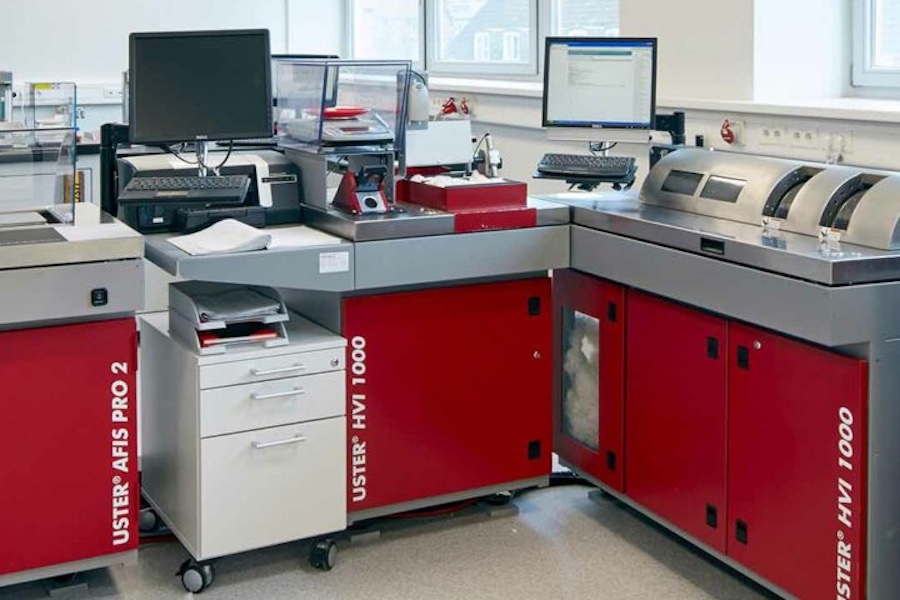
The 38th International Cotton Conference Bremen will take place from 25 to 27 March 2026 at the Bremen Parliament. This conference has traditionally stood for in-depth expertise and international exchange. The program will focus on technical innovations, market trends, and regulatory frameworks across the entire value chain – from agriculture to the circular economy. With high-profile speakers, the conference is regarded as the key meeting point for the global cotton industry. Today’s focus: Cotton quality and testing methods.

TOP