[pageLogInLogOut]

#Sustainability

Global Standards announce launch of a new textile processing standard
Tag for the Global Responsible Textile Standard (GRTS) © 2026 Global Standards
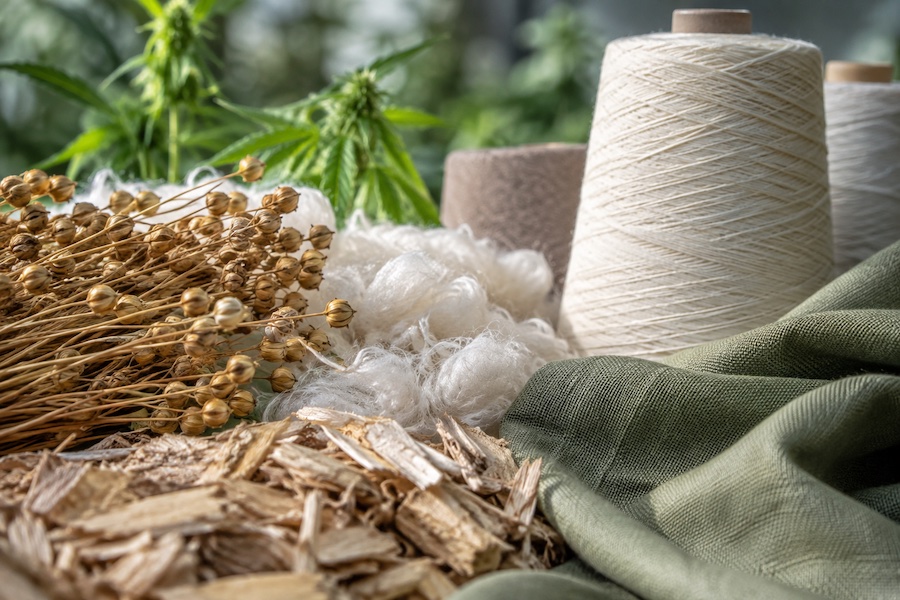
The 14th September 2026 marks the public launch of the Global Responsible Textile Standard (GRTS), a new standard for the processing of textiles made from fibres certified to third-party standards recognised by GRTS and covering a broad range of plant, animal, synthetic, man-made cellulosic and recycled fibres.


GRTS has been developed based on decades of experience from the established Global Organic Textile Standard (GOTS). Until now, products outside GOTS’ organic fibre eligibility criteria had no equivalent certification route within the Global Standards system. GRTS meets a growing industry demand for a textile processing standard that defines environmental and human rights criteria for the processing and physical traceability of a broader range of fibres.

Claudia Kersten, Managing Director of Global Standards, said: “Following our mission as a non-profit Voluntary Sustainability Standard setter, we aim to ensure the highest level of social and environmental impact in textile value chains. GRTS is a strategic and exciting step for us. By offering a standard that covers fibres beyond organic and building it on the same system as GOTS, we support the industry's business case for sustainability and enable more positive impact together."

Independent third-party certification and physical traceability

GRTS sets defined environmental, chemical, human rights, business conduct, due diligence and traceability requirements. For fibres to enter the GRTS system, they must be certified to third-party fibre standards recognised by GRTS and meet social, ecological and traceability criteria, including the prohibition of highly hazardous chemicals and GMOs, chain of custody with identity preservation and the inclusion of social norms in fibre production, among others.

Certification is carried out by accredited independent third-party bodies and is required at every stage of processing and trading. Chain-of-custody requirements, transaction certificates and volume reconciliation support the verification of certified fibre content throughout the supply chain.

To qualify for GRTS certification, goods must contain at least 90% fibres certified to fibre standards recognised by GRTS. For companies already certified to GOTS, existing systems and procedures may make it easy for them to apply for and receive certification to GRTS.

GRTS is fully operational, with 27 independent certification bodies accredited to certify against the standard.
The new GRTS standard 


More News from Global Standard (GOTS)

#Sustainability

GOTS releases Version 8.1 with clarifications and editorial updates

Global Standard has released Version 8.1 of the Global Organic Textile Standard (GOTS), following the publication of Version 8.0 in March 2026.

#Sustainability

Global Standards establishes new non-profit foundation to strengthen governance

Global Standards gGmbH, the nonprofit organisation behind the globally recognised Global Organic Textile Standard (GOTS), announced a new governance structure designed to support its long-term mission and reinforce organisational autonomy of its Voluntary Sustainability Standards and programmes.

#Sustainability

Number of GOTS-certified facilities grow 15% globally as demand for credible sustainability standards continues to strengthen

Global Organic Textile Standard (GOTS) certification continued to grow in 2025, with nearly 18,000 certified facilities worldwide, despite ongoing geopolitical uncertainty and rapidly evolving regulatory requirements across global textile supply chains.

#Natural Fibers

Global Standard gGmbH launches second public consultation for GRTS Draft 2 for the textile industry (1–30 April 2026)

Global Standard gGmbH is pleased to announce the release of Draft 2 of the Global Responsible Textile Standard (GRTS) for its second public consultation. The consultation will be open from 1 April 2026 to 30 April 2026, inviting stakeholders across the textile and apparel value chain to provide input and contribute to the further development of this new Standard.

More News on Sustainability

#Associations

ITMF names three winners of the Sustainability & Innovation Award 2026

Three projects from the UK, Korea and China have been selected as winners of the ITMF Sustainability & Innovation Award 2026. The projects address textile-to-textile recycling, chemical recycling for automotive textiles and a regenerative approach combining silk production with ecological restoration.

#Europe

Textile ETP launches bioeconomy strategy for Europe’s textile industry

On 22 September 2026, Textile ETP's Circular & Biobased Textiles Innovation Hub published its strategy for the biobased and circular transformation of Europe's textile and apparel industry.

#Research & Development

180 years of TESTEX: From Zurich silk testing to global certification

For 180 years, TESTEX has developed alongside the textile industry while maintaining the same underlying purpose: creating trust through independent and reliable measurement. Founded in Zurich in 1846 as the Zurich Silk Conditioning Institute, TESTEX has grown from a local institution serving the silk trade into an international Swiss testing and certification institute for textiles and leather.

#Sustainability

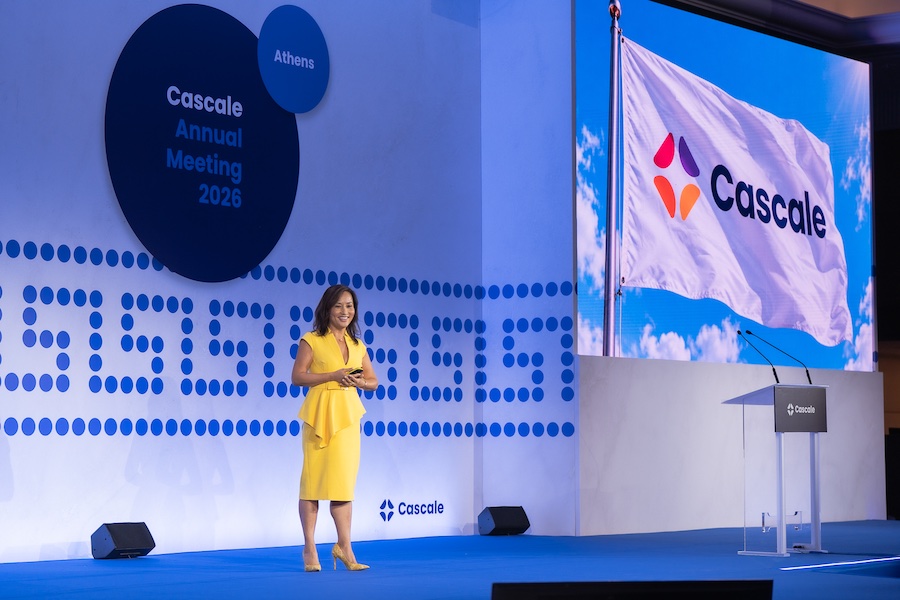
Cascale launches member-led process to shape 2030 strategy

Cascale has launched a member-led process to define the industry alliance’s strategic direction for the next decade. At the Cascale Annual Meeting 2026 in Athens, CEO Ying McGuire announced that members will contribute to an industry system map that will inform Cascale’s 10-year vision, its 2030 strategy and priorities for 2027. The new strategy is scheduled to be finalized in December.

Latest News

#Knitting & Hosiery

KARL MAYER invites the Global Textile Industry to celebrate its 90th anniversary at its German Headquarters in 2027

KARL MAYER is turning its anniversary year 2027 into a milestone for the textile sector. To mark its 90th anniversary, the industry leader is inviting customers, partners, and experts from around the world to a unique event series in September aimed at pushing boundaries, unlocking new opportunities, and jointly setting the course for a new era in textiles – just as KARL MAYER has done throughout its history. The company’s headquarters in Obertshausen, near Frankfurt, is the place to be.

#Recycling / Circular Economy

nova-Institute launches groundbreaking Advanced Recycling Database for strategic market insight

The new Advanced Recycling Database reduces complexity by providing industry stakeholders with up-to-date expert-reviewed intelligence on companies, technologies, plants, capacities, locations, products and partnerships across the global advanced recycling landscape.

#Yarns

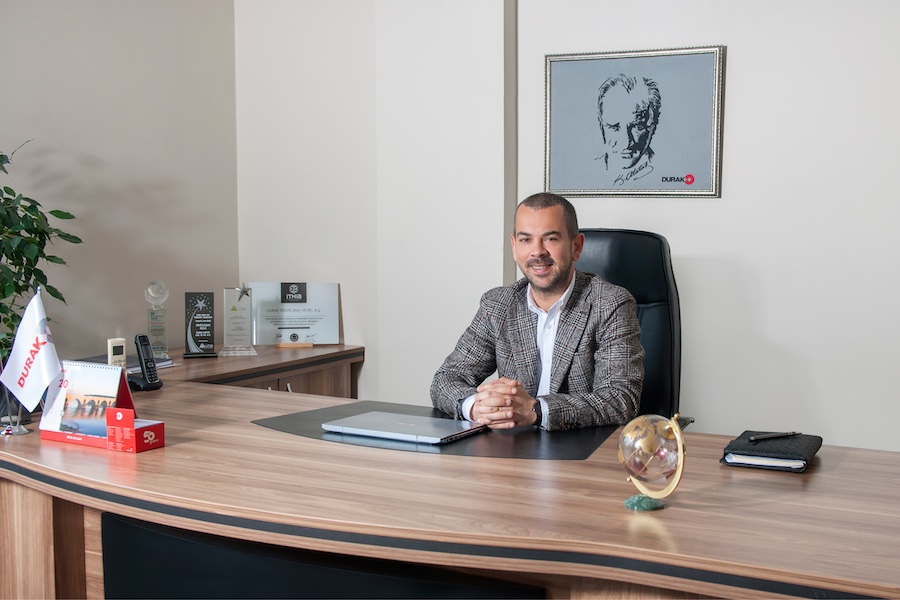
Durak Maxibalance thread supports users’ movement and balance comfort

Durak Tekstil, a leading brand in its industry, has developed Durak Maxibalance, a new product engineered with bio-ceramic and FAR IR technology. Ushering in a new era for sportswear, activewear, and medical textiles, this technology offers features designed to support balance and movement comfort by reflecting the energy absorbed from the body back into it.

#Yarns

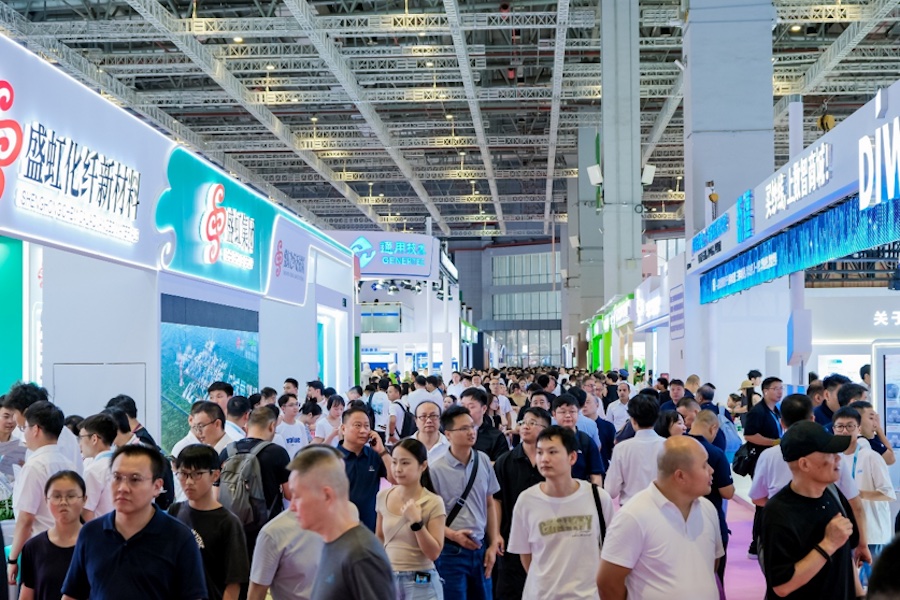
Yarn Expo Autumn 2026 draws to a close, weaving sustainable innovation into global sourcing

Yarn Expo Autumn 2026 concluded with approximately 600 exhibitors from 14 countries and regions, connecting with nearly 22,000 visitors from 110 represented markets, bringing the textile industry’s evolving material agenda into sharper focus. Held alongside Intertextile Shanghai Apparel Fabrics – Autumn Edition, CHIC and PH Value, the fair connected upstream fibre and yarn innovation with fabric development, garment production and fashion-market demand.

TOP