[pageLogInLogOut]

#Sustainability

The first widely accessible Life Cycle Assessment study for cashmere production published by Textile Exchange.

Crucial new data to better understand, measure, and address the impacts of cashmere production has been made available to the fashion, textile, and apparel industry through a new Life Cycle Assessment (LCA) published by Textile Exchange.

The first widely accessible cashmere LCA study delivers robust, harmonized datasets from the world’s top two cashmere production countries, with data collected directly from 170 herders and farmers for both farmed and nomadic grazing systems.

Like the other LCA studies released by Textile Exchange, the cashmere LCA study takes an LCA+ approach, including additional impact areas relevant to a specific material or fiber. For the cashmere LCA study, soil health was investigated and a separate social assessment examined community, livelihood, and human rights impacts.

The study’s publication marks a significant step in closing longstanding data gaps for cashmere in the industry, with previous benchmarking and modeling often depending on proxy data from other animal fibers.

By identifying major impact hotspots, the study also helps organizations prioritize investment and interventions where they are likely to have the greatest impact.

Beth Jensen, Chief Impact Officer at Textile Exchange, said: “The fashion, apparel, and textile industry’s need for high-quality data has never been greater. We believe the release of this study is a pivotal moment in helping to enable a clearer understanding of the impacts and opportunities related to cashmere production, supporting informed decision-making and targeted, coordinated action among brands, suppliers, and producers.”

Anna Heaton, Lead, Animal Materials at Textile Exchange, said: “Previous analysis of the impacts of cashmere production often relied on proxy data from other animal fibers. These proxies failed to capture key differences in cashmere production, such as variations in fiber-to-meat and milk ratios, which significantly influence environmental impact.

This LCA study changes that, providing up to date harmonized datasets specific to cashmere for the first time. Through industry databases, the data will be made widely available and accessible to help establish a much clearer picture of the impacts of cashmere production.”

Read the summary of the Textile Exchange cashmere LCA study

Summary of the Textile Exchange cashmere LCA study


More News from Textile Exchange

#Man-Made Fibers

Textile Exchange: reporting companies advance on preferred materials as global fiber production reaches new high

Companies participating in Textile Exchange’s Materials Benchmark increased their use of materials from preferred production systems in 2025, while global fiber production continued to grow and reached a record 139 million tonnes. The contrasting trends highlight both the potential for change at company level and the scale of the challenge facing the wider textile industry.

#Sustainability

Action Cohort: Textile Exchange’s new initiative designed to help scale preferred production systems

Textile Exchange has published new guidance to help brands and retailers participating in its Action Cohort prepare for upcoming reporting and target-setting requirements. Earlier this year, the organization evolved its membership to create more action-oriented pathways, designed to accelerate progress toward scaling preferred production systems that create beneficial impacts and resilient supply chains and livelihoods.

#Sustainability

New guidance to help organizations deliver the Material Matter Standard’s human rights commitments

Textile Exchange has published new guidance and tools to help organizations better understand and implement the human rights and livelihoods requirements of the forthcoming Materials Matter Standard.

#Sustainability

Textile Exchange reports growth in certifications and industry engagement

Textile Exchange has published its 2025 Annual Report, highlighting continued growth in certified sites, industry participation and the development of its standards and membership structure. According to the report, more than 100,000 sites worldwide are now certified to Textile Exchange standards, more than three times the number recorded in 2020. Preliminary figures also indicate 12% year-on-year growth across the organization's current standards, including the Global Recycled Standard (GRS), Recycled Claim Standard (RCS) and the Responsible Animal Fiber standards.

More News on Sustainability

#Associations

ITMF names three winners of the Sustainability & Innovation Award 2026

Three projects from the UK, Korea and China have been selected as winners of the ITMF Sustainability & Innovation Award 2026. The projects address textile-to-textile recycling, chemical recycling for automotive textiles and a regenerative approach combining silk production with ecological restoration.

#Europe

Textile ETP launches bioeconomy strategy for Europe’s textile industry

On 22 September 2026, Textile ETP's Circular & Biobased Textiles Innovation Hub published its strategy for the biobased and circular transformation of Europe's textile and apparel industry.

#Research & Development

180 years of TESTEX: From Zurich silk testing to global certification

For 180 years, TESTEX has developed alongside the textile industry while maintaining the same underlying purpose: creating trust through independent and reliable measurement. Founded in Zurich in 1846 as the Zurich Silk Conditioning Institute, TESTEX has grown from a local institution serving the silk trade into an international Swiss testing and certification institute for textiles and leather.

#Sustainability

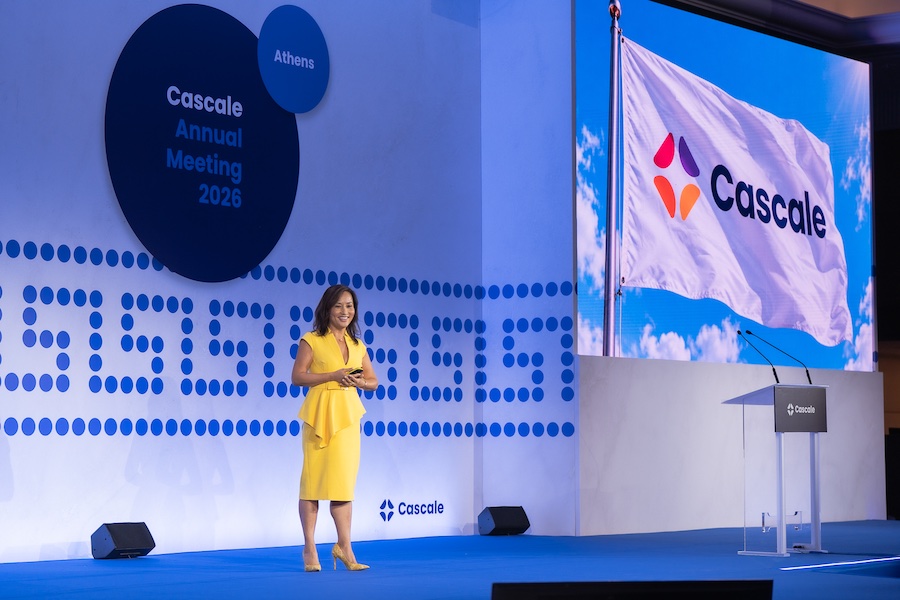
Cascale launches member-led process to shape 2030 strategy

Cascale has launched a member-led process to define the industry alliance’s strategic direction for the next decade. At the Cascale Annual Meeting 2026 in Athens, CEO Ying McGuire announced that members will contribute to an industry system map that will inform Cascale’s 10-year vision, its 2030 strategy and priorities for 2027. The new strategy is scheduled to be finalized in December.

Latest News

#Knitting & Hosiery

KARL MAYER invites the Global Textile Industry to celebrate its 90th anniversary at its German Headquarters in 2027

KARL MAYER is turning its anniversary year 2027 into a milestone for the textile sector. To mark its 90th anniversary, the industry leader is inviting customers, partners, and experts from around the world to a unique event series in September aimed at pushing boundaries, unlocking new opportunities, and jointly setting the course for a new era in textiles – just as KARL MAYER has done throughout its history. The company’s headquarters in Obertshausen, near Frankfurt, is the place to be.

#Recycling / Circular Economy

nova-Institute launches groundbreaking Advanced Recycling Database for strategic market insight

The new Advanced Recycling Database reduces complexity by providing industry stakeholders with up-to-date expert-reviewed intelligence on companies, technologies, plants, capacities, locations, products and partnerships across the global advanced recycling landscape.

#Yarns

Durak Maxibalance thread supports users’ movement and balance comfort

Durak Tekstil, a leading brand in its industry, has developed Durak Maxibalance, a new product engineered with bio-ceramic and FAR IR technology. Ushering in a new era for sportswear, activewear, and medical textiles, this technology offers features designed to support balance and movement comfort by reflecting the energy absorbed from the body back into it.

#Yarns

Yarn Expo Autumn 2026 draws to a close, weaving sustainable innovation into global sourcing

Yarn Expo Autumn 2026 concluded with approximately 600 exhibitors from 14 countries and regions, connecting with nearly 22,000 visitors from 110 represented markets, bringing the textile industry’s evolving material agenda into sharper focus. Held alongside Intertextile Shanghai Apparel Fabrics – Autumn Edition, CHIC and PH Value, the fair connected upstream fibre and yarn innovation with fabric development, garment production and fashion-market demand.

TOP