[pageLogInLogOut]

#Research & Development

First "Korea Day" at RWTH Aachen attracts more than 300 participants
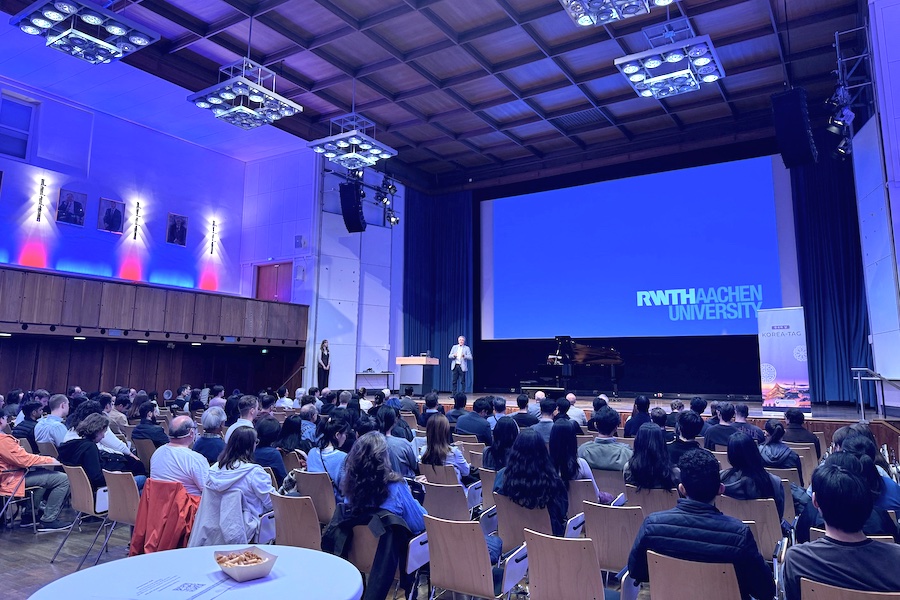
Prof. Dr. Thomas Gries, RWTH Aachen University's delegate for cooperation with Korea, welcomes participants to the first Korea Day in Aachen on 10 October 2026. © Institut für Textiltechnik (ITA) of RWTH Aachen University
The inaugural Korea Day in Aachen brought together representatives from science, business and Korean institutions to strengthen German-Korean cooperation in research, technology and education. The Institut für Textiltechnik (ITA) of RWTH Aachen University was among the participating organisations.


More than 300 guests attended the first Korea Day in Aachen on 10 October 2026. Organised by the Bonn office of the Embassy of the Republic of Korea and RWTH Aachen University, the event combined scientific and economic exchange with a programme highlighting Korean culture.

The initiative aimed to strengthen cooperation between universities, businesses and Korean institutions while increasing awareness of the existing relationships between the Aachen region and South Korea.

These connections include the partnership between Städteregion Aachen and the South Korean city of Ansan, which has developed through cooperation in science, business and technology.

Byun Chul-Hwan, Head of the Bonn Office of the Embassy of the Republic of Korea, emphasised the importance of the event: “Korea Day provides a valuable opportunity to experience the growing cooperation between Korea and Germany here in Aachen.”

Prof. Dr. Thomas Gries, RWTH Aachen's delegate for cooperation with Korea, highlighted the opportunities for further collaboration: “As one of Europe’s leading research universities, we see great potential in deepening cooperation with Korean partners—both in teaching and in innovative research projects.”

Research cooperation and international networking

Under the motto “Next Stop Korea”, the programme featured presentations on academic exchange, international cooperation and business opportunities.

RWTH alumni shared their experiences in South Korea, while the university's International Office introduced programmes supporting international mobility and cooperation. AGIT presented examples of successful corporate collaborations.

A panel discussion entitled “Germany and Korea – Partnerships for Innovation” explored current projects and future opportunities for cooperation between German and Korean research institutions and businesses.

The event also provided networking opportunities with participating organisations, including the Korea Germany Technology Cooperation Center (KGTCC) and the Institut für Textiltechnik (ITA) of RWTH Aachen University.

Cultural programme complements scientific exchange

Alongside the conference programme, visitors experienced different aspects of Korean culture.

Mezzo-soprano Ji Young Mennekes performed traditional congratulatory songs, while Town-K Dance Studio presented a K-pop dance performance.

Other activities included a Hanbok photo station, Korean calligraphy, gaming and Korean cuisine.
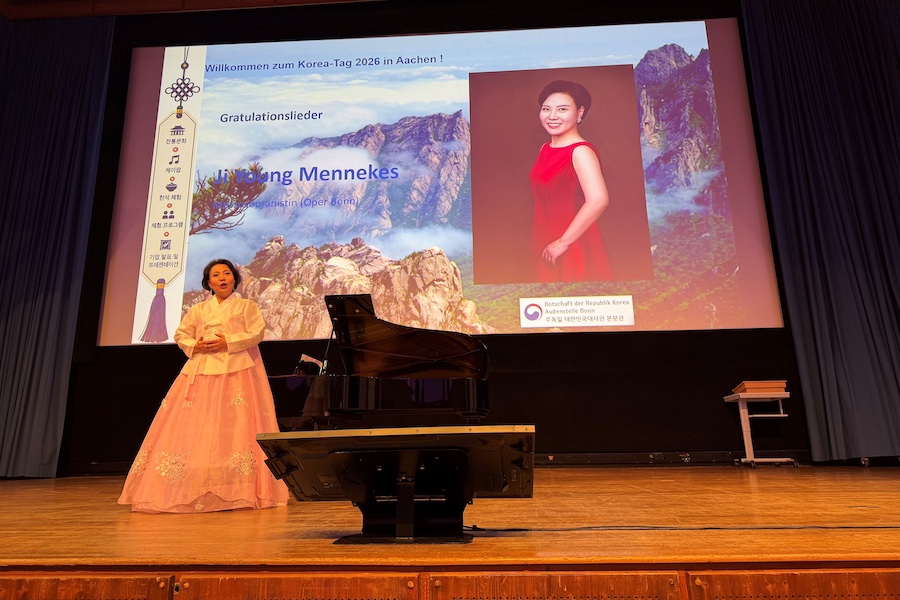
Mezzo-soprano Ji Young Mennekes performs during the cultural programme of the first Korea Day in Aachen, which attracted more than 300 participants. Photos: Institut für Textiltechnik (ITA) of RWTH Aachen University © 2026


RWTH Aachen plans to continue Korea Day

Following the positive response to the inaugural event, RWTH Aachen plans to repeat Korea Day in a similar format. The event is intended to build on existing partnerships between Aachen and South Korea and provide a continuing platform for cooperation in research, education, technology and business.
More News from Institut für Textiltechnik of RWTH Aachen University (ITA)

#Research & Development

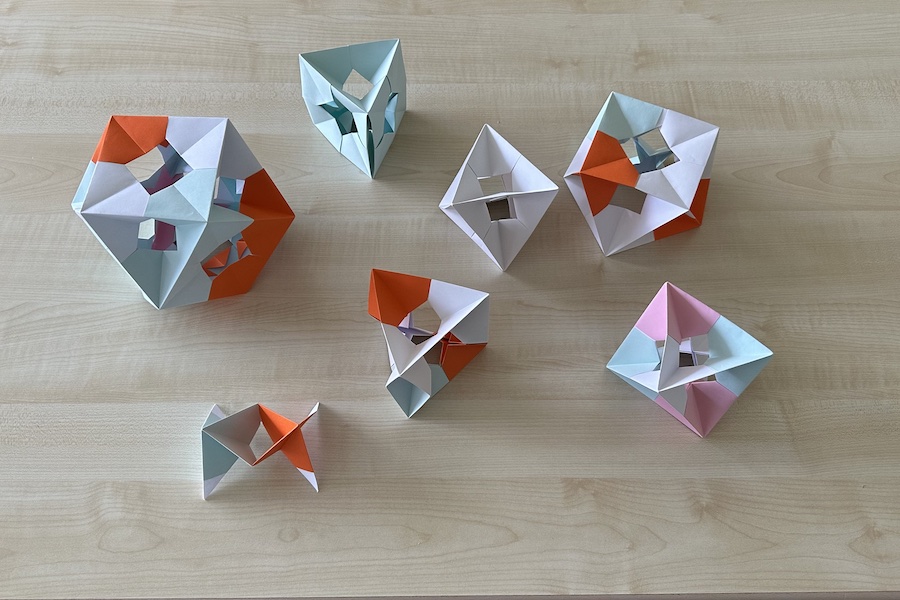
Aachen Summer School: Textiles become smart through 3D printing and origami

From 21 to 29 September 2026, the Aachen Summer School will transform Institut für Textiltechnik (ITA) of RWTH Aachen University into a laboratory of the future: over the course of a week, students will use origami folding techniques and 3D printing to develop active textile structures capable of performing programmable movements. This interdisciplinary event combines theoretical foundations with practical prototyping – from digital modelling right through to functional textile prototypes.

#Research & Development

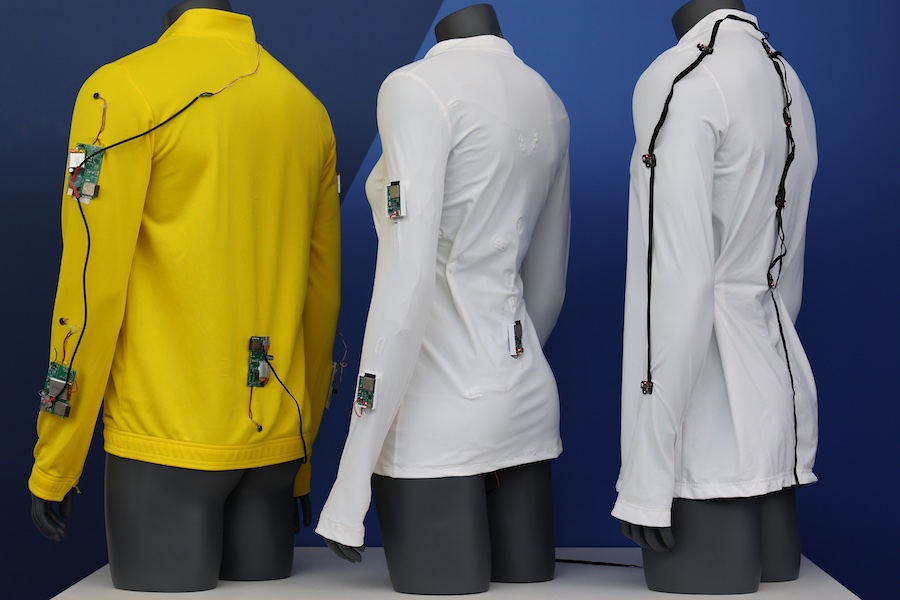
ITA has developed a washable digital smart jacket with real-time feedback and an AI-powered app for rehabilitation

As part of the PhysioTaix research project, the Institut für Textiltechnik (ITA) of RWTH Aachen University is developing a digital smart jacket with integrated sensors. The jacket is washable and reusable; it tracks movements during rehabilitation exercises in real time and transmits the data to an app.

#Recycling / Circular Economy

2. RETRAKT EU Conference - „Join the Circle“: Turning challenges of the textile sector into chances

On 19 November 2026, the second RETRAKT EU Conference – “Join the Circle” will take place in Brussels. The event, which focuses on the transformation of the textile sector towards a circular economy, will be held under the motto: “Turning Challenges in the Textile Sector into Chances.”

#Research & Development

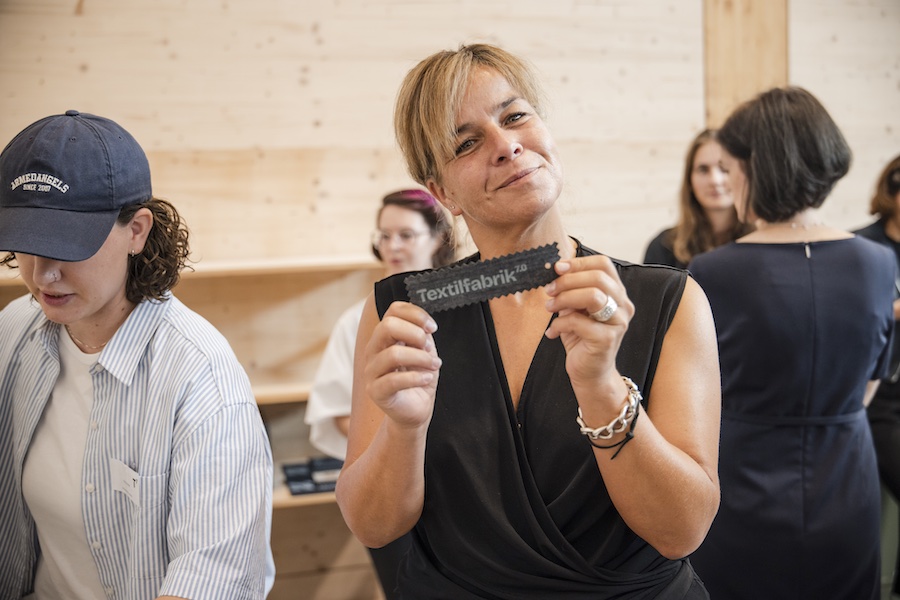
From smart jackets to laser technology: Mona Neubaur explores Textile Factory 7.0

As part of her summer tour, North Rhine-Westphalia’s Minister for Economic Affairs and Climate Action, Mona Neubaur, visited Textilfabrik 7.0 in Mönchengladbach to experience the project’s innovations first-hand. Under the motto “smart and clean”, the visit focused on innovative technologies and sustainable alternatives for textile production - from smart jackets to the decolourisation of textiles using fungal cultures.

More News on Research & Development

#Research & Development

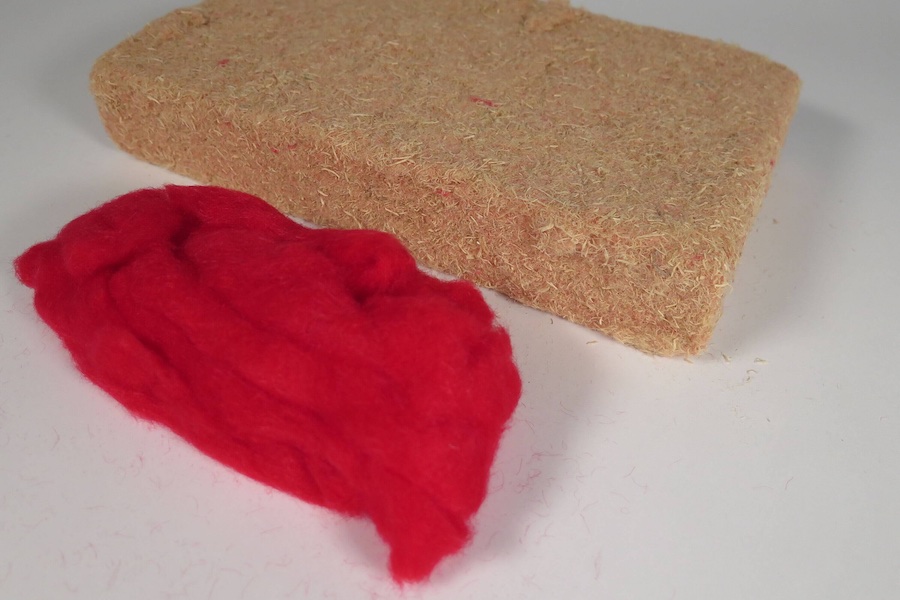
DITF develops bio-based binding fibers for wood-fiber insulation materials

As part of the CelluWoodFlex project, the German Institutes of Textile- and Fiber-Research in Denkendorf (DITF) are developing bio-based cellulose ester fibers as alternative binding fibers for flexible wood fiber insulation materials. In addition to the spinning process and the production of suitable staple fibers, the institute is also investigating how wood and cellulose fibers can be separated and recycled at the end of their useful life.

#Research & Development

POLYMERS-5B develops high-performance bio-based polyesters from agricultural waste

The European research project POLYMERS-5B is developing an integrated enzymatic biorefinery to convert agricultural by-products from Mediterranean food production into valuable raw materials for the food, cosmetics and bio-based plastics industries. Using tomato and olive pomace as feedstock, the process aims to recover several product groups from the same biomass stream. The consortium will present its latest technical developments and market findings at Ecomondo 2026 in Rimini on 3 November.

#Research & Development

STFI showcases new Textile LAB Professional with focus on climate protection and sustainable technologies

The Sächsisches Textilforschungsinstitut e. V. (STFI) in Chemnitz is organising a themed day on 3 December 2026, focusing on climate protection and the environment. As well as showcasing current applications for green cities and natural fibres for lightweight construction, the event will feature machine demonstrations in the new Textile LAB Professional. Under the motto ‘Design meets Technology’, this networking event will also provide an insight into artistic student projects, thereby facilitating a professional exchange on creative perspectives and modern technologies for climate protection and the environment.

#Research & Development

25 years of medical devices: ITVP combines experience with innovation

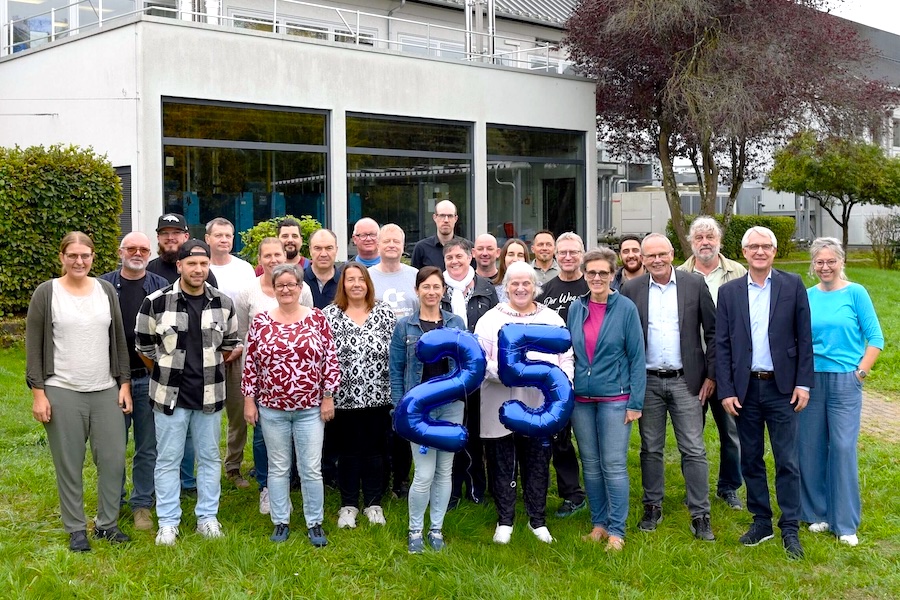
ITV Denkendorf Produktservice GmbH (ITVP) is celebrating its 25th anniversary. On October 1, 2001, ITVP was founded as a subsidiary of the German Institutes of Textile and Fiber Research Denkendorf (DITF), Europe’s largest textile research center. This spin-off company made it possible to consolidate expertise in medical technology and significantly expand production, which had previously been initiated mostly in the DITF’s cleanrooms.

Latest News

#India ITME 2026

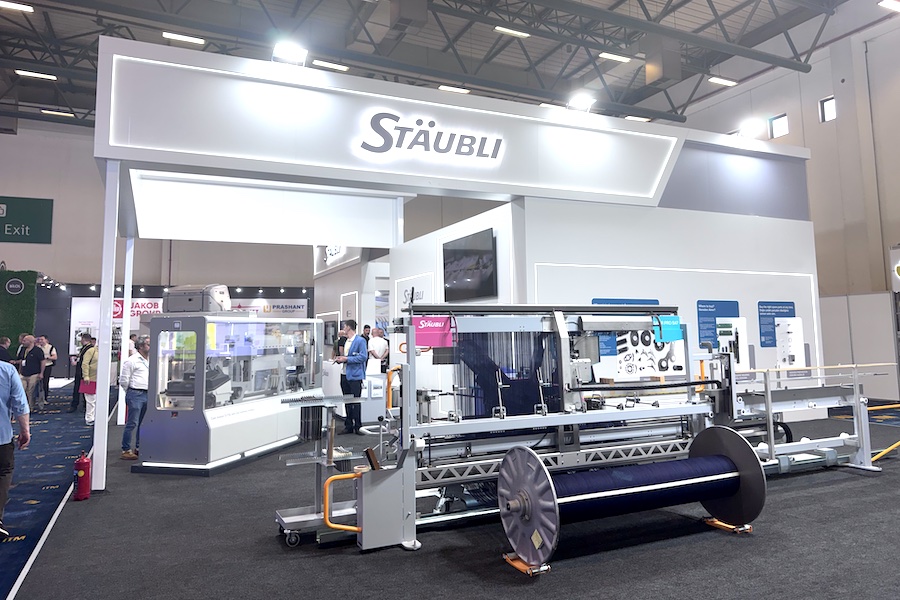
Stäubli to introduce new S3292 dobby for high-speed weaving at ITME India 2026

Stäubli will introduce its new S3292 dobby at ITME India 2026, taking place from December 4 to 9 at the India Expo Centre & Mart in Greater Noida, Uttar Pradesh. Designed for high-speed air-jet weaving, the new machine will be among the highlights of the company's presentation, which also includes warp preparation systems, cam motions, Jacquard technologies and digital services.

#Recycled Fibers

Reju expands textile-to-textile recycling network with six international fabric manufacturers

Reju, a textile-to-textile regeneration company, is expanding its industrial network through collaborations with six fabric manufacturers in Europe and the Americas. The initiative aims to accelerate the integration of regenerated polyester into textile manufacturing and support the development of finished fabrics for commercial applications.

#Nonwovens

Magnera highlights HighPleat™ filtration media technology at FiltXPO 2026

At FiltXPO 2026, held on October 28–29 at the Minneapolis Convention Center in Minneapolis, Minnesota, Magnera highlighted advances in air filtration media architecture, with a particular focus on its HighPleat™ platform for MERV 8–10 applications. The technology combines a lofted fiber structure with optimized pore architecture to address the challenge of balancing filtration efficiency, airflow resistance and contaminant-holding capacity.

#Nonwovens

Ahlstrom expands depth filtration media production capacity at US facility

Ahlstrom has completed a major investment in its Kingston manufacturing facility in New York, USA, expanding production capacity for high-performance depth filtration media. The modernization of Line 3 is designed to improve manufacturing efficiency, enhance quality control and increase flexibility in producing different product widths.

TOP